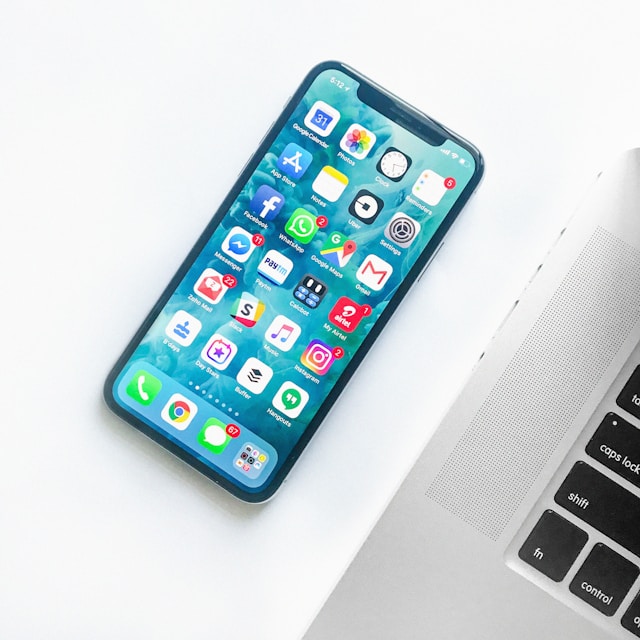
Quick answer: Building a successful iOS app in Singapore depends on choices made before a single line of code is written—including hiring the right development partner, defining a clear MVP scope, budgeting realistically, and planning for App Store compliance. Companies that treat these as strategic decisions, not afterthoughts, launch faster and see stronger user retention.
Singapore has become one of Southeast Asia’s most competitive markets for mobile innovation. With a smartphone penetration rate exceeding 90% and a tech-savvy population willing to pay for quality digital experiences, the opportunity for a well-built iOS app is substantial. But opportunity alone doesn’t guarantee results.
Many founders and product teams assume that success comes down to a good idea and a talented developer. In reality, the outcome of an iOS app project is shaped by a series of decisions made long before launch day—decisions about who builds it, how it’s scoped, what it costs, and how it’s maintained. Get these wrong, and even a brilliant concept can stall in development or flop after release.
This guide breaks down eight decisions that consistently separate successful iOS apps from the ones that never gain traction, with a specific focus on what it means to build for the Singapore market.
1. How do you choose the right iOS app development company in Singapore?
Selecting a development partner is arguably the single most consequential decision in the entire process. Singapore’s tech ecosystem includes everything from large enterprise consultancies to boutique studios and freelance developers, and each comes with different trade-offs in cost, communication, and technical depth.
When evaluating potential partners, look beyond their portfolio and ask:
- Do they have direct experience with Swift and SwiftUI, Apple’s current development standards?
- Can they show evidence of apps they’ve shipped to the App Store, not just prototypes?
- How do they handle post-launch support and bug fixes?
- Are their communication and project management processes compatible with your team’s working style?
A development partner with strong local market knowledge will also understand Singapore-specific considerations, such as PDPA (Personal Data Protection Act) compliance and integration with local payment gateways like PayNow or NETS.
2. What should be included in your iOS app’s minimum viable product (MVP)?
One of the most common reasons app projects run over budget and past deadline is scope creep—the gradual expansion of features beyond what was originally planned. Defining a tight, focused MVP is essential for controlling both cost and time-to-market.
An effective MVP should:
- Solve one core problem exceptionally well, rather than solving five problems adequately.
- Include only the features necessary to test your core value proposition with real users.
- Be scoped with input from both design and engineering, so effort estimates are realistic.
Choose a lean MVP if speed to market and cost control matter more than feature completeness at launch. A broader initial release makes more sense only when your core hypothesis is already well-validated and competitors are moving quickly in the same space.
3. Swift and SwiftUI, or a cross-platform framework?
Not every “iOS app” needs to be built exclusively for iOS. Many teams building for the Singapore market—where both iOS and Android have meaningful market share—consider cross-platform frameworks like Flutter or React Native as an alternative to native Swift development.
Native development with Swift and SwiftUI typically delivers:
- Better performance, especially for graphics-intensive or complex apps.
- Faster access to new iOS features and APIs when Apple releases updates.
- A more polished, platform-consistent user experience.
Cross-platform frameworks typically offer:
- Lower cost, since one codebase serves both iOS and Android.
- Faster initial development timelines for simpler apps.
Choose native Swift development if your app relies heavily on device-specific features like ARKit, advanced camera functionality, or Apple Health integration. Choose a cross-platform framework if your budget is constrained and your app’s functionality is relatively standard, such as content browsing or basic e-commerce.
4. How much should an iOS app cost to develop in Singapore?
Development costs in Singapore vary significantly based on complexity, team structure, and the development partner’s location and experience level. A simple app with basic functionality might cost tens of thousands of Singapore dollars, while a complex app with custom backend infrastructure, third-party integrations, and advanced features can run into six figures.
Rather than fixating on a single number, budget around these cost drivers:
- App complexity: Number of screens, custom animations, and business logic.
- Backend requirements: Whether the app needs a custom server, database, or can rely on backend-as-a-service platforms.
- Design scope: Custom UI/UX design versus using standard iOS design patterns.
- Third-party integrations: Payment gateways, mapping services, analytics tools, and social logins each add development time.
- Ongoing maintenance: Apple’s annual OS updates typically require app updates to maintain compatibility.
Get quotes from at least three development partners, and ask each to break down their estimate by feature. This makes it far easier to compare proposals and identify where costs diverge.
5. What does App Store approval require, and how can you avoid rejection?
Apple’s App Store review process is notoriously strict, and rejection can delay a launch by days or weeks. Understanding Apple’s App Store Review Guidelines before development begins—not after submission—saves significant time and frustration.
Common reasons for rejection include:
- Incomplete or misleading app metadata and screenshots.
- Broken links or non-functional features found during review.
- Insufficient privacy disclosures, particularly around data collection.
- Use of Apple’s payment system incorrectly for digital goods and subscriptions.
For apps targeting Singaporean users, privacy compliance carries extra weight. Apps that collect personal data must align with both Apple’s privacy requirements and Singapore’s PDPA. Building privacy considerations into the app’s architecture from the start, rather than retrofitting them before submission, reduces the risk of last-minute rejections.
6. Should you build a custom backend or use a backend-as-a-service platform?
Every iOS app that stores data, manages user accounts, or syncs across devices needs some form of backend infrastructure. The decision between building a custom backend and using a backend-as-a-service (BaaS) platform like Firebase or Supabase has long-term implications for cost, scalability, and flexibility.
Choose a BaaS platform if you need to launch quickly, have a limited engineering budget, or expect relatively standard data and authentication needs. Choose a custom backend if your app has complex business logic, needs to integrate with existing enterprise systems, or anticipates significant scale that off-the-shelf platforms may struggle to support cost-effectively.
7. How do you plan for post-launch maintenance and updates?
Launching an iOS app with originallyus.sg is a milestone, not a finish line. Apple releases a major iOS update annually, along with numerous smaller updates throughout the year, and each can introduce compatibility issues that require attention. Apps that go unmaintained tend to accumulate bugs, receive declining ratings, and eventually get abandoned by users.
A realistic post-launch plan should include:
- A budget reserved specifically for maintenance, typically 15–20% of the original development cost annually.
- A process for monitoring crash reports and user feedback through tools like App Store Connect and analytics platforms.
- A release cadence for updates, whether that’s monthly bug fixes or quarterly feature releases.
Development partners who offer ongoing support contracts, rather than one-off project delivery, tend to produce apps that remain stable and competitive well after launch.
8. How do you localize an app for Singapore’s multicultural market?
Singapore’s population spans multiple languages, cultures, and user expectations, and apps that account for this diversity tend to see stronger adoption. Localization goes beyond simple translation—it involves adapting currency formats, date conventions, payment preferences, and even color symbolism to resonate with local users.
Consider localizing for:
- Language: English is Singapore’s primary business language, but Mandarin, Malay, and Tamil support can broaden your addressable audience.
- Payment methods: Local preferences often favor PayNow, GrabPay, and NETS alongside international options like credit cards and Apple Pay.
- Cultural nuances: Imagery, color choices, and tone should reflect Singapore’s multicultural context rather than defaulting to a Western-centric design.
Turning these decisions into a stronger app strategy
Building a successful iOS app in Singapore rarely comes down to one big decision. It’s the accumulation of smaller, deliberate choices—about your development partner, your MVP scope, your budget, and your long-term maintenance plan—that determines whether an app thrives or quietly disappears from the App Store.
Before starting development, revisit each of these eight areas and document a clear position on where your project stands. Teams that approach app development with this level of intentionality consistently outperform those that treat these decisions as afterthoughts.
If you’re currently evaluating development partners or scoping your MVP, start by requesting detailed proposals from a few Singapore-based studios and comparing how each one addresses the decisions outlined above. The quality of those early conversations often predicts the quality of the app that follows.
Frequently Asked Questions
How long does it take to develop an iOS app in Singapore?
Development timelines typically range from three to six months for an MVP, depending on complexity. Apps with custom backends, extensive third-party integrations, or advanced features can take nine months or longer.
Is it cheaper to hire a freelance iOS developer or an agency in Singapore?
Freelancers generally charge less per hour but may lack the project management structure and quality assurance processes an agency provides. Agencies cost more upfront but often reduce long-term risk through structured testing and support.
Do I need a Singapore-based developer, or can I work with an offshore team?
Offshore teams can reduce costs, but a Singapore-based developer or agency brings advantages in time zone alignment, regulatory knowledge (such as PDPA compliance), and understanding of local user behavior.
What’s the biggest risk in iOS app development for startups?
Scope creep is the most common risk, often causing budget overruns and delayed launches. Defining a tight MVP and resisting the urge to add features mid-development is the most effective way to manage this risk.
Can an iOS app be converted into an Android app later?
Yes, though the ease of conversion depends on the original development approach. Apps built with cross-platform frameworks like Flutter can extend to Android with relatively minor adjustments. Apps built natively in Swift require a separate Android codebase.