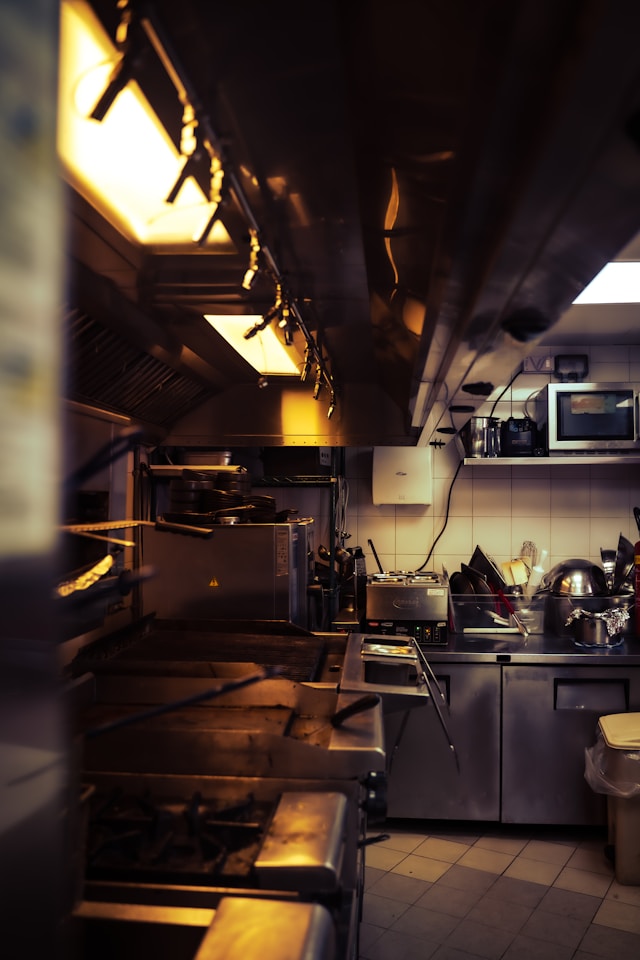
Running a successful commercial kitchen in Singapore is not just about having skilled chefs or top-quality ingredients. The foundation of a safe and efficient kitchen lies in having the right commercial kitchen exhaust system. Whether you’re managing a restaurant, food court stall, hotel kitchen, or central kitchen, selecting the right system can make all the difference in maintaining air quality, preventing fires, and ensuring compliance with Singapore’s strict health and safety regulations.
This comprehensive guide explains how to choose the right commercial kitchen exhaust system for your business, covering everything from understanding your kitchen’s needs to meeting NEA and SCDF requirements.
1. Why the Exhaust System Matters
Cooking generates heat, grease, smoke, and steam — byproducts that can quickly create an uncomfortable and hazardous environment if not properly ventilated. A good commercial kitchen exhaust system helps:
- Remove airborne grease, smoke, and odors.
- Prevent fire hazards by reducing grease buildup.
- Maintain a cool and comfortable working environment.
- Improve indoor air quality and hygiene.
In a country like Singapore, where kitchens often operate in confined urban spaces and must comply with strict NEA (National Environment Agency) and SCDF (Singapore Civil Defence Force) standards, a reliable exhaust system isn’t optional — it’s essential.
2. Assess Your Kitchen Type and Cooking Load
Every kitchen is unique. The type of food you cook and the volume of operations play a crucial role in determining the specifications of your exhaust system.
Light-duty kitchens (e.g., cafés or salad bars):
- Minimal frying or grilling.
- Require smaller hoods and lighter exhaust systems.
Medium-duty kitchens (e.g., small restaurants or catering kitchens):
- Regular frying, grilling, and boiling.
- Need moderate airflow and efficient grease filtration.
Heavy-duty kitchens (e.g., hotels, hawker stalls, or central kitchens):
- Continuous high-temperature cooking with heavy smoke and grease.
- Require robust hoods, large duct systems, and high-powered fans.
By understanding your cooking intensity, you can choose a system that meets your airflow and safety requirements without overspending on unnecessary capacity.
3. Understanding the Main Components
Before choosing a system, it’s helpful to understand the main components that make up a commercial kitchen exhaust system:
- Exhaust Hood (Canopy): Captures grease, smoke, and fumes directly above cooking equipment.
- Filters: Trap grease particles before air moves into the ductwork.
- Ductwork: Channels air safely out of the kitchen to the building exterior.
- Exhaust Fan: Creates suction to draw contaminated air through the system.
- Make-Up Air Unit: Supplies fresh air to replace the air being exhausted.
Each component must work harmoniously. A mismatch — for example, a powerful fan paired with a narrow duct — can cause airflow imbalance, noise, and inefficiency.
4. Choose the Right Exhaust Hood Type
The exhaust hood is the most visible part of the system, and its design depends on the layout and equipment used in your kitchen.
Common hood types include:
- Wall-mounted canopy hoods: Installed against a wall above ranges, ovens, or fryers.
- Island canopy hoods: Used for cooking stations located in the center of a kitchen.
- Proximity (back shelf) hoods: Placed close to equipment for efficient capture of fumes in compact spaces.
- Pass-over hoods: Ideal for serving lines or areas where food is prepared and passed through to service counters.
When choosing a hood, consider the capture area (the hood should fully cover the cooking surface) and the overhang (typically 6–12 inches beyond the appliance edge) to ensure maximum efficiency.
5. Airflow and Duct Design
Proper airflow is critical for efficient ventilation. Airflow requirements are usually calculated in CFM (cubic feet per minute) based on the size of the hood and the intensity of cooking.
If airflow is too weak, smoke and heat linger in the kitchen. If it’s too strong, it can pull conditioned air out, making the air-conditioning system work harder.
Key design principles include:
- Smooth, short duct runs: Minimize resistance and prevent grease accumulation.
- Proper duct slope: Allows grease to drain into traps for easy cleaning.
- Grease-tight construction: Prevents leaks that can cause fire risks.
- Adequate fan placement: Fans should be accessible for maintenance and away from fresh air intakes.
Professional kitchen exhaust contractors in Singapore can calculate the ideal duct size and fan power based on your kitchen layout and cooking load.
6. Filter Selection — The First Line of Defense
Filters play a critical role in capturing grease before it enters the duct system. Choosing the right filter type enhances fire safety and system efficiency.
Common filter types include:
- Baffle filters: Made of stainless steel, these are durable and easy to clean. They redirect airflow to trap grease effectively.
- Mesh filters: Lightweight and cost-effective but require frequent cleaning.
- Cartridge filters: Provide superior grease capture for heavy-duty kitchens.
Baffle filters are the most popular in Singapore’s commercial kitchens due to their compliance with fire safety standards and long lifespan.
7. Consider Noise Control
Kitchen exhaust fans can generate significant noise, especially in compact urban kitchens or shared spaces. High noise levels can affect staff comfort and even disturb nearby tenants.
To manage noise:
- Choose low-noise fans designed for commercial environments.
- Use acoustic duct liners or silencers.
- Install anti-vibration mounts to reduce structural noise.
Balancing performance and comfort is essential in a busy kitchen environment.
8. Fire Safety and Compliance in Singapore
Fire safety is one of the biggest reasons why choosing the right exhaust system is critical. Grease buildup can ignite and spread rapidly through ducts if not properly filtered or cleaned.
In Singapore, compliance is governed by the SCDF Fire Code and NEA’s guidelines. Key requirements include:
- Installation of fire-rated ductwork for certain systems.
- Use of stainless steel hoods and ducts to resist corrosion and fire.
- Incorporation of fire suppression systems in high-risk areas.
- Regular maintenance and cleaning to prevent grease accumulation.
Failure to meet these standards can result in penalties, suspension of your food license, or even closure in severe cases.
9. Energy Efficiency and Ventilation Balance
Singapore’s high electricity costs make energy-efficient design a top priority for commercial kitchens. A well-designed exhaust system should not only remove contaminated air but also minimize energy waste.
Energy-saving tips include:
- Demand-controlled ventilation (DCV): Adjusts fan speed based on cooking activity, reducing power usage during off-peak hours.
- Heat recovery systems: Capture waste heat from exhaust air to preheat water or air.
- Air balancing: Ensures that exhaust and supply air volumes are optimized, reducing load on air-conditioning systems.
An efficient system provides long-term savings and a smaller carbon footprint — aligning with Singapore’s push for sustainable business practices.
10. Maintenance Accessibility
Even the most advanced exhaust systems require regular cleaning and maintenance to stay efficient and safe. When selecting a system, prioritize designs that offer easy access for maintenance personnel.
Look for features such as:
- Removable baffle filters that can be washed easily.
- Accessible fan locations for inspection and repairs.
- Clean-out doors on ducts to simplify grease removal.
Proper maintenance not only ensures compliance but also extends the lifespan of your system and prevents costly breakdowns.
11. Space and Building Considerations
Space constraints are common in Singapore’s commercial units, especially in food courts, hawker stalls, and mixed-use developments. Your exhaust system design must work within these limits while meeting ventilation requirements.
Considerations include:
- Ceiling height: Low ceilings may require proximity hoods instead of canopy types.
- Shared exhaust risers: Common in malls and food courts; ensure your system connects properly to shared ventilation shafts.
- Outdoor exhaust discharge: Must be positioned away from public walkways and windows as per NEA regulations.
Working with experienced contractors familiar with local building layouts and codes ensures smooth installation and compliance.
12. Budget vs. Long-Term Value
While it might be tempting to go for the cheapest system available, poor-quality exhaust systems can lead to higher long-term costs due to inefficiency, frequent repairs, and potential regulatory issues.
Instead, focus on total lifecycle cost — the combination of installation, maintenance, and operating expenses. Investing in a high-quality system pays off through:
- Fewer breakdowns.
- Lower energy consumption.
- Longer system lifespan.
- Better fire safety and hygiene performance.
A reliable exhaust system is an investment in your business’s stability and reputation.
13. Working with Experienced Professionals
Choosing the right system isn’t a DIY decision. Professional kitchen exhaust specialists in Singapore understand the technical, safety, and legal requirements of different types of kitchens.
When selecting a contractor:
- Verify their experience with commercial kitchens similar to yours.
- Ask if they handle end-to-end services, from design and installation to cleaning and maintenance.
- Ensure they understand NEA and SCDF compliance requirements.
- Request documentation and drawings for future inspection or renovation works.
A good contractor will not just install a system but also guide you through ventilation balancing, certification, and long-term upkeep.
14. Key Mistakes to Avoid
Many business owners make costly errors when selecting or maintaining their kitchen exhaust system. Avoid these common mistakes:
- Underestimating airflow requirements: Leads to poor smoke capture and overheating.
- Neglecting maintenance: Causes grease buildup and fire risks.
- Ignoring air balancing: Results in negative air pressure and HVAC strain.
- Installing undersized hoods: Reduces efficiency and increases odor escape.
- Not planning for future expansion: Makes upgrades difficult and costly.
Proper planning and expert consultation during the design phase prevent these issues.
15. The Singapore Advantage — Local Expertise
Singapore’s compact commercial spaces and strict environmental controls mean that locally experienced contractors are invaluable. They understand the unique challenges of operating in malls, mixed-use buildings, and hawker centres. Many offer integrated services such as:
- NEA-compliant grease management systems.
- Odor control and air purification systems.
- Centralized duct maintenance programs.
Partnering with a reputable local contractor ensures that your system not only performs efficiently but also meets the evolving standards set by Singapore authorities.
Conclusion
Selecting the right commercial kitchen exhaust system is one of the most critical decisions for any food business in Singapore. The right system ensures clean air, safe operations, energy efficiency, and full compliance with NEA and SCDF standards.
When evaluating your options, consider your kitchen size, cooking load, hood type, duct layout, and maintenance accessibility. Work with experienced professionals who can provide tailored solutions that fit your space and operational needs.
A reliable, well-designed exhaust system doesn’t just keep your kitchen running smoothly — it protects your staff, customers, and business reputation for years to come.
Find out more at https://commercialkitchenexhaust.sg/