Introduction
The world of work is changing faster than ever. Hybrid models, digital transformation, sustainability goals, and shifting employee expectations are reshaping how offices function. In Singapore—where businesses operate in a dynamic, competitive, and space-constrained environment—office interiors must adapt to these changes.
Future-proofing an office doesn’t just mean creating a stylish space today; it means designing interiors that remain relevant, adaptable, and efficient in the years to come. Flexible interior design ensures businesses can respond to growth, technology shifts, and new work trends without costly overhauls.
This article explores strategies for future-proofing office interiors through flexible design, highlighting practical solutions for businesses in Singapore.
1. Why Flexibility is the Future of Office Design
Office design flexibility is essential for sustainability and resilience.
- Changing work models: Hybrid and remote work demand new layouts and technologies.
- Business growth: Offices must expand or contract as headcount fluctuates.
- Technology adoption: Designs must accommodate new tools and devices.
- Cost management: Flexible spaces reduce the need for frequent renovations.
In Singapore, where office rents are high, future-proofing through flexibility saves both money and disruption.
2. Modular Furniture Systems
Furniture is one of the easiest ways to integrate flexibility.
- Reconfigurable desks: Tables that can be rearranged for teamwork or solo tasks.
- Modular seating: Sofas and chairs that adapt to different group sizes.
- Stackable and foldable furniture: Ideal for training rooms or event spaces.
- Multi-functional pieces: Benches with storage, or partitions that double as whiteboards.
Investing in modular furniture ensures spaces remain versatile and future-ready.
3. Open Layouts with Defined Zones
Open-plan offices continue to dominate, but flexibility comes from zoning.
- Collaboration zones: Open areas for group work and brainstorming.
- Quiet zones: Pods or enclosed spaces for focused work.
- Social spaces: Lounges and pantries that double as informal meeting areas.
- Hot-desking areas: Flexible seating for hybrid staff.
Zoned open layouts combine freedom with structure, making it easier to adapt to changing needs.
4. Movable Partitions and Walls
Instead of permanent walls, movable partitions offer adaptability.
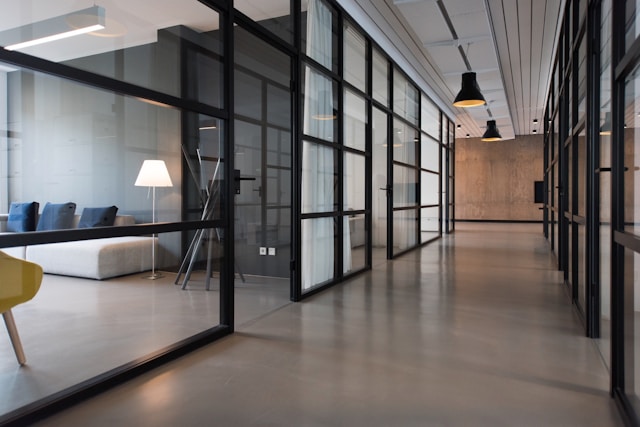
- Sliding glass walls: Create meeting rooms when needed, or open spaces for events.
- Acoustic panels: Provide privacy without full enclosures.
- Foldable partitions: Easily transform large rooms into smaller breakout spaces.
- Brandable partitions: Serve as both functional dividers and branding surfaces.
Movable partitions reduce the need for structural changes during future renovations.
5. Technology-Integrated Interiors
Smart technology is key to future-proof offices.
- IoT-enabled systems: Monitor energy use, space utilization, and air quality.
- Touchless solutions: Motion-activated doors, lifts, and taps for hygiene.
- Smart meeting rooms: Equipped with wireless connectivity and digital whiteboards.
- Adaptable lighting: Systems that adjust brightness and color temperature throughout the day.
By designing with technology integration in mind, offices remain relevant in a digital-first world.
6. Hybrid Work-Friendly Designs
Hybrid work is now standard in Singapore, and offices must accommodate it.
- Hot-desking stations: Shared desks booked via apps.
- Smart lockers: Secure storage for employees who come in occasionally.
- Video conferencing zones: Acoustic pods for remote meetings.
- Flex areas: Spaces that adapt for collaboration or individual work.
Hybrid-ready offices support flexibility while optimizing space usage.
7. Sustainability and Green Flexibility
Future-proof offices also prioritize sustainability.
- Eco-friendly materials: Bamboo, recycled wood, and low-VOC paints.
- Energy-efficient lighting and HVAC: Reduce long-term costs.
- Biophilic design: Plants and natural elements improve well-being.
- Adaptable layouts: Reduce waste by avoiding frequent demolitions and rebuilds.
Green flexibility aligns with Singapore’s sustainability initiatives and enhances brand reputation.
8. Employee-Centric Design
Future-proofing also means catering to employee needs and well-being.
- Wellness rooms: Spaces for meditation, stretching, or rest.
- Ergonomic furniture: Adjustable chairs and sit-stand desks.
- Natural light access: Open layouts that maximize daylight exposure.
- Inclusive design: Features that accommodate diverse needs, including accessibility.
When employees feel supported, they are more engaged and loyal.
9. Multi-Functional Meeting Spaces
Traditional conference rooms often go underutilized. Future-proof offices make them flexible.
- Convertible rooms: Meeting spaces that double as training areas.
- Tech-enabled collaboration: Interactive displays and smart whiteboards.
- Movable furniture: Tables and chairs that adapt to different group sizes.
- Acoustic design: Panels that ensure privacy during hybrid calls.
Meeting rooms designed for adaptability remain useful even as business needs evolve.
10. Maximizing Vertical and Hidden Storage
Storage solutions must adapt alongside changing office needs.
- Built-in cabinets: Maximize vertical space without cluttering floors.
- Hidden storage: Concealed compartments in desks or benches.
- Smart inventory systems: IoT-enabled tools that monitor supplies.
- Shared storage zones: Reduce duplication and wasted space.
Flexible storage keeps offices tidy and adaptable as teams grow or shrink.
11. Acoustic Flexibility
Noise can be a challenge in open layouts, but acoustic solutions add flexibility.
- Acoustic pods: Small enclosed spaces for private calls.
- Sound-absorbing panels: Installed on walls or ceilings.
- Flexible partitions: Provide both visual and acoustic separation.
- White noise systems: Create consistent, comfortable sound levels.
These solutions ensure the office environment adapts to both collaboration and focus needs.
12. Cost-Effective Flexibility for SMEs
Flexibility doesn’t have to be expensive.
- Phased renovations: Update key areas gradually.
- DIY upgrades: Modular shelving or movable partitions.
- Affordable ergonomic add-ons: Laptop stands, cushions, and footrests.
- Repurposing furniture: Refurbish instead of replacing.
These strategies make future-proofing accessible for small and medium enterprises in Singapore.
13. Branding and Identity in Flexible Design
A flexible office doesn’t mean bland—it should still reflect company culture.
- Brand-colored partitions: Movable dividers that reinforce identity.
- Custom graphics: Applied to walls or acoustic panels.
- Interchangeable décor: Easily updated artwork or themes.
- Showcase zones: Areas for displaying company milestones.
Branding elements ensure that flexibility never compromises personality.
14. Preparing for Future Trends
Office design must anticipate future changes.
- AI integration: Predictive systems that optimize space use.
- Augmented reality: Virtual collaboration tools built into office layouts.
- Employee personalization: Desks and pods that remember user settings.
- Global mobility: Offices that can adapt to multicultural and international teams.
By anticipating trends, businesses avoid being locked into outdated layouts.
15. Decision-Making Framework for Flexible Design
To future-proof effectively, businesses should evaluate:
- Business growth – How will headcount change?
- Work model – Will hybrid or remote work increase?
- Budget constraints – What is affordable now vs. later?
- Employee needs – What environments support productivity and well-being?
- Technology adoption – How will the office integrate future systems?
This framework ensures office interiors remain adaptable and cost-effective.
Conclusion
Future-proofing an office is not about predicting every trend—it’s about creating flexibility. In Singapore’s dynamic business environment, where space is limited and change is constant, flexible office interior design provides the adaptability needed for growth and resilience.
From modular furniture and movable partitions to hybrid-friendly layouts and smart technology integration, flexible design ensures offices remain relevant for years. By prioritizing sustainability, employee well-being, and scalability, businesses can create workplaces that evolve seamlessly with shifting needs.
The office of the future is not static—it is dynamic, adaptable, and people-centered. Companies that embrace flexible design today will gain a competitive edge tomorrow, ensuring their workplaces remain both functional and inspiring in an ever-changing world.
Visit https://www.scdcasia.com/office-interior-design-renovation-singapore/ to find out more.