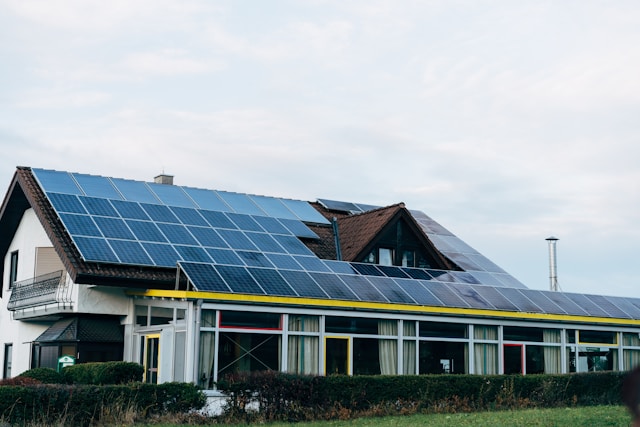
Quick answer: The quality of your solar panel installation directly dictates the system’s long-term energy output, safety, and financial return. Hiring certified solar panel contractors ensures proper roof mounting, optimal panel placement, and code-compliant electrical wiring. This prevents costly roof leaks, fire hazards, and voided equipment warranties over the 25-year lifespan of the system.
Switching to solar energy requires a significant financial commitment. Homeowners carefully research monocrystalline versus polycrystalline panels, compare string inverters to microinverters, and calculate their projected energy savings. Yet, the physical hardware is only one half of a successful renewable energy system. The professionals who physically attach this equipment to your home carry the real responsibility for your system’s performance.
A high-efficiency solar panel cannot overcome the handicap of poor placement or faulty wiring. The solar industry has seen rapid growth over the last decade, bringing a wave of new installation companies into the market. This surge gives property owners plenty of options, but it also creates a massive variance in workmanship quality.
Selecting the right team to handle your project is the most critical decision in the entire transition to renewable energy. Professional solar panel contractors provide the engineering expertise and structural knowledge necessary to protect your property. The following guide breaks down exactly how installation quality influences your system’s longevity, safety, and overall return on investment.
How does the installation process impact solar energy production?
The primary goal of any solar energy system is to generate maximum electricity over its lifespan. The physical placement of the equipment heavily influences this output. Solar panels require precise angling and positioning to capture the most direct sunlight throughout the year.
Inexperienced installers frequently fail to conduct a thorough shading analysis. A professional solar panel contractor will use advanced software to map the sun’s trajectory across your specific roof, accounting for nearby trees, chimneys, and neighboring buildings. Even a small amount of shadow covering a single panel can drastically reduce the energy production of an entire array if the system uses a central string inverter.
Proper mounting techniques also affect temperature regulation. Solar panels actually lose efficiency when they become too hot. High-quality installations leave an adequate air gap between the roof surface and the underside of the panels. This gap allows wind to circulate and cool the photovoltaic cells. Rushed or improper mounting jobs that pin the hardware flush against the shingles restrict airflow, thereby reducing energy conversion rates during peak summer months.
What are the financial risks of hiring inexperienced solar panel installers?
Choosing the lowest bidder often results in long-term financial consequences. The upfront savings disappear quickly when installation errors begin to manifest. Poor workmanship directly threatens the structural integrity of your home and the lifespan of the solar equipment.
How do improper mounting techniques lead to roof leaks?
Securing a solar array requires penetrating the roof’s surface with lag bolts to anchor the racking system directly into the rafters. Professional solar panel contractors use a crucial waterproofing technique called flashing. They install metal barriers and apply specialized sealants around every single roof penetration to divert water away from the bolt holes.
When contractors cut corners, skip the flashing process, or miss the rafters entirely, they create direct pathways for rainwater. Over time, these small leaks rot the underlying wood decking, ruin attic insulation, and promote mold growth inside the home. Repairing a compromised roof often requires paying a separate crew to completely remove the solar panels, fixing the structural damage, and then paying to reinstall the array.
What happens when electrical wiring is compromised?
A standard residential solar system generates high-voltage direct current (DC) electricity. Routing this power safely from the roof down to the main electrical panel requires strict adherence to the National Electrical Code.
Subpar contractors frequently leave wires exposed to the elements or let them rest directly against sharp metal roof edges. Constant friction from wind and thermal expansion eventually wears away the wire insulation. This creates a severe fire hazard and can cause the system’s safety mechanisms to shut down power production entirely. Professional solar panel contractors utilize protective conduits and secure all cabling with UV-resistant clips to ensure the system remains safe and operational for decades.
How can homeowners choose the best solar panel contractors?
Evaluating an installation company requires looking past the sales pitch and examining their operational standards. Homeowners need to verify credentials, investigate past work, and understand the terms of the company’s guarantees.
What certifications should professional solar panel contractors hold?
The gold standard for the solar industry is certification from the North American Board of Certified Energy Practitioners (NABCEP). A NABCEP-certified PV Installation Professional has passed rigorous examinations and demonstrated a high level of technical competency.
Beyond specific industry certifications, the company must hold valid state electrical and general contracting licenses. Ask to see proof of general liability insurance and workers’ compensation coverage. If an uninsured worker falls off your roof during the installation, the homeowner can be held financially responsible.
How do warranty options protect your solar investment?
Solar warranties generally fall into two categories: equipment warranties and workmanship warranties. The panel manufacturer provides the equipment warranty, which typically guarantees power output for 20 to 25 years. However, manufacturers will void this warranty if the equipment is installed incorrectly.
The workmanship warranty comes directly from the solar panel contractors. This covers the actual labor, roof penetrations, and electrical connections. Look for contractors offering a workmanship warranty of at least 10 years.
Choose a local solar panel contractor if you want faster ongoing service and a team that possesses deep knowledge of your specific municipal permitting codes. Choose national solar panel contractors if you prioritize standardized financing options, highly structured customer support centers, and widespread corporate backing.
Securing Your Solar Future with the Right Team
Investing in solar energy is a long-term play. The panels placed on your roof today should still be offsetting your utility bills a quarter-century from now. Achieving that goal requires precise engineering, robust electrical work, and meticulous roofing techniques.
By prioritizing quality over the lowest initial price tag, property owners protect their homes from structural damage and fire hazards. Take the time to research local providers, verify their NABCEP credentials, and review their workmanship warranties. Your home is your most valuable asset, and the professionals you hire to modify it should treat it with the highest level of respect and expertise.
Frequently Asked Questions About Solar Panel Installation
How much does a professional solar panel installation cost?
The total cost depends heavily on your location, your energy needs, and the specific equipment you select. According to the Solar Energy Industries Association (SEIA, 2023), the average residential solar system costs between $15,000 and $25,000 before applying the federal solar tax credit. High-quality contractors may charge slightly more for labor, but this premium covers proper roof flashing, certified electricians, and comprehensive workmanship warranties.
How long does the solar panel installation timeline take?
The physical installation of the panels typically takes only one to three days. However, the entire process—from signing the contract to turning the system on—usually spans two to three months. This timeline accounts for custom system design, securing municipal building permits, and waiting for the final utility company inspection and interconnection approval.
What are the risks of installing solar panels yourself?
DIY solar installations carry massive physical and financial risks. Working on a slanted roof with heavy equipment creates a high probability of severe injury. Furthermore, improper electrical wiring can cause catastrophic house fires. Most major equipment manufacturers will completely void their 25-year performance warranties if the panels are not installed by licensed solar panel contractors.
Who should invest in professional solar panel contractors?
Property owners who plan to remain in their homes for at least five to seven years will see the best return on investment from professional solar panel contractors. Additionally, individuals who want to eliminate the risk of roof damage, ensure their system meets all local building codes, and secure long-term warranties should always hire vetted, certified professionals rather than attempting a DIY project or hiring unlicensed handymen.