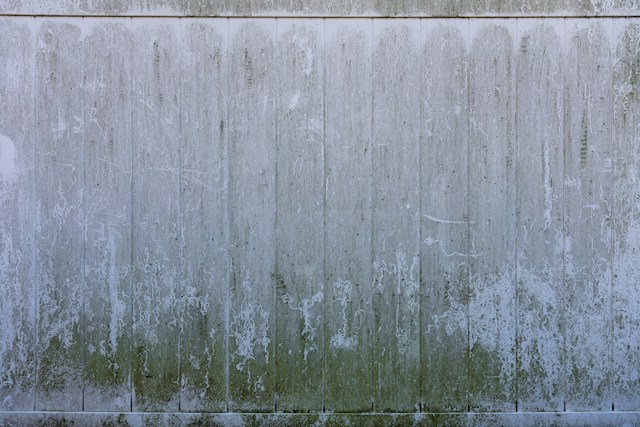
Quick answer: Mold returns in Singapore homes because the tropical climate keeps indoor humidity consistently above 65%, the threshold mold needs to thrive. Surface cleaning kills visible spores but leaves behind moisture sources, poor ventilation, and hidden spore colonies in walls, aircon units, and grout. Lasting mold control requires fixing humidity and airflow, not just scrubbing stains.
If you’ve scrubbed the same patch of mold off your bathroom ceiling three times this year, you’re not imagining things. Singapore’s climate is practically engineered to grow mold. Average humidity levels hover between 70% and 90% year-round, and that moisture doesn’t just disappear when you close your windows and switch on the air conditioner.
Many homeowners treat mold as a cosmetic problem: wipe it away, maybe spray some bleach, and move on. But mold is a biological organism responding to specific environmental triggers. If those triggers remain, the mold will too, often within weeks of your last cleaning session.
This post breaks down the real reasons mold keeps returning in Singapore homes, how to identify the root causes in your specific space, and what actually works to stop the cycle for good.
What Makes Singapore Homes So Mold-Prone?
Singapore sits just one degree north of the equator, which means consistently warm temperatures (around 26-32°C) combined with high relative humidity. Mold spores are present in virtually all indoor and outdoor air, but they only become a problem when they land on a damp surface and have enough time to colonize.
Three conditions typically need to align for mold to take hold:
- Moisture: from humidity, condensation, leaks, or water seepage
- A food source: dust, wood, drywall, paint, and even grout provide organic material for mold to feed on
- Stagnant air: poor ventilation allows spores to settle and multiply undisturbed
In a Singapore HDB flat or condo, all three conditions are often present simultaneously, especially in bathrooms, kitchens, and rooms with limited airflow.
Why Does Mold Come Back After I Clean It?
Cleaning mold off a surface removes the visible fungal growth, but it rarely addresses what’s underneath. Here’s why the problem resurfaces.
You’re Only Treating the Surface, Not the Source
Bleach and commercial mold removal Singapore are effective at killing surface-level spores, but mold often penetrates porous materials like grout, plaster, and wood. If moisture is still present within these materials, the mold can regrow from spores embedded below the surface within days.
Your Home’s Humidity Levels Are Still High
Mold typically needs relative humidity above 60-65% to grow actively. Many Singapore homes sit well above this threshold indoors, particularly in rooms without air conditioning or dehumidifiers running consistently. Cleaning the mold doesn’t lower the humidity that caused it in the first place.
There’s a Hidden Water Leak or Condensation Point
Persistent mold in the same spot, especially around windows, ceilings, or behind furniture, is often a sign of an ongoing leak or condensation issue rather than general humidity. Common culprits include:
- Leaking pipes behind walls or under sinks
- Poorly sealed window frames allowing rainwater seepage
- Condensation on air-conditioning units or ducting
- Water seepage from neighboring units (common in older HDB blocks)
If you only treat the mold and not the leak, it will return in the exact same location.
Your Air Conditioner Is Part of the Problem
Air-conditioning units that aren’t regularly serviced can become a breeding ground for mold themselves. Condensation builds up inside the unit, and if the drainage system is clogged or the filters are dirty, that moisture circulates through the room rather than draining away. This is one of the most overlooked sources of recurring mold in Singapore homes.
Poor Ventilation Is Trapping Moisture Indoors
Many Singapore apartments, particularly those with internal bathrooms or kitchens without windows, rely entirely on mechanical exhaust fans for ventilation. If these fans are weak, poorly maintained, or switched off too soon after showering or cooking, moisture lingers in the air and settles on cool surfaces like tiles and ceilings.
Where Does Mold Usually Reappear in Singapore Homes?
Mold tends to recur in predictable locations because these areas combine moisture, limited airflow, and organic material.
Bathroom Ceilings and Grout
Bathrooms generate the most moisture in any home through showers and hot water use. Without an exhaust fan running long enough to clear the humidity, that moisture settles on ceilings and grout lines, which are porous and hold onto spores easily.
Behind Wardrobes and Furniture Against External Walls
External walls facing the exterior of a building are often cooler than interior walls, especially at night. When warm, humid indoor air meets this cooler surface, condensation forms. Furniture placed flush against these walls blocks airflow, trapping moisture and encouraging mold growth on the wall and the back of the furniture itself.
Window Frames and Sills
Rain and condensation collect at window frames, particularly older or poorly sealed units. Combined with curtains or blinds that limit sunlight and airflow, this creates a persistent damp environment.
Air-Conditioning Vents and Units
As mentioned earlier, aircon systems are frequently blamed less often than they should be. Musty smells when you switch on the unit are a strong sign that mold is growing inside the system itself, not just in the room.
How Do I Stop Mold From Coming Back for Good?
Stopping recurring mold requires addressing the underlying environmental conditions, not just the visible growth. Choose the strategies below based on where your specific mold problem is occurring.
Control Indoor Humidity
Use a hygrometer to monitor humidity levels in problem rooms. If readings consistently sit above 60%, consider running a dehumidifier, particularly in bedrooms and living areas without constant air conditioning.
Improve Airflow in Damp Areas
Keep exhaust fans running for at least 15-20 minutes after showering or cooking. In rooms without windows, consider installing a timer-based exhaust fan or a small ventilation unit to keep air circulating even when you’re not home.
Service Your Air Conditioner Regularly
Have your aircon units professionally cleaned every three to six months. This includes clearing the drainage line and cleaning the internal coils, where mold most commonly develops unnoticed.
Fix Leaks Immediately
If mold keeps returning in the same spot despite good ventilation and humidity control, inspect for leaks. This may require a professional plumber or building inspector, particularly if the issue involves pipework behind walls or water seepage from neighboring units.
Treat Porous Surfaces Properly
For grout, plaster, or wood that has repeated mold growth, surface cleaning alone won’t resolve embedded spores. Choose a mold-specific treatment that penetrates the material, and consider resealing grout lines once the area is fully dry.
Reduce Clutter and Improve Furniture Placement
Leave a few centimeters of space between furniture and external walls to allow air to circulate. This simple change can prevent condensation buildup that leads to mold on walls and furniture backs.
When Should I Call a Professional for Mold Removal?
Choose professional mold remediation if any of the following apply to your situation:
- Mold covers an area larger than roughly one square meter
- The mold keeps returning despite addressing humidity, ventilation, and visible leaks
- You notice a persistent musty smell without visible mold, suggesting growth inside walls or air-conditioning systems
- A household member experiences respiratory symptoms, allergies, or skin irritation that worsen at home
Professionals can test for mold species, identify hidden moisture sources using moisture meters or thermal imaging, and apply treatments suited to the specific material and extent of growth.
Breaking the Cycle for Good
Recurring mold in a Singapore home is rarely bad luck. It’s usually a sign that humidity, ventilation, or a hidden leak hasn’t been addressed at the source. Cleaning mold off a surface buys you a few weeks at best if the underlying conditions remain unchanged.
Start by identifying where the mold keeps appearing and work backward to find the cause, whether that’s a poorly ventilated bathroom, a neglected aircon unit, or a leak you haven’t spotted yet. Addressing the environment rather than just the symptom is the only way to keep your home mold-free in Singapore’s humid climate.
If the problem persists after making these changes, it’s worth bringing in a professional to inspect for issues that aren’t visible from the surface, like water seepage within walls or mold growing inside air-conditioning systems.
Frequently Asked Questions
How much does mold removal cost in Singapore?
Costs vary depending on the severity and location of the mold. Minor DIY treatments using commercial mold removers can cost under S$50, while professional remediation services for larger or recurring infestations typically range from a few hundred to over a thousand Singapore dollars, depending on the scope of work and whether structural repairs are needed.
How long does it take to get rid of mold permanently?
Removing visible mold can take a single afternoon, but permanently resolving the issue depends on fixing the root cause. If humidity and ventilation issues are addressed immediately, most homes see significant improvement within two to four weeks. If a leak is involved, resolution time depends on how quickly the leak itself is repaired.
Is mold in my home dangerous to my health?
Mold exposure can trigger allergic reactions, respiratory irritation, and worsen asthma symptoms in sensitive individuals. While not all mold species are toxic, prolonged exposure in enclosed spaces is best avoided, particularly for children, the elderly, or those with existing respiratory conditions.
Can I remove mold myself, or do I need a professional?
Small, isolated mold patches (under one square meter) on non-porous surfaces like tiles can usually be cleaned safely with household products. Larger infestations, recurring mold, or growth on porous materials like drywall and wood often require professional assessment to address both the visible mold and underlying moisture source.
Will painting over mold stop it from coming back?
No. Painting over mold without removing it first and addressing the moisture source will likely cause the mold to grow through the new paint layer or spread to surrounding areas. The surface must be properly cleaned, dried, and treated before repainting.