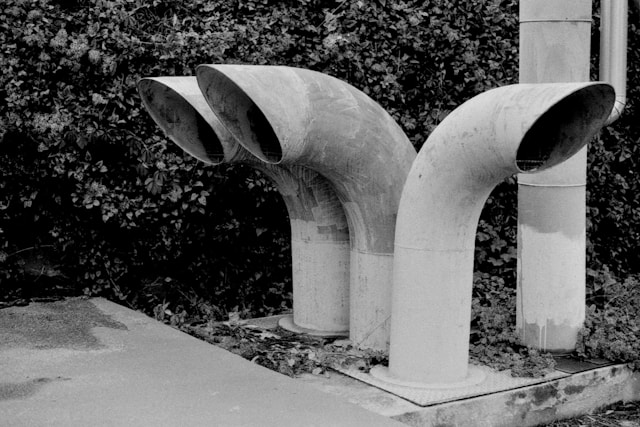
Walk into any large-scale manufacturing plant, woodworking shop, or chemical processing facility, and you will immediately notice the massive network of tubes running along the ceiling and walls. These structures form the industrial ducting system, an essential part of the building’s infrastructure. While it might look like a simple arrangement of pipes, this network is responsible for keeping the entire operation running safely and efficiently.
Proper ventilation is a fundamental requirement for industrial environments. Heavy machinery, chemical processes, and continuous production lines generate heat, toxic fumes, and large quantities of airborne particulate matter. Without a reliable way to remove these byproducts from the immediate environment, workers face severe health risks. Furthermore, equipment can easily overheat or become jammed with debris, leading to costly unplanned downtime.
Industrial ductwork solves these problems by capturing hazardous air at the source and moving it safely outside or through specialized filtration systems. Unlike the residential HVAC systems you have in your home, industrial setups are designed to withstand extreme temperatures, abrasive materials, and highly corrosive chemicals. They require careful engineering to handle high-velocity airflow and massive volumes of exhaust.
Understanding how these systems work is crucial for facility managers, business owners, and maintenance personnel. Choosing the wrong materials or poor system design can lead to catastrophic failures, regulatory fines, and unsafe working conditions. This guide covers the fundamental knowledge you need to understand industrial ducting, from the materials used in construction to the specific applications they serve.
What is Industrial Ducting?
At its core, industrial ducting is a specialized network of conduits designed to transport air, gases, dust, or lightweight materials from one location to another within a facility. You can think of it as the respiratory system of an industrial building. It breathes in fresh air, circulates it to where it is needed, and exhales the dangerous or unwanted byproducts created by manufacturing processes.
These networks typically consist of main pipes, smaller branch lines, connection points, and specialized collection hoods. A powerful blower or fan drives the movement of air, creating a pressure differential that forces particles and gases to travel through the system. Depending on the facility’s needs, the ducting might route exhaust directly to the outside atmosphere, or it might push the air through heavy-duty scrubbers and dust collectors to remove contaminants before recirculating the clean air back into the building.
Key Materials Used in Industrial Ductwork
Because industrial environments vary wildly, ductwork must be manufactured from materials suited to the specific hazards of the job. A duct carrying hot, corrosive chemical fumes requires a completely different material makeup than one transporting large wood chips.
Galvanized Steel
Galvanized steel is the most common material used for general-purpose industrial ducting. Manufacturers coat standard steel with a thin layer of zinc, which provides excellent protection against rust and corrosion. It is highly durable, relatively inexpensive, and capable of handling standard HVAC applications, light dust collection, and moderate temperature exhaust. However, it is not suitable for highly abrasive materials or highly acidic environments.
Stainless Steel
When the environment involves severe chemicals, high moisture, or strict hygiene requirements, stainless steel becomes the material of choice. Food processing plants, pharmaceutical manufacturers, and chemical laboratories rely heavily on stainless steel ducting. It resists corrosion from harsh cleaning chemicals and does not easily harbor bacteria. While it is significantly more expensive than galvanized steel, its longevity in extreme conditions makes it a worthwhile investment.
Polyurethane and PVC
Flexible ducting made from polyurethane or polyvinyl chloride (PVC) is essential for machinery that moves during operation. For example, a CNC router head travels across a large table, meaning rigid pipe cannot connect directly to the cutting source. Flexible polymer hoses bridge the gap between moving machine parts and the main rigid duct system. Polyurethane is particularly favored for its high resistance to abrasion, making it perfect for woodworking and metal grinding dust.
Aluminum
Aluminum is highly prized for being incredibly lightweight while still maintaining good structural integrity. Facilities use aluminum ducting when weight restrictions on the building’s roof or ceiling structure prevent the use of heavy steel. It is also non-sparking. This unique property makes it the safest choice for environments handling highly flammable or explosive dust, such as grain silos or certain chemical processing plants.
Common Applications of Industrial Ducting
Different industries rely on ductwork to perform completely different tasks. The design and function of the system depend entirely on what needs to be moved through the pipes.
Dust and Particulate Collection
Manufacturing processes like sawing, sanding, cutting, and grinding produce massive amounts of dust. If left unchecked, this dust settles on machinery, ruins product finishes, and poses a serious inhalation hazard to workers. Industrial ducting connects directly to these machines, using high suction to pull the dust away the moment it is created. The ductwork then transports the material to a central cyclone separator or baghouse filter.
Fume and Exhaust Extraction
Welding shops, chemical mixing plants, and industrial paint booths generate dangerous gases and fumes. Workers cannot breathe these fumes safely, even for short periods. Fume extraction ducting uses specialized exhaust hoods positioned directly over the work area. The system pulls the toxic air upward and away from the worker’s breathing zone, routing it safely outside or through activated carbon filters.
Material Handling
In some facilities, ducting is not just used for waste removal; it is used to transport the actual product. Pneumatic conveying systems use high-pressure ducting to shoot lightweight materials across a factory floor. Food manufacturers use these systems to move flour or grain from storage silos to mixing vats. Plastics manufacturers use them to transport small plastic pellets to injection molding machines.
Heavy-Duty HVAC and Ventilation
While similar in concept to home air conditioning, industrial HVAC requires ducting built on a massive scale. Warehouses and factories have massive square footage and high ceilings. Controlling the temperature and humidity in these spaces requires ductwork capable of moving tens of thousands of cubic feet of air per minute without buckling under the pressure.
Crucial Components of a Ducting System
A successful industrial duct system relies on several interlocking components. If any single piece fails or is sized incorrectly, the entire system loses efficiency.
Pipes and Tubes
These are the main arteries of the system. In industrial settings, round pipes are highly preferred over rectangular ducts. Round pipes offer less air resistance, meaning the fans do not have to work as hard to push the air. They are also less prone to collecting dust in corners, which is a significant fire hazard in rectangular designs.
Fittings and Connectors
Fittings include elbows, Y-branches, reducers, and T-joints. They allow the ductwork to navigate around structural obstacles and connect multiple machines to a single main line. High-quality fittings are engineered with smooth interior curves. Sharp angles create turbulence, which slows down the air and allows heavy particles to drop out of the airstream and clog the pipe.
Dampers and Louvers
Dampers act like valves inside the ductwork. They allow operators to adjust the airflow manually or automatically. If a specific machine is not in use, the operator can close the damper to that branch line. This action redirects the suction power to the machines that are actively running, improving the overall efficiency of the dust collection system.
Fans and Blowers
The fan is the heart of the ducting system. Centrifugal blowers and axial fans create the necessary static pressure to move the air. Choosing the correct fan size requires complex mathematical calculations. The fan must overcome the natural friction of the pipe walls and the resistance of the filtration system while maintaining enough airspeed to keep particles suspended in the air.
Important Design Considerations
Designing an industrial ducting system is a job for experienced mechanical engineers. Several physical properties must be balanced to ensure the system functions correctly.
Airflow and Velocity
Air velocity refers to how fast the air is moving through the pipes, usually measured in feet per minute (FPM). Different materials require different velocities to stay suspended. Light wood dust might only need 3,500 FPM to keep moving, while heavy metal shavings might require 5,000 FPM. If the velocity drops too low, the material falls out of the air stream and creates severe blockages inside the duct.
Static Pressure
Static pressure is the resistance to airflow within the system. Every foot of pipe, every elbow joint, and every filter bag adds resistance. The system’s blower must be powerful enough to overcome this total static pressure. If the ductwork has too many sharp turns or the pipes are too small, the static pressure spikes, and the system fails to provide adequate suction at the machines.
Temperature and Environment
Engineers must account for the ambient temperature and the temperature of the exhausted air. Extremely hot exhaust gases cause metal ducts to expand. The system must include expansion joints to prevent the pipes from warping or snapping their heavy-duty mounting brackets.
Maintenance and Safety Standards
Installing an industrial ducting system is only the first step. Ongoing maintenance is required to keep the facility safe and compliant with federal regulations.
Organizations like the Occupational Safety and Health Administration (OSHA) and the National Fire Protection Association (NFPA) maintain strict rules regarding industrial ventilation. Combustible dust is a major focus of these regulations. Dust from wood, grain, sugar, and certain metals can explode with devastating force if a stray spark enters the ductwork.
Facilities must perform regular inspections of their ducting. Maintenance teams check for leaks at connection points, which reduce suction power and allow dust to escape into the workspace. They also open inspection doors to check for material buildup inside the pipes. Routine cleaning schedules are mandatory to prevent heavy accumulations of flammable dust.
Filters and collection bags at the end of the ducting line require frequent monitoring. When filters become clogged, the static pressure rises dramatically, starving the entire system of airflow. Implementing a preventative maintenance program ensures the ducting operates safely and extends the lifespan of the expensive blowers and filtration equipment.
Frequently Asked Questions About Industrial Ducting
How long does industrial ducting typically last?
The lifespan of industrial ductwork depends heavily on the materials used and the application. A standard galvanized steel system handling clean air or light dust can last 20 to 30 years with proper maintenance. However, ducting used to transport highly abrasive materials like sand or heavy metal shavings may wear through at the elbows and joints in just a few years, requiring regular patching or component replacement.
How do I know what size ducting I need?
Sizing requires a professional engineering assessment. It involves calculating the required Cubic Feet per Minute (CFM) of air for each machine, determining the necessary air velocity for the material being moved, and calculating the total static pressure of the planned route. Guessing pipe sizes usually results in a system that either lacks suction or wastes massive amounts of electricity.
Can I install industrial ducting myself?
While simple, small-scale dust collection in a single-person workshop can be a DIY project, commercial and industrial ducting should always be installed by certified professionals. The heavy weight of the materials poses a severe hazard if suspended improperly. Furthermore, improper grounding of the ductwork can lead to static electricity buildup, which can ignite combustible dust and cause a catastrophic explosion.
Keep Your Facility Breathing Easy
Industrial ducting is far more than an afterthought in building construction. It is a highly engineered, mission-critical system that protects your employees, preserves your machinery, and keeps your facility compliant with safety regulations. By understanding the basics of materials, design principles, and maintenance requirements, you are better equipped to make informed decisions about your facility’s infrastructure.
If you are experiencing poor air quality, frequent machine clogs, or simply need to expand your current operations, do not leave your ventilation to chance. Reach out to a certified industrial ventilation specialist to evaluate your current setup. They can help you design a customized ducting solution that ensures your facility continues to operate safely and efficiently for years to come.