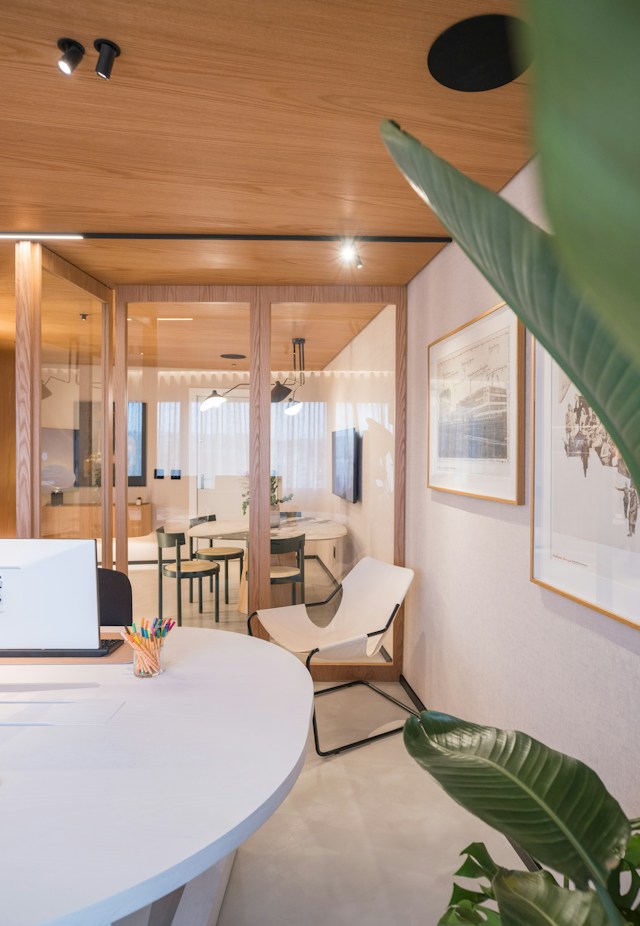
TL;DR: Small offices can gain significant storage without feeling cramped by using vertical space, multifunctional furniture, and strategic organization systems. Prioritize wall-mounted shelving, under-desk storage, and modular furniture that scales with your needs. The goal is maximizing function while maintaining visual breathing room through light colors, clear sightlines, and decluttered surfaces.
Every small office faces the same frustrating tension: you need somewhere to put files, supplies, and equipment, but adding storage often means sacrificing the open feeling that makes a workspace pleasant to spend time in. Cram too many cabinets into a tight room, and you end up with a cluttered, claustrophobic space that hurts focus and productivity.
The good news is that storage and spaciousness aren’t mutually exclusive. With the right strategies, small offices can gain substantial storage capacity while actually feeling more open than before. The key lies in thinking beyond traditional filing cabinets and bulky bookshelves, and instead embracing vertical space, multifunctional design, and smart organizational systems.
This guide walks through practical, proven approaches for adding storage to a small office without making it feel like a storage unit with a desk squeezed in. Whether you’re outfitting a home office nook or redesigning a compact commercial space, these strategies will help you reclaim both function and breathing room.
Why Do Small Offices Feel Cramped in the First Place?
Before adding storage, it helps to understand what actually makes a small office feel tight. It’s rarely just square footage. Cramped feelings usually stem from visual clutter, poor sightlines, and storage solutions that compete for floor space rather than working with the room’s natural flow.
A small office with clear floors, consistent color schemes, and storage that recedes into the walls can feel more open than a larger office stuffed with mismatched cabinets and overflowing shelves. This means the goal isn’t simply finding places to put things. It’s choosing storage that minimizes visual and physical footprint while maximizing capacity.
How Can Vertical Space Solve Small Office Storage Problems?
Floor space is the most limited resource in a small office, but wall space is often underused. Shifting storage upward is one of the most effective ways to add capacity without shrinking the usable floor area.
What Are the Best Wall-Mounted Storage Options for Tight Spaces?
Wall-mounted shelving units keep items off the floor and desk while drawing the eye upward, which can make ceilings feel higher and rooms feel more expansive. Floating shelves work particularly well because they lack visible brackets or legs, creating a cleaner look than traditional bookshelves.
Pegboards offer another flexible vertical solution. Originally popular in workshops, pegboards have become a favorite in small offices because they let you customize hook and shelf placement to fit exactly what you need to store, from binders to office supplies to cables.
For taller storage needs, consider slim, floor-to-ceiling units installed against a single wall rather than wide, low cabinets that eat into walking space. A narrow but tall bookcase holds as much as a wide, short one, but it occupies far less floor area.
How High Should Shelving Go in a Small Office?
Don’t stop at eye level. Items used infrequently, like archived files or seasonal supplies, can live on higher shelves near the ceiling. Reserve lower and mid-level shelving for daily essentials, keeping the most-used items within easy reach while less critical supplies migrate upward.
Can Multifunctional Furniture Really Increase Storage Capacity?
Furniture that serves double duty is one of the most efficient ways to add storage in a compact office. Rather than dedicating separate pieces to seating, surfaces, and storage, multifunctional designs combine these needs into single units.
What Types of Multifunctional Furniture Work Best in Small Offices?
Desks with built-in drawers or cabinet bases eliminate the need for separate filing units. Storage ottomans can double as extra seating for guests while hiding supplies inside. Filing cabinets designed as side tables provide a surface for printers or decor while quietly handling document storage underneath.
Modular shelving systems are particularly valuable because they can expand or reconfigure as storage needs change. Rather than committing to a fixed bookshelf, modular units let you add or remove components, making them a flexible long-term investment for offices that evolve over time.
Where Should Under-Desk Storage Go?
The space beneath a desk is frequently wasted. Rolling file cabinets, stackable bins, or slim drawer units tucked under the desk surface use this dead zone productively. Choose options with a low profile to maintain legroom and avoid a boxed-in feeling while seated.
How Does Decluttering Create the Feeling of More Space?
Storage only helps if it’s paired with intentional organization. Adding more places to put things without first reducing what you’re storing often results in more clutter, not less.
What’s the First Step in Decluttering a Small Office?
Start by sorting items into three categories: keep, archive, and discard. Items used daily should remain easily accessible. Items used occasionally can move to archive storage, whether that’s higher shelving, a closet, or off-site storage for truly infrequent materials. Anything outdated, duplicated, or no longer needed should be discarded or digitized.
Digitizing paper files is one of the most effective decluttering strategies for offices still relying on physical documents. Scanning and storing files digitally can eliminate entire filing cabinets’ worth of physical storage, freeing up significant floor and wall space.
How Often Should Office Storage Be Reorganized?
Set a recurring schedule, such as quarterly or biannually, to reassess what’s being stored and whether it’s still needed. Office storage needs shift as projects change and teams grow, so a system that worked six months ago might not be optimal today. Regular reviews prevent storage from slowly expanding to fill, and overwhelm, the available space.
Does Color and Lighting Affect How Spacious an Office Feels?
Visual perception plays a significant role in how cramped or open a room feels, independent of actual square footage. Storage choices that account for color and light can make a small office feel noticeably larger.
What Colors Make Small Office Storage Feel Less Bulky?
Light, neutral tones on shelving and cabinets help storage units blend into walls rather than standing out as bulky obstacles. White, soft gray, and light wood finishes reflect more light and create a sense of continuity with the room’s walls, reducing the visual weight of storage furniture.
Dark or heavily patterned storage units, by contrast, tend to draw attention and make a small room feel more enclosed, even if the actual storage capacity is identical.
How Does Natural Light Interact With Storage Placement?
Avoid positioning tall storage units directly in front of windows, as this blocks natural light from reaching the rest of the room. Instead, place vertical storage along walls perpendicular to windows, allowing light to travel freely across the space. Well-lit rooms consistently feel more open than dim ones, regardless of how much furniture they contain.
What Role Does Clear Floor Space Play in a Small Office’s Layout?
Even with excellent storage solutions, a small office can feel cramped if walking paths are obstructed. Maintaining clear sightlines from the doorway to the far wall helps the brain perceive the room as more spacious.
How Much Walkway Space Should Be Left Open?
A general guideline is to maintain at least 30 inches of clear walking space between furniture pieces. This allows comfortable movement without requiring awkward navigation around storage units or desks. If a storage addition would reduce walkways below this threshold, consider a narrower unit or vertical alternative instead.
Should Storage Be Centered or Pushed to the Walls?
Pushing storage against walls rather than placing it in the center of the room preserves open floor space and keeps sightlines unobstructed. Corner units are particularly useful in small offices, as they use otherwise-wasted corner space without intruding into the room’s usable area.
Final Thoughts: Building a Small Office That Works Harder, Not Smaller
Storage and spaciousness don’t have to compete for the same square footage. By prioritizing vertical solutions, multifunctional furniture, consistent decluttering, and thoughtful color and light choices, small offices can gain the capacity they need while staying visually open and comfortable to work in.
Start small with scdcasia.com: pick one strategy from this guide, whether that’s installing a floating shelf, digitizing a filing cabinet’s contents, or simply clearing walkway clutter, and build from there. A few intentional changes can transform a cramped office into a space that feels efficient, organized, and genuinely enjoyable to work in every day.
Frequently Asked Questions
What is the most space-efficient storage solution for a small office?
Wall-mounted vertical shelving is generally the most space-efficient option because it uses underutilized wall space instead of competing for floor area. Narrow, floor-to-ceiling units offer the same capacity as wide cabinets while occupying significantly less room.
How much does it typically cost to add storage to a small office?
Costs vary widely depending on materials and scale. Basic floating shelves or pegboards can cost under $100, while custom built-in storage systems may run into the thousands. Multifunctional furniture, like desks with built-in storage, often provides the best value by combining two purchases into one.
What should I avoid when adding storage to a small office?
Avoid bulky, dark-colored cabinets placed in the center of the room or in front of windows, as these choices block light and obstruct sightlines. Also avoid adding storage before decluttering, since this often results in more items to organize rather than a genuinely more functional space.
Is digital storage a good alternative to physical filing in small offices?
Yes, digitizing documents is one of the most effective ways to reduce physical storage needs. Scanning paper files and storing them digitally can eliminate entire cabinets’ worth of clutter, particularly beneficial for offices with limited square footage.
Who benefits most from modular storage furniture?
Modular storage works especially well for growing businesses or offices with changing needs, since components can be added or reconfigured over time. Choose modular systems if your storage needs are likely to evolve; choose fixed units if your needs are stable and you prioritize a lower upfront cost.
