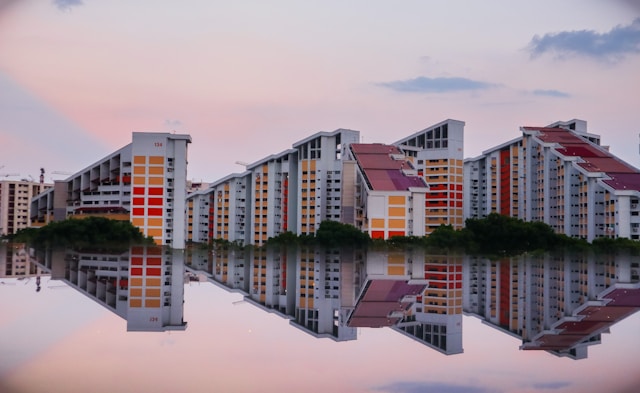
Quick answer: Smart HDB interior design makes small homes feel bigger through open layouts, multi-functional furniture, light color palettes, vertical storage, and strategic lighting. By removing unnecessary walls, choosing pieces that serve double duty, and drawing the eye upward, even a compact 3-room flat can feel spacious, airy, and uncluttered.
Singapore’s HDB flats are home to roughly 80% of the country’s resident population, according to the Housing & Development Board. That means millions of people share a common challenge: making the most of limited square footage. A standard 4-room flat measures around 90 square meters, and a 3-room flat can be as small as 60 square meters. Space is tight—but a smart layout changes everything.
The good news? You don’t need to knock down every wall or blow your budget to make a small home feel open and inviting. The right design choices can trick the eye, free up floor space, and turn a cramped flat into a home that breathes.
This guide breaks down the practical strategies interior designers use to maximize HDB spaces. From layout planning to furniture selection, lighting, and storage, you’ll learn how to make your flat feel far larger than its floor plan suggests.
Why does layout matter so much in HDB flats?
Layout is the foundation of how a space feels. Two flats with identical floor areas can feel completely different depending on how the rooms flow, where the furniture sits, and how light moves through the home.
In smaller HDB units, every design decision carries more weight. A bulky sofa in the wrong spot can block a walkway. A poorly placed partition can cut off natural light. When floor space is limited, clutter and bad flow become obvious fast.
Good layout planning solves these problems before they start. It prioritizes movement, sightlines, and breathing room. The goal isn’t to cram in more—it’s to make what you have work harder and feel better.
How do open layouts make small homes feel bigger?
Open-concept layouts are one of the most effective ways to expand a sense of space. By removing or minimizing walls between the living room, dining area, and kitchen, you create one continuous, flowing zone instead of several boxed-in rooms.
Knocking down non-structural walls
Many HDB flats have non-load-bearing walls that can be removed (with HDB approval and a licensed contractor). Taking down the wall between a kitchen and living room, for example, instantly opens up sightlines and lets light travel further into the home.
Always check with HDB and engage a professional before any hacking work. Structural walls and certain partitions cannot be removed for safety reasons.
Using glass partitions instead of solid walls
If you want some separation without sacrificing openness, glass partitions are a smart compromise. A glass panel between the bedroom and study, or a sliding glass door for a home office nook, keeps rooms feeling connected while still defining function. Light passes through, so no area feels closed off.
Defining zones without walls
You can separate areas using furniture, rugs, or lighting instead of physical barriers. A rug under the dining table marks the dining zone. A change in ceiling light fixtures signals the transition from kitchen to living room. These visual cues organize the space while keeping it open.
What furniture works best in small HDB homes?
Furniture choice can make or break a small space. The right pieces save floor area and add function. The wrong ones eat up room and create visual clutter.
Choose multi-functional furniture
Furniture that does double duty is essential in compact homes. Consider:
- Sofa beds for hosting overnight guests without a dedicated guest room
- Storage ottomans that hide blankets, toys, or magazines
- Extendable dining tables that shrink for everyday use and expand for gatherings
- Bed frames with built-in drawers to replace bulky dressers
- Nesting tables that tuck away when not in use
Each of these pieces serves more than one purpose, reducing the total number of items you need.
Pick the right scale
Oversized furniture overwhelms a small room. Choose pieces that fit the proportions of your space. A slim, low-profile sofa often works better than a deep sectional. Furniture with exposed legs creates a sense of openness because you can see the floor underneath—this makes the room feel airier than furniture that sits flush to the ground.
Go for built-in solutions
Custom carpentry is popular in HDB homes for good reason. Built-in cabinets, platform beds, and bench seating use space efficiently and create a seamless, uncluttered look. A built-in wardrobe that runs floor-to-ceiling stores more than a freestanding one while taking up the same footprint.
How do colors and materials affect the feeling of space?
Color has a powerful effect on how big a room feels. Light, neutral tones reflect more light and visually push walls outward. Dark colors absorb light and can make a space feel smaller and more enclosed.
Stick to a light, cohesive palette
White, cream, soft gray, and pale beige are reliable choices for small homes. They bounce natural light around the room and create an open, airy backdrop. Using a consistent color across walls, floors, and major furniture pieces reduces visual breaks, which makes the space feel larger and more unified.
Add depth with texture, not clutter
A light palette doesn’t have to feel flat or boring. Introduce interest through texture—a woven throw, a rattan light fixture, linen curtains, or a textured feature wall. These add warmth and personality without the visual heaviness of bold colors or busy patterns.
Use reflective surfaces
Glossy finishes, mirrors, and glass surfaces reflect light and create the illusion of more space. A large mirror on a living room wall can make the room feel almost twice as big by doubling the visual depth and bouncing light around.
How can lighting make a small home feel more spacious?
Lighting is one of the most underrated tools for expanding space. A well-lit room feels open and welcoming, while a dim, shadowy one feels cramped.
Maximize natural light
Keep windows as unobstructed as possible. Skip heavy drapes in favor of sheer curtains or light blinds that let sunlight in while maintaining privacy. Avoid placing tall furniture in front of windows, which blocks light and shrinks the room visually.
Layer your lighting
Relying on a single ceiling light creates harsh shadows and flat spaces. Instead, layer different light sources:
- Ambient lighting for overall illumination (ceiling lights or recessed downlights)
- Task lighting for specific activities (under-cabinet lights, desk lamps)
- Accent lighting to highlight features and add depth (wall sconces, LED strips)
Layered lighting adds dimension and makes a room feel larger and more inviting.
Draw the eye upward
Vertical lighting elements, like pendant lights or wall-mounted fixtures, draw the eye up and emphasize ceiling height. This trick makes ceilings feel taller and rooms feel more spacious.
What are the best storage solutions for small HDB flats?
Clutter is the enemy of a spacious-feeling home. Smart storage keeps belongings out of sight and floor surfaces clear, which instantly makes a room feel bigger.
Go vertical
Floor space is precious, so use your walls. Floor-to-ceiling shelving, tall cabinets, and wall-mounted units store more without expanding the footprint. Vertical storage also draws the eye upward, emphasizing height.
Use hidden and dead spaces
Look for storage opportunities in overlooked spots:
- Under the bed (drawers or storage boxes)
- Above doorways and inside ceiling soffits
- Under the staircase in maisonette units
- Inside platform beds and bench seating
- Behind mirrors (recessed bathroom cabinets)
Keep surfaces clear
A tidy surface reads as a larger surface. Resist the urge to fill every shelf and tabletop. Leaving some empty space gives the eye room to rest and makes the whole home feel calmer and more open.
How much does HDB interior design cost?
Renovation costs in Singapore vary widely based on the scope of work, materials, and the size of your flat. As a general guide, a basic renovation for a 4-room HDB interior design often starts around SGD 30,000 to 50,000, while more extensive renovations with custom carpentry and hacking can climb significantly higher.
To get the best value, prioritize the changes that have the biggest impact on space and daily living—layout improvements, built-in storage, and lighting—before spending on decorative extras. Always get multiple quotes from licensed contractors and confirm what’s included.
Bringing it all together
Making a small HDB flat feel bigger isn’t about magic—it’s about smart, intentional choices. Open layouts improve flow and sightlines. Multi-functional furniture saves space. Light colors and good lighting create an airy feel. Vertical and hidden storage keeps clutter at bay.
Start with one room and one strategy. Clear the clutter, swap a bulky piece for something multi-functional, or add a mirror to reflect light. Small changes add up fast, and you’ll be surprised how much bigger your home can feel.
If you’re planning a full renovation, consider working with a licensed interior designer who understands HDB guidelines and small-space design. The right professional can help you maximize every square meter while keeping the project on budget and up to code.
Frequently asked questions
Can I remove walls in my HDB flat to create an open layout?
You can remove non-load-bearing walls with HDB approval and a licensed contractor, but structural walls and certain partitions cannot be touched for safety reasons. Always submit the required permits and engage professionals before any hacking work begins.
What colors make a small HDB flat look bigger?
Light, neutral colors like white, cream, soft gray, and pale beige make small flats look bigger. They reflect natural light and visually expand the walls. A consistent palette across walls, floors, and furniture creates a unified, more spacious feel.
Is built-in furniture worth it for small HDB homes?
Built-in furniture is often worth it for small HDB homes because it uses space efficiently and creates a clean, uncluttered look. Floor-to-ceiling built-ins store more than freestanding pieces in the same footprint, making them ideal when space is tight.
How can I make my HDB ceiling feel higher?
To make an HDB ceiling feel higher, use vertical elements like floor-to-ceiling curtains, tall shelving, and pendant lighting that draw the eye upward. Avoiding bulky ceiling fixtures and keeping the upper walls light-colored also helps emphasize height.
Do mirrors really make a room look bigger?
Yes, mirrors make a room look bigger by reflecting light and creating visual depth. A large mirror placed across from a window doubles the natural light and gives the impression of more space, making it one of the easiest small-space tricks.