Quick answer: A corporate videographer in Singapore typically charges between S$800 and S$5,000 per project, depending on production complexity, crew size, and equipment needs. Simple one-camera shoots with basic editing sit at the lower end, while multi-day shoots with drone footage, multiple camera angles, and advanced post-production push costs toward the higher end. Freelancers tend to be more affordable than full production agencies, but agencies typically offer more comprehensive support.
Hiring a corporate videographer is one of those decisions that sounds simple until you start requesting quotes. One freelancer might quote you S$600 for a half-day shoot, while a production house quotes S$8,000 for what seems like a similar brief. The gap isn’t random — it reflects real differences in crew experience, equipment, and deliverables.
If you’re planning a company profile video, a product demo, or internal training content, understanding what drives these cost differences will help you budget accurately and avoid being either overcharged or underserved. This guide breaks down the typical pricing structure for corporate videography in Singapore, the factors that push costs up or down, and how to choose the right videographer for your specific project.
What Factors Affect Corporate Videography Pricing in Singapore?
Corporate video costs aren’t set by a fixed formula, but several consistent factors shape the final quote you’ll receive.
Production Scale and Crew Size
A solo videographer handling filming, lighting, and editing alone will always charge less than a team of five covering multiple roles — director, cinematographer, sound engineer, lighting technician, and editor. Larger crews mean higher day rates, but they also typically produce more polished, broadcast-quality footage. For a simple testimonial video, a one-person crew is often sufficient. For a brand film involving multiple locations or actors, a bigger team becomes necessary.
Equipment and Technical Requirements
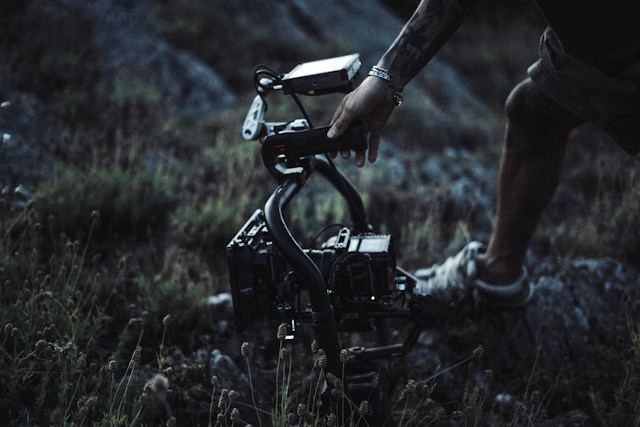
Basic packages usually include a single camera, a tripod, and natural or simple artificial lighting. Costs rise when a project calls for specialized equipment such as drones for aerial shots, gimbals for smooth tracking shots, multiple camera angles for interviews, or professional lighting rigs for studio-quality visuals. Drone footage alone, for instance, often adds a separate line item to the quote due to licensing and pilot certification requirements in Singapore.
Shoot Duration
Half-day shoots (around 4 hours) cost less than full-day shoots (8 hours or more), and multi-day productions compound costs further. Videographers often build in buffer time for setup, retakes, and breakdown, so even a “quick” shoot rarely finishes in under two hours.
Post-Production Complexity
Editing is where many corporate video budgets expand unexpectedly. A straightforward cut with basic color correction and background music costs far less than a video requiring motion graphics, animated text overlays, custom branding elements, or multiple language versions with subtitles. Revisions also factor in — most videographers include one or two rounds of revisions in their base quote, with additional rounds billed separately.
Freelancer vs. Agency
Choose a freelancer if budget flexibility matters more than having a full-service team on standby. Freelance videographers in Singapore generally offer more competitive rates because they have lower overhead, and they’re a strong fit for straightforward projects like staff interviews or short social media clips.
Choose a production agency if you need end-to-end project management, access to a larger crew, or a guaranteed turnaround schedule. Agencies typically charge more, but they bring scriptwriting support, multiple equipment options, and a structured production pipeline that reduces the risk of delays — valuable for time-sensitive corporate launches or events.
What Are the Typical Price Ranges for Corporate Video Projects?
Pricing in Singapore’s corporate video market generally falls into a few recognizable tiers, though exact figures vary by provider.
Basic Corporate Videos (Testimonials, Short Interviews)
These are typically single-camera setups with minimal lighting and a half-day shoot. Editing involves simple cuts, color correction, and background music. This tier suits companies that need a quick, professional-looking video without elaborate production value — think an employee testimonial for a careers page or a short client success story.
Mid-Range Corporate Videos (Company Profiles, Product Demos)
This tier usually involves a small crew (two to three people), a full-day shoot, and more deliberate storytelling through scripted interviews or voiceover narration. Post-production often includes motion graphics, branded intros and outros, and color grading. Most companies producing a “who we are” video for their website or LinkedIn page fall into this category.
Premium Corporate Videos (Brand Films, Multi-Location Shoots)
At this level, expect a larger crew, multiple shoot days, advanced equipment like drones and gimbals, and extensive post-production involving custom animation or visual effects. These projects are suited to companies launching a major rebrand, producing investor relations content, or creating flagship marketing material meant for wide external distribution.
Choose the basic tier if your priority is speed and cost control. Choose the mid-range tier if you need a video that represents your brand credibly across multiple platforms. Choose the premium tier if the video is a centerpiece asset for a major campaign or company milestone.
What’s Typically Included in a Corporate Videographer’s Quote?
Understanding what a quote covers — and what it doesn’t — prevents surprise costs later.
Most quotes include pre-production planning (a brief consultation or script review), the shoot day itself (crew, camera, and basic lighting), and a set number of post-production revisions. What’s often excluded, and billed separately, includes:
- Location fees: Some venues in Singapore charge for commercial filming permits, particularly in public spaces like Marina Bay or heritage districts.
- Talent fees: If you need professional actors or voiceover artists rather than staff members on camera, this is usually a separate cost.
- Music licensing: Stock music is often included, but licensed commercial tracks cost extra.
- Additional revisions: Beyond the agreed rounds, further edits are typically charged hourly or per revision.
- Rush delivery: Needing the final video within 48 hours instead of the standard one to two weeks usually incurs a rush fee.
Always ask for an itemized quote rather than a flat number. This makes it easier to compare providers and spot where your budget is actually being allocated.
How Can You Keep Corporate Video Costs Under Control?
A few practical steps can help you manage your corporate video budget without compromising quality.
Define your deliverables upfront. Know exactly how many videos you need, their length, and where they’ll be published (website, LinkedIn, internal training portal) before requesting quotes. Vague briefs lead to vague — often inflated — quotes.
Batch your shoots. If you need multiple testimonial videos or several short clips for social media, filming them in a single session reduces the per-video cost significantly compared to booking separate shoot days.
Provide a clear script or outline. Videographers often charge more for projects requiring extensive creative direction on-site. A tight script or shot list reduces shoot time and, by extension, cost.
Limit revision rounds. Reviewing footage carefully and consolidating feedback into one detailed round of notes avoids the extra charges that come with multiple scattered revision requests.
Compare at least three quotes. Given the wide pricing range in Singapore’s market, getting multiple quotes for the same brief is the most reliable way to identify fair market pricing for your specific project.
Choosing the Right Videographer for Your Budget and Goals
The cost of a corporate videographer in Singapore depends far more on your specific requirements than on a single market rate. A short testimonial video and a multi-location brand film sit at opposite ends of the pricing spectrum, even though both fall under “corporate videography.”
Before reaching out to providers, define your video’s purpose, length, and distribution channel. Then request itemized quotes from at least a few freelancers and agencies so you can compare like for like. The right fit isn’t always the cheapest option — it’s the videographer whose crew size, equipment, and post-production capabilities match what your project actually needs.
Frequently Asked Questions
How much does a one-day corporate video shoot cost in Singapore?
A one-day shoot with a small crew typically falls in the mid-range pricing tier, covering crew time, basic equipment, and standard editing. Costs rise if the shoot requires drones, additional camera angles, or same-day turnaround.
Is it cheaper to hire a freelance videographer or a production agency?
Freelance videographers are generally more affordable due to lower overhead, making them a good fit for simple projects like interviews or short clips. Production agencies cost more but offer larger crews, project management, and more consistent turnaround for complex productions.
What affects the cost of video editing for corporate projects?
Editing costs rise with the complexity of post-production work — basic cuts and color correction cost less than projects requiring motion graphics, custom animation, multiple language versions, or extensive revisions.
Are there hidden costs I should ask about before booking a videographer?
Yes. Common additional costs include location permits, professional talent fees, licensed music tracks, extra revision rounds beyond what’s included, and rush delivery fees for tight deadlines. Always request an itemized quote to see these clearly.
How far in advance should I book a corporate videographer in Singapore?
Booking two to four weeks ahead gives videographers enough time for pre-production planning, script review, and scheduling, especially if your project involves multiple stakeholders or locations. Rush bookings are possible but often come with premium pricing.