Quick answer: Businesses installing LED screens in high-traffic areas should prioritize brightness and viewing angle, screen placement and sightlines, durability against weather and vandalism, content refresh strategy, and compliance with local signage regulations. Getting these factors right ensures the screen remains visible, functional, and effective at capturing attention in busy environments like shopping centers, transit hubs, and city streets.
Foot traffic is valuable real estate. Every person who walks past a storefront, train station, or shopping mall represents a potential customer, and LED screens have become one of the most effective tools for capturing that fleeting attention. But not every LED installation performs equally well. A screen that looks stunning in a quiet showroom can become unreadable glare in direct sunlight, or a maintenance nightmare in a crowded transit corridor.
Businesses that get this right don’t just buy a screen and hang it up. They think through brightness levels, placement logistics, durability requirements, and the kind of content that will actually hold a passerby’s attention for the three or four seconds they have to work with. This guide breaks down the key considerations for any business planning an LED installation in a high-traffic environment, whether that’s a retail storefront, a stadium concourse, or a busy city intersection.
Why does brightness and viewing angle matter so much in high-traffic areas?
Brightness determines whether a screen is readable at all, and viewing angle determines how many people can actually see it clearly. In areas with heavy foot traffic, people approach from multiple directions and distances, so a screen needs enough luminance and a wide enough viewing cone to stay legible under these shifting conditions.
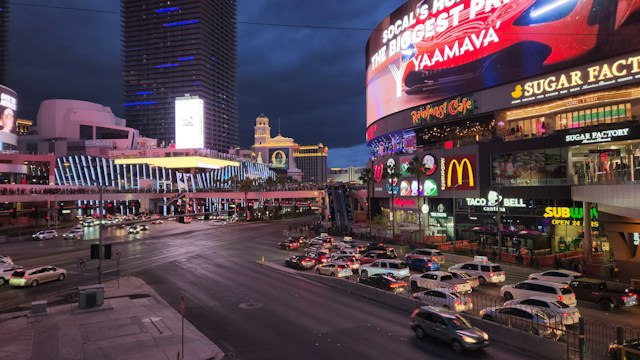
Outdoor LED screens from led3dsignage.sg typically require much higher brightness than indoor displays, often in the range of 4,000 to 8,000 nits, to remain visible against direct sunlight. Indoor screens in brightly lit malls or atriums also need higher output than a screen tucked into a dim corridor. Businesses should consider:
- Ambient light conditions: A screen facing west will deal with intense afternoon sun, while a north-facing screen may need less brightness.
- Viewing distance: Pixel pitch (the spacing between LEDs) should match how close people will typically stand. Tighter pixel pitch is necessary for close-up viewing, while wider pitch works for distances of 20 feet or more.
- Viewing angle: In a corridor or concourse where people approach from the side as often as head-on, a wide horizontal viewing angle prevents the image from washing out for off-center viewers.
Choosing a screen with adjustable brightness settings (auto-dimming based on ambient light sensors) also helps balance visibility with energy efficiency and viewer comfort, since an overly bright screen at night can feel harsh or even distracting to passersby.
Where should an LED screen be placed to maximize visibility and safety?
Placement should balance maximum visibility with pedestrian safety and natural sightlines. The best-performing LED installations are positioned where people naturally pause or where their eye line falls without obstruction, not just wherever wall space happens to be available.
A few placement principles tend to hold true across environments:
- Eye-level or slightly above: Screens positioned too high often get ignored because people aren’t looking up as they walk. Positioning at or slightly above average eye level (roughly 5 to 7 feet depending on the setting) tends to capture more attention.
- Natural pause points: Escalators, elevator lobbies, crosswalks, and queue lines are ideal because people have a few unoccupied seconds to look around.
- Clear sightlines: Avoid placing screens where pillars, signage, or other structures will block the view from common walking paths.
- Safety distance: In pedestrian-heavy zones, screens should never obstruct walkways, emergency exits, or create tripping hazards from mounting hardware or cabling.
It’s also worth considering how the screen interacts with foot traffic flow. A screen near a building entrance captures people on their way in, which suits brand messaging or wayfinding, while a screen near checkout or exit points works better for promotions and calls to action.
How durable does an LED screen need to be for outdoor or public spaces?
LED screens in public, high-traffic areas need an IP (Ingress Protection) rating suited to their environment, along with physical protection against impact, tampering, and temperature extremes. Durability requirements differ significantly depending on whether the screen is indoors, outdoors, or in a semi-exposed area like a covered transit platform.
Key durability factors include:
- IP rating: Outdoor screens typically need at least IP65 protection against dust and water jets, while screens exposed to heavy rain or flooding risk may require IP66 or higher.
- Temperature tolerance: Screens installed in regions with extreme heat or cold need components rated for that range, since LED performance and lifespan degrade faster outside optimal operating temperatures.
- Impact resistance: In areas with heavy pedestrian density, screens should have reinforced or tempered glass/acrylic covers to resist accidental bumps, thrown objects, or vandalism.
- Anti-tamper mounting: Public installations benefit from tamper-resistant hardware and enclosed cabling to deter theft or interference.
Businesses should also factor in maintenance access. A screen mounted 20 feet up requires scaffolding or lift equipment for repairs, while a street-level unit can be serviced more easily but is more exposed to physical contact from passersby.
What kind of content works best on LED screens in busy pedestrian areas?
Content for high-traffic LED screens should be simple, legible at a glance, and designed around short attention spans. Unlike a billboard someone might glance at from a moving car, a pedestrian-facing screen has the advantage of proximity, but that advantage disappears quickly if the content is cluttered or slow to communicate its message.
Effective content strategies include:
- Short-duration messaging: Most passersby will view a screen for only a few seconds, so content should communicate its core message within that window. Rotating slides every 6 to 10 seconds tends to work well for retail and wayfinding content.
- High contrast and large text: Small fonts or low-contrast color combinations are difficult to read at a walking pace. Bold, high-contrast visuals perform better.
- Dayparting: Content can be scheduled to match foot traffic patterns, such as commuter-focused messaging during rush hour and promotional content during lunch or evening peaks.
- Dynamic, data-driven content: Some businesses use sensors or cameras (with appropriate privacy safeguards) to trigger content changes based on weather, time of day, or crowd density, keeping the screen relevant to real-time conditions.
Choose static or slow content if brand consistency and legibility matter more than novelty, such as in a hospital or transit wayfinding system. Choose dynamic, fast-updating content if the goal is to capture attention in a competitive retail or entertainment environment where passersby are bombarded with visual stimuli.
What regulations and permits apply to LED screens in public spaces?
Most municipalities regulate outdoor and public-facing LED signage through zoning laws, brightness limits, and permit requirements, and businesses should confirm compliance before installation to avoid fines or forced removal. These regulations vary significantly by city and even by district within a city, so this step shouldn’t be an afterthought.
Common regulatory considerations include:
- Zoning restrictions: Some areas limit the size, brightness, or even presence of digital signage, particularly near residential zones or historic districts.
- Brightness and light pollution limits: Many jurisdictions cap nighttime luminance to reduce light pollution and glare for drivers and residents.
- Content restrictions: Some areas restrict motion graphics or video content on signage near roadways due to driver distraction concerns.
- Permits and inspections: Electrical and structural permits are typically required for permanent installations, especially for screens mounted on building exteriors or freestanding structures.
Businesses should consult local planning or signage departments early in the project, since redesigning a screen after installation to meet code is far costlier than confirming requirements upfront.
How much does it cost to install an LED screen, and what ongoing costs should businesses expect?
Installation costs vary widely based on screen size, resolution, and location, but businesses should budget for both upfront hardware costs and ongoing expenses like power, maintenance, and content management. A small indoor display might cost a few thousand dollars installed, while a large outdoor video wall in a dense urban area can run into six figures.
Ongoing costs to plan for include:
- Electricity: Larger, brighter screens consume more power, especially if run continuously in high-traffic public areas.
- Maintenance and repairs: Outdoor exposure accelerates wear, so budgeting for periodic servicing, pixel replacement, and cleaning is important.
- Content management software: Many businesses use a content management system (CMS) to schedule and update content remotely, which often comes with a subscription fee.
- Insurance: Public-facing screens may require additional coverage given their exposure to weather, vandalism, or accidental damage.
Getting the Installation Right from the Start
LED screens can be one of the most effective tools for engaging foot traffic, but only when brightness, placement, durability, content strategy, and local compliance are all addressed together. Skipping any one of these considerations tends to show up later as a readability problem, a maintenance headache, or a regulatory fine.
Businesses planning an installation should start by assessing the specific environment: the lighting conditions, the typical walking patterns of pedestrians, and the climate the screen will face. From there, working with an experienced LED display provider or signage consultant can help translate those environmental factors into the right hardware specifications and content strategy. A well-planned screen doesn’t just display information, it becomes a natural part of how people move through and experience a space.
Frequently Asked Questions
How bright should an outdoor LED screen be?
Outdoor LED screens generally need brightness levels between 4,000 and 8,000 nits to remain visible in direct sunlight, though the exact figure depends on the screen’s orientation and surrounding ambient light.
How long do LED screens typically last in outdoor, high-traffic environments?
Most commercial-grade outdoor LED screens last between 50,000 and 100,000 hours of operation, though actual lifespan depends on usage patterns, climate exposure, and maintenance quality.
Do businesses need a permit to install an LED screen outdoors?
In most municipalities, yes. Outdoor and public-facing LED signage typically requires electrical permits and must comply with local zoning and brightness regulations, so businesses should check with their local planning department before installation.
What’s the biggest risk of installing an LED screen without proper planning?
The most common risk is poor visibility, either from inadequate brightness, bad placement, or an unsuitable viewing angle, which results in a screen that fails to capture attention despite the investment.
Are LED screens worth the investment for small businesses?
LED screens can be worth it for small businesses in high-visibility locations, particularly for promotions, wayfinding, or brand messaging. Choose a smaller indoor display if budget is limited and foot traffic is moderate, or invest in a larger outdoor unit if the location sees consistently heavy pedestrian volume.