TL;DR: LED 3D signage combines dimensional lettering, lighting, and motion to create brand displays that capture attention and stick in memory. From backlit channel letters to animated light boxes, the right LED 3D sign can dramatically increase foot traffic, reinforce brand identity, and set a business apart from competitors.
Walk down any busy commercial street and you’ll notice it immediately—some signs disappear into the background while others demand your attention. The difference rarely comes down to size. It comes down to dimension, light, and the way a well-crafted sign interacts with its environment.
LED 3D signage has transformed how businesses communicate at street level. These signs aren’t flat graphics slapped onto a wall. They’re sculptural, luminous, and dynamic—built to create a physical presence that flat print and basic illuminated signs simply can’t match. As LED technology has become more affordable and versatile, businesses of all sizes are using it to build displays that do real marketing work, 24 hours a day.
This post covers the most effective LED 3D signage ideas across industries, explains what makes each format work, and gives you the visual and strategic language to brief your signage provider with confidence.
What Makes LED 3D Signage More Effective Than Traditional Signs?
Traditional signage communicates information. LED 3D signage communicates personality. The distinction matters because modern consumers—especially those in high-footfall retail and hospitality environments—are visually saturated. Static, flat signs rarely register. Three-dimensional signs with LED illumination register immediately, for several reasons:
- Depth creates contrast. A sign that protrudes from a surface draws the eye by disrupting a flat visual field.
- Light direction adds drama. Backlit, front-lit, and halo-lit effects create shadows and gradients that flat signs cannot replicate.
- Dimensional lettering reads at distance. Channel letters and raised logos maintain legibility across greater viewing distances than printed equivalents.
- Illumination extends visibility. LED signs remain highly visible after dark, effectively extending your brand’s active hours without any additional cost.
According to the U.S. Sign Council, businesses that upgrade to illuminated signage report measurable increases in customer inquiries and foot traffic. The dimensional element amplifies that effect by making the sign more memorable, not just more visible.
Channel Letter Signs: The Most Versatile LED 3D Format
Channel letters are individually fabricated three-dimensional letters, each housing its own LED modules. They’re the most widely used form of LED 3D signage for good reason—they’re customizable, durable, and immediately legible.
What are the main types of channel letter signs?
Front-lit channel letters have a translucent face that allows light to shine forward. This is the standard format and works well in most retail, healthcare, and professional service environments.
Halo-lit (or reverse-lit) channel letters are mounted slightly away from the wall surface, with LEDs directed backward. The result is a glowing outline around each letter—sophisticated, subtle, and particularly effective for premium or luxury brands.
Open-face channel letters expose the LED modules directly, creating a vintage neon aesthetic with the reliability and energy efficiency of modern LEDs. This style suits bars, restaurants, and entertainment venues aiming for a retro or artisan look.
Combination channel letters mix front and halo illumination for maximum impact, often used on flagship stores or locations where differentiation is the primary goal.
Backlit Logo Panels and Light Boxes: Bold Brand Presence
For businesses that lead with a logo rather than a name—think automotive dealerships, franchise locations, or tech brands—backlit logo panels offer a clean, high-impact format.
A standard LED light box consists of a fabricated cabinet with a translucent graphic face and LED arrays behind it. The three-dimensional depth of the cabinet creates a sense of substance that flat wall graphics lack. Upgrading to a slimline LED light box with edge-lit acrylic achieves a similar effect in a lower-profile form factor, ideal for interior environments like hotel lobbies or retail concessions.
When the logo itself is fabricated in three dimensions—raised from the surface of the light box face—you get a layered sign that combines depth, illumination, and brand identity into a single cohesive element. This format is particularly effective in white or neutral environments where the sign needs to anchor the visual space.
LED Neon Flex Signs: Personality-Driven Displays
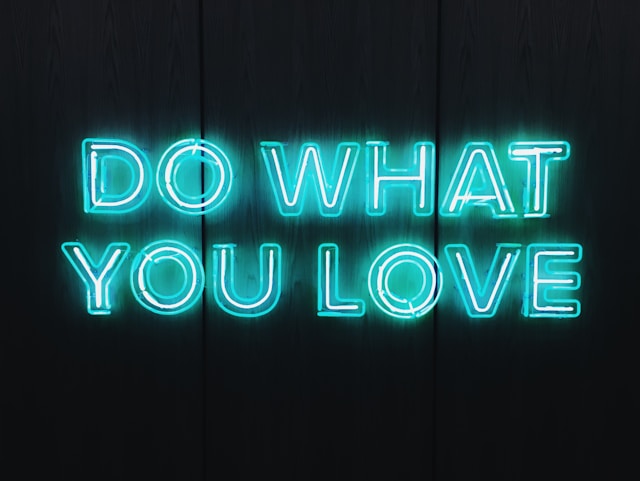
LED neon flex—sometimes called neon-style or flex neon—replicates the visual warmth of traditional glass neon using flexible LED strips shaped into custom forms. The result is a sign with genuine visual character: glowing, continuous line forms in virtually any shape, color, or script.
Where do LED neon flex signs work best?
LED neon flex performs exceptionally well in:
- Hospitality environments — bars, restaurants, cafes, and hotels where ambiance is part of the brand experience.
- Retail fitting rooms and display areas — where an instagrammable moment drives organic social media content.
- Event spaces and activations — as branded backdrops for photography.
- Office reception areas — where a brand statement in the entry zone sets a cultural tone for visitors and employees alike.
A café using a custom LED neon sign shaped like their logo or a brand tagline gives customers a visual cue to photograph and share. That organic content reach is a meaningful secondary benefit that traditional signage cannot generate at the same scale.
3D Fabricated Logos with Integrated LED: Architectural Signage
At the higher end of the LED 3D signage spectrum sit fully fabricated three-dimensional logos—dimensional brand marks or wordmarks built from aluminum, acrylic, or composite materials, with LED illumination integrated at the fabrication stage.
These signs function as architectural elements rather than applied graphics. A hotel fascia, corporate headquarters entrance, or flagship retail store benefits from this treatment because the sign contributes to the building’s identity, not just its wayfinding.
Common configurations include:
- Flush-mounted raised letters with integrated LED return illumination
- Freestanding dimensional logo structures for lobby or forecourt installation
- Blade signs with LED-illuminated 3D logos on both faces
- Pylon signs with fabricated cabinet bodies and three-dimensional brand elements
The fabrication materials matter significantly. Brushed aluminum with halo illumination reads as premium. Painted foam composite letters read as budget-conscious. Acrylic with high-brightness LEDs reads as bold and contemporary. Matching your material choice to your brand positioning is as important as the sign’s physical dimensions.
Programmable LED Matrix Signs and Dynamic Displays
Static LED 3D signs establish brand presence. Programmable LED matrix displays add the element of motion—making them the right choice for businesses with frequently changing messages, promotions, or event schedules.
A dimensional cabinet with a programmable LED matrix face can display scrolling text, image sequences, countdown timers, and temperature-reactive content. Placed in a high-footfall location, a well-managed LED matrix sign operates as a continuous advertising channel.
Retailers use them to promote time-limited offers. Restaurants use them to display daily specials. Car dealerships use them to highlight current finance deals. The sign’s static three-dimensional structure maintains brand presence, while the programmable face carries rotating content—giving one sign the functional range of a campaign poster, a menu board, and a promotional display simultaneously.
Wayfinding and Directory Signs with LED 3D Elements
Large commercial buildings, healthcare campuses, and multi-tenanted retail centers have a practical signage challenge: guiding visitors through complex environments without creating visual clutter. LED 3D signage applied to wayfinding and directory systems solves both the functional and aesthetic challenges at once.
Three-dimensional directional signs with illuminated lettering and LED-lit arrows maintain readability in varied lighting conditions. Internally illuminated directory panels with dimensional tenant name plaques add a layer of visual organization and brand elevation that flat printed directories cannot provide.
In healthcare environments specifically, wayfinding signage must be immediately legible and reassuring. Studies on healthcare environmental design consistently show that clear, well-illuminated wayfinding reduces patient anxiety and improves the overall care experience. LED 3D directional signs contribute meaningfully to that outcome.
How to Choose the Right LED 3D Signage for Your Business
No single format suits every business or location. The right choice depends on several factors working together.
Viewing distance and angle determine the appropriate letter height and depth. Signs viewed from across a street need greater dimensional depth than lobby signs viewed from a few meters.
Brand personality should guide the finishing treatment. A law firm and a craft brewery might both use channel letters, but the font, color, material finish, and illumination method should differ substantially.
Regulatory constraints vary significantly by location. Planning permissions, height restrictions, illumination limits, and heritage zone requirements all affect what’s possible. Engaging a qualified signage fabricator early in the process avoids costly revisions.
Maintenance access is a practical consideration often overlooked. Signs mounted at height require periodic LED maintenance. Specifying a sign with modular, accessible LED arrays reduces long-term servicing costs.
Energy consumption has become increasingly important as businesses manage operational costs. LED technology consumes significantly less energy than traditional fluorescent and neon equivalents—modern LED signs can achieve the same luminous output at 50–70% lower energy draw.
The Lasting Impact of Getting Your Signage Right
A sign is never just a sign. For a business operating in a physical location, exterior and interior signage are the first and most persistent form of brand communication—present every day, in every weather condition, for every person who passes by or walks through the door.
LED 3D signage earns its place in a brand’s marketing investment because it performs that communication with genuine impact. Dimensional depth, precise illumination, and quality fabrication create a visual statement that flat graphics cannot replicate. Across retail, hospitality, healthcare, corporate, and entertainment environments, the businesses that invest in high-quality LED 3D signage consistently present stronger brand presence than those that don’t.
Start by identifying which format aligns with your location, brand positioning, and visual goals. Then work with a fabricator who can translate that brief into a sign that makes people stop, look, and remember.
Frequently Asked Questions About LED 3D Signage
What is LED 3D signage?
LED 3D signage refers to illuminated signs that incorporate dimensional depth—such as raised lettering, fabricated logo structures, or backlit cabinet signs—using LED modules for internal or external illumination. The combination of depth and light creates a visual impact that flat, non-illuminated signs cannot achieve.
How long do LED 3D signs last?
High-quality LED modules typically carry a rated lifespan of 50,000 to 100,000 hours. In practical terms, a sign operating 12 hours per day could maintain consistent illumination for 11 to 22 years before LED replacement is required, though the exact lifespan depends on the quality of components, environmental exposure, and the thermal management built into the sign’s design.
How much does LED 3D signage cost?
Costs vary widely based on sign type, size, materials, and fabrication complexity. Simple channel letter sets for a small retail frontage may start around $1,500–$3,000. Fully fabricated architectural logo signs for corporate or flagship locations can exceed $20,000. Obtaining multiple quotes from qualified fabricators with a clear brief is the most reliable way to establish realistic budget expectations.
Do I need planning permission for an LED 3D sign?
In most jurisdictions, illuminated exterior signs require some form of planning or permitting approval. Requirements vary by location, building type, and sign size. A qualified signage company will typically manage the permitting process as part of the installation service, but confirming this before signing any contract is advisable.
What is the difference between front-lit and halo-lit channel letters?
Front-lit channel letters allow light to shine forward through a translucent face, creating a brightly illuminated letter. Halo-lit (reverse-lit) channel letters direct light backward toward the wall, creating a glowing outline around each letter rather than illuminating the face. Front-lit reads as bold and direct; halo-lit reads as refined and premium.
Can LED 3D signs be used indoors?
Yes. Many LED 3D sign formats are specifically designed for interior use, including reception area logo walls, LED neon flex displays, illuminated directional signs, and dimensional menu boards. Interior LED signs often use lower-brightness LED specifications suited to ambient indoor lighting conditions.