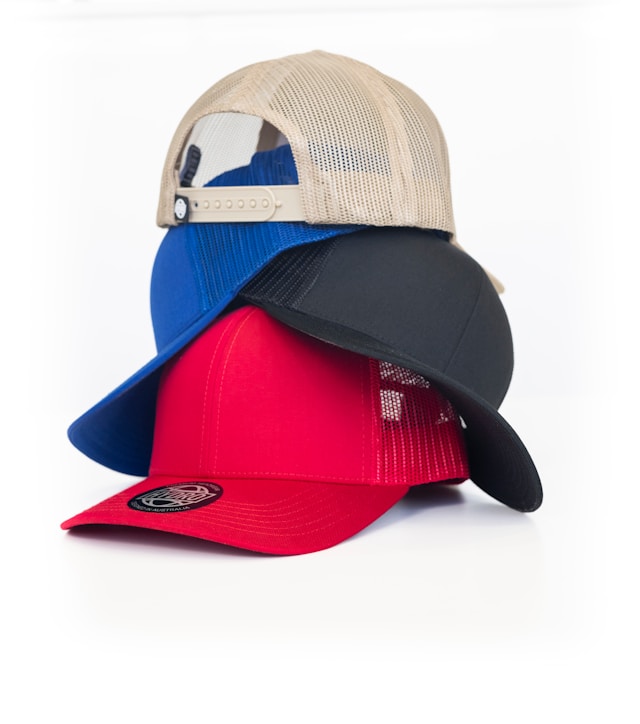
TL;DR: Custom cap printing transforms ordinary headwear into mobile brand advertising. The most effective approaches combine strategic logo placement, the right printing technique for the material, and a design that people actually want to wear—turning customers and employees into walking brand ambassadors.
A well-designed cap doesn’t sit in a drawer. It gets worn to the farmers’ market, the gym, a weekend road trip—places where your brand travels without you spending another dollar on advertising. That’s the quiet power of custom headwear, and it’s why businesses of all sizes, from local coffee shops to global sports brands, keep coming back to it.
But there’s a meaningful difference between a cap that gets worn and one that gets forgotten. That difference usually comes down to design and print execution. Get it right, and you’ve created a piece of merchandise people genuinely want. Get it wrong, and you’ve produced an expensive hat that ends up in the back of a closet.
This guide breaks down the most effective cap printing ideas, the techniques behind them, and the design decisions that determine whether your branded headwear becomes a brand asset or a marketing afterthought.
Why Custom Cap Printing Is One of the Most Efficient Branding Tools Available
Custom caps from Global Asia Printings offer something most advertising formats can’t: repeated, voluntary exposure. A person who wears your branded cap is essentially opting in to promote your brand every time they put it on. According to the Advertising Specialty Institute (ASI), promotional headwear generates an average of 3,136 impressions over its lifetime—more than almost any other promotional product.
That number matters because those impressions happen in the real world, not behind a screen. They’re high-trust, low-cost, and—critically—they don’t require the recipient to be sitting in front of a device.
The catch? None of this works if the cap itself isn’t something people want to wear. Design quality and print technique are the two variables that determine whether your cap delivers on that potential.
What Are the Best Cap Printing Techniques for Brand Merchandise?
Not all printing methods work equally well on headwear. Each technique has strengths, and the right choice depends on your design complexity, budget, order volume, and the cap material itself.
Embroidery: The Gold Standard for Durability and Professionalism
Embroidery remains the most widely used technique for branded caps—and with good reason. Stitched designs hold their shape wash after wash, they don’t crack or fade, and they carry an inherent quality signal that printed alternatives often can’t match.
Embroidery works best for:
- Bold logos with clean lines and limited color gradients
- Corporate merchandise and staff uniforms where longevity matters
- Premium giveaways where quality perception is part of the message
The main limitation is detail. Fine lines, small text, and photorealistic imagery don’t translate well into thread. If your logo has intricate detail, you may need to simplify it before embroidering.
Screen Printing: High Volume, High Impact
Screen printing applies ink directly to the cap’s fabric using a stencil-based process. It’s cost-effective at scale, delivers vibrant flat colors, and suits designs with bold, graphic aesthetics.
The tradeoff is flexibility. Each color in your design requires a separate screen, which increases setup costs and makes screen printing less practical for small runs or multi-color complexity. It also performs better on flat panels (like the front and back of structured caps) than on curved surfaces.
Screen printing is a strong choice for:
- Large promotional orders where cost per unit matters
- Bold, high-contrast designs with two to four colors
- Event merchandise, sports teams, and community organizations
Heat Transfer Printing: Detail Without Compromise
Heat transfer printing uses heat and pressure to bond a printed design to the fabric. Modern digital heat transfer delivers exceptional detail—gradients, photographic imagery, fine typography—without the setup costs of screen printing.
This method suits smaller runs and complex, multi-color artwork. The tradeoff compared to embroidery is longevity: heat transfer prints can crack or peel over time if not cared for correctly, though premium transfer materials have improved significantly in recent years.
Puff Embroidery: Three-Dimensional Brand Presence
Puff embroidery is a variation of standard embroidery that uses foam placed beneath the thread to create a raised, three-dimensional effect. The result is a tactile, eye-catching design that stands out clearly on caps.
This technique works well for bold letters and simple geometric logos. It adds a premium, streetwear-influenced aesthetic that resonates with younger audiences and lifestyle brands.
Direct-to-Garment (DTG) Printing: Full-Color Flexibility
DTG printing uses specialized inkjet technology to print directly onto fabric at full color and high resolution. For caps with complex artwork—illustrated characters, gradient-heavy designs, or photographic elements—DTG offers detail that other methods can’t match.
DTG works best on caps with a flat printable surface and is better suited to cotton materials than synthetics. Setup costs are low, making it viable for small runs or one-off custom orders.
Cap Printing Ideas That Actually Work: Design Concepts by Brand Type
Knowing which technique to use is only half the equation. The design itself determines whether someone reaches for the cap or leaves it on the shelf.
Minimalist Logo Caps for Professional and Corporate Brands
A small, precisely embroidered logo on the front panel—centered or slightly left—is one of the most versatile and consistently effective cap designs. This approach works for corporate gifting, staff uniforms, and client merchandise.
Keep it tight: logo only, one or two colors, clean placement. The cap’s colorway does the heavy lifting. Choose a shade that aligns with your brand palette, and let the restraint signal quality.
Bold Typographic Caps for Lifestyle and Retail Brands
Large, bold lettering across the front panel is a staple of lifestyle branding. Think a single word—your brand name, a slogan, or even a relevant cultural reference—in a strong typeface. Puff embroidery or screen printing both suit this style well.
The key is typeface selection. Custom or modified fonts give your cap a proprietary feel. Generic system fonts undermine the premium quality you’re trying to project.
Tonal and Monochrome Caps for Premium Positioning
Tonal designs—where the thread or print color closely matches the cap’s base color—create a subtle, sophisticated look that appeals to premium audiences. The design is visible but not loud, suggesting confidence rather than noise.
This approach works especially well for brands in fashion, hospitality, wellness, and high-end food and beverage. The understated aesthetic communicates that the brand doesn’t need to shout.
All-Over Printed Caps for Creative and Entertainment Brands
All-over printing wraps your design across the full cap, including the brim and sides. This technique suits brands with a bold visual identity—creative agencies, music acts, gaming companies, and streetwear labels.
The execution requires careful digital pattern design to account for the cap’s seams and panels. When done well, an all-over printed cap functions as wearable art, which significantly increases the likelihood that it gets worn and noticed.
Inside-Print Details for Brands That Value Authenticity
An underutilized idea: printing or embroidering a detail on the inside of the cap—a brand story, a founding date, a meaningful phrase. The wearer discovers it privately, and that discovery creates a moment of connection.
This technique doesn’t replace the exterior design. It complements it, adding a layer of brand personality that rewards attention.
How to Choose Cap Styles That Complement Your Print Design
The cap structure affects both the print outcome and how the finished product is perceived.
Structured caps (like classic baseball caps with a stiff front panel) provide a flat, stable surface ideal for embroidery and screen printing. They suit corporate, sports, and professional brand contexts.
Unstructured caps have a softer profile that drapes naturally on the head. They carry a more casual, lifestyle-oriented aesthetic and tend to suit smaller, subtler designs.
Snapback and fitted caps appeal to streetwear and youth culture markets. They pair well with bold embroidery and puff designs.
Dad hats (unstructured, low-profile with a curved brim) have remained popular for years because they’re comfortable and versatile. Their softer silhouette suits minimalist and tonal designs particularly well.
Selecting the right combination of cap style and printing technique—before committing to a final design—saves significant cost and prevents the frustration of a great design that doesn’t translate well to the chosen format.
Common Cap Printing Mistakes Worth Avoiding
Even experienced merchandisers make avoidable errors. Here are the most common ones:
- Overloading the design. A cap has limited printable real estate. Trying to include too much—logo, tagline, website, social handle—produces visual clutter that dilutes the impact of each element.
- Choosing technique before design. Design decisions should inform technique choice, not the other way around. A design built for screen printing will often fail as embroidery.
- Ignoring thread or ink color contrast. Low contrast between design and cap color makes even a well-executed print hard to see. Always review contrast in your mockup before approving production.
- Skipping the sample. For significant orders, always request a physical sample before full production. On-screen mockups don’t fully capture how embroidery textures or ink colors behave on the actual material.
Turning Your Cap Into a Complete Merchandise Strategy
A single cap design is a starting point. The brands that extract the most value from custom headwear treat it as part of a cohesive merchandise ecosystem—coordinated with t-shirts, tote bags, and other items that share a visual language.
Consistency across merchandise pieces reinforces brand recognition. When every item feels like it belongs to the same family, the overall impression is significantly stronger than any individual product on its own.
Cap printing also integrates well with tiered merchandise strategies. A premium embroidered cap for VIP customers or long-term employees signals appreciation in a way that digital rewards simply can’t replicate. A more affordable screen-printed version for event giveaways extends reach without diluting the premium tier.
Make Your Next Cap the One People Actually Wear
The gap between a cap that gets worn and one that gets shelved usually comes down to a handful of decisions: the right technique for the design, the right design for the audience, and the right cap style for the intended context. None of these decisions are complicated once you understand the variables involved.
Start with your brand’s visual assets and ask honestly whether they translate to headwear. Simplify where needed. Choose a cap style that suits your audience. Then select the printing technique that best serves the design—not the cheapest option by default.
Done thoughtfully, a custom-printed cap delivers brand visibility long after the initial investment. Few marketing channels offer that kind of sustained, voluntary exposure.
Frequently Asked Questions About Cap Printing
What is the best cap printing method for small orders?
For small orders (typically under 24 units), direct-to-garment (DTG) printing or digital heat transfer are the most practical options because they have minimal setup costs. Embroidery also works well for small runs and is widely available through most custom merchandise suppliers.
How much does custom cap printing cost per unit?
Cost varies significantly by technique, order volume, and design complexity. Screen printing typically starts at $8–$15 per unit for larger orders, while embroidery ranges from $10–$25 per unit depending on stitch count. DTG and heat transfer fall between these ranges. Per-unit costs decrease meaningfully as order volume increases.
Can any logo be embroidered on a cap?
Most logos can be embroidered, but highly detailed designs—fine lines, small text, complex gradients—often need to be simplified first. A professional digitizer will convert your artwork into an embroidery file and advise on any adjustments needed to ensure the design stitches cleanly.
What cap style is most popular for branded merchandise?
Structured baseball caps and unstructured dad hats are consistently the most popular styles for branded merchandise. Structured caps suit corporate and sports contexts; dad hats appeal to lifestyle, creative, and youth-oriented brands. Snapbacks remain popular in streetwear-influenced markets.
How long does custom cap printing typically take?
Turnaround times vary by supplier and technique. Standard orders typically take 10–15 business days from artwork approval to dispatch. Rush orders may be available for an additional fee. Always confirm lead times before committing, especially for event-specific merchandise.
Is embroidery or screen printing better for cap merchandise?
Embroidery is better for longevity, perceived quality, and designs with bold, clean shapes. Screen printing is better for flat, high-contrast graphic designs produced in large volumes. The right choice depends on your design, budget, order size, and the impression you want to make. If durability and premium feel are priorities, embroidery is generally the stronger choice.
