TL;DR: Cap printing has evolved far beyond basic embroidery and screen printing. Today’s top trends — including tonal embroidery, puff printing, laser etching, and sustainable materials — give teams and brands a distinctive edge. Choosing the right technique depends on your aesthetic goals, budget, and the message you want your headwear to send.
A cap is rarely just a cap. For sports teams, it’s a badge of unity. For brands, it’s a walking billboard. For creators and small businesses, it’s merchandise that tells a story before a single word is spoken.
The problem? Most caps look the same. Stock fonts, flat embroidery, generic colorways — they blend into the background rather than standing out from it. The good news is that cap printing and decoration techniques have advanced significantly, giving brands and teams more creative options than ever before.
This guide breaks down the cap printing trends making waves right now, what makes each one work, and how to decide which approach fits your brand’s identity. Whether you’re outfitting a sports team, launching a merchandise line, or refreshing your company’s branded gear, these trends are worth knowing.
What Are the Biggest Cap Printing Trends Right Now?
Tonal and Tone-on-Tone Embroidery
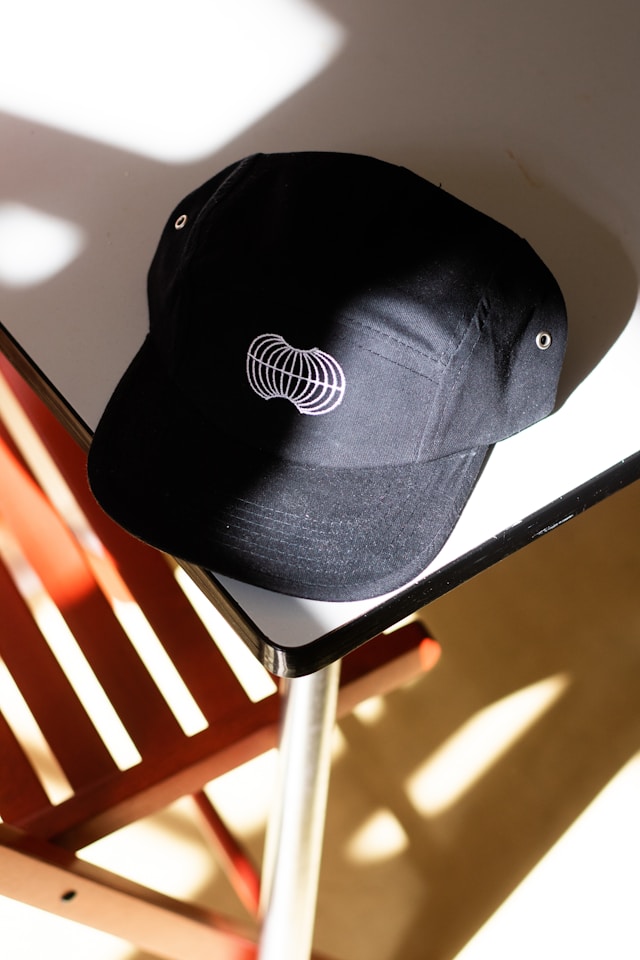
Tone-on-tone embroidery uses thread that closely matches the cap’s base fabric color. The result is a subtle, textured logo that feels more premium and understated than traditional high-contrast designs.
This approach works particularly well for lifestyle brands, luxury streetwear labels, and companies that want their headwear to feel refined rather than loud. The branding is still there — you just have to look for it, which adds an air of exclusivity.
The key to pulling it off? High-quality fabric and tight stitch density. On low-grade caps, tone-on-tone can look unintentional. On structured wool or premium cotton twill, it looks intentional and polished.
Puff Embroidery for a Bold, Three-Dimensional Effect
Puff embroidery uses foam placed underneath the thread to create a raised, three-dimensional design. It’s been a staple in streetwear and sneaker culture for decades — think New Era’s iconic New York Yankees caps from the ’90s — and it’s made a strong comeback.
The texture and depth puff embroidery creates make logos and lettering feel tactile and visually striking. Bold, blocky fonts and simple geometric logos work best with this technique, as fine details can get lost in the raised stitching.
Puff embroidery suits brands leaning into retro aesthetics, sports teams wanting a classic athletic look, and merchandise drops where visual impact matters.
Laser Etching and Engraving on Leather and Suede Patches
Laser etching involves using a laser to burn a precise design into a material — most commonly a leather or suede patch that’s then sewn onto the cap front.
The precision of laser technology means highly detailed logos, fine typography, and intricate patterns are all achievable. The result has a handcrafted, artisanal quality that mass-produced caps simply can’t replicate.
Brands in the outdoor, workwear, and craft beverage spaces have been particularly quick to adopt this technique. A leather patch on a structured six-panel cap communicates durability and authenticity — values that resonate with customers in those categories.
Laser-etched patches also age well. As the leather develops a patina over time, the cap becomes more distinctive, not less.
Screen Printing and DTF (Direct-to-Film) for Vibrant Color
Embroidery dominates cap decoration, but screen printing and the newer Direct-to-Film (DTF) transfer method are gaining ground — especially for brands that need to reproduce complex, multi-color artwork or photorealistic graphics.
DTF printing involves printing a design onto a special film, which is then heat-transferred onto the cap. Compared to traditional screen printing, DTF handles gradients, fine lines, and detailed imagery with greater accuracy. It’s also more cost-effective for small runs, since it doesn’t require the screen setup costs that traditional screen printing does.
The trade-off is durability. DTF transfers don’t breathe as naturally as embroidery and can crack or peel if not cared for properly. For fashion-forward or limited-edition drops where longevity is less of a concern, that’s an acceptable compromise. For workwear or team gear that takes daily abuse, embroidery typically holds up better.
Woven Labels and Woven Patches
Woven patches are distinct from embroidered ones — instead of stitching a design onto a separate piece of fabric, the design is woven directly into the patch material itself. The result is incredibly detailed, with clean lines and consistent color reproduction.
These patches are particularly popular with brands looking to convey craftsmanship and heritage. Because the design is part of the fabric rather than sitting on top of it, woven patches have a refined, built-in quality that embroidered patches sometimes lack.
They also photograph beautifully, which matters more than ever for brands selling merchandise online.
Vintage Washing and Distressing
Technique and texture don’t only apply to how a design is applied — they also apply to how the cap itself is treated before or after decoration.
Vintage washing processes deliberately age a cap, creating faded colors, soft texture, and that worn-in feel that new caps can’t fake. Distressing adds fraying, staining, or structural irregularities for an even more weathered look.
Combined with tonal embroidery or a simple woven patch, a distressed cap feels like something with history behind it. For brands built around nostalgia, craftsmanship, or Americana aesthetics, this approach creates a strong and cohesive visual identity.
How to Choose the Right Cap Printing Technique for Your Brand
What Does Your Brand’s Visual Identity Demand?
Start with your existing brand identity. A minimalist tech startup and a craft brewery have different visual languages — and their caps should reflect that.
Minimalist brands tend to benefit from tone-on-tone embroidery or laser-etched leather patches. High-energy sports teams typically suit puff embroidery or bold screen prints. Brands with detailed, illustrative logos often get the best results from DTF transfers or woven patches.
Your cap decoration with Global Asia Printings should feel like a natural extension of your brand, not an afterthought applied to a generic product.
Does Cap Structure Affect Which Printing Technique Works Best?
Yes — and this is an important consideration that often gets overlooked.
Structured caps (like classic six-panel baseball caps and snapbacks) hold embroidery better than unstructured caps, because there’s a firm front panel to back the stitching. Unstructured caps, like dad hats, have a softer, more relaxed profile. Heavy puff embroidery on an unstructured cap can cause the front panel to droop, distorting the design.
Leather and suede patches work well on both structured and unstructured styles, while DTF and screen printing are most often applied to panels rather than the bill.
What’s Your Budget and Order Quantity?
Different techniques have different cost structures. Embroidery, once the digitizing fee is paid, scales well for large orders. DTF is more economical for small runs since it avoids setup costs. Laser-etched leather patches often involve a higher per-unit cost but can be ordered in relatively small quantities.
For teams ordering 20–50 caps, DTF transfers or woven patches are often the most cost-effective way to achieve a high-quality result. For corporate orders of 200+, embroidery typically becomes the most economical option at scale.
Cap Styles That Are Trending Alongside These Techniques
Decoration technique and cap style work together to shape the final impression. Some of the styles gaining traction alongside these printing trends include:
- Corduroy six-panels: The textured fabric pairs beautifully with tonal embroidery and woven patches, giving off a tactile, considered aesthetic.
- Wool blend caps: A premium feel that elevates tone-on-tone embroidery and works well for brand merchandise with a fashion-forward angle.
- Bucket hats: Increasingly popular as a canvas for all-over screen printing, photorealistic DTF graphics, and bold embroidery.
- Trucker caps: The foam-front panel is ideal for puff embroidery, and the mesh back gives the design room to breathe.
What Makes a Cap Design Actually Work?
Good cap decoration comes down to three things: simplicity, contrast, and scale.
Simplicity matters because caps are small. A logo that looks great on a poster or a t-shirt often needs to be simplified before it translates well to a cap front. Fine lines, small text, and complex color gradients can all get lost in translation.
Contrast — or the deliberate absence of it in tone-on-tone designs — determines legibility. A dark logo on a dark cap needs careful execution to remain readable. A bright logo on a neutral cap is more forgiving.
Scale refers to how large or small the design sits on the cap panel. Oversized logos that stretch edge to edge read as bold and modern. Smaller, centered logos feel more classic and understated. Neither is inherently better — the right choice depends entirely on the brand.
Make Your Caps Work Harder for Your Brand
The most effective branded caps aren’t just functional accessories — they’re pieces people actually want to wear. That means sweating the details: the cap style, the decoration technique, the colorway, and how all of those elements connect back to a brand’s identity.
The trends outlined here — tonal embroidery, puff embroidery, laser-etched patches, DTF printing, woven labels, and vintage distressing — each offer distinct aesthetic possibilities. The best approach is to identify which technique aligns with your brand’s visual language, then find a printing partner who specializes in that method.
A well-executed cap builds brand recognition in places a business card or a social media post simply can’t reach.
Frequently Asked Questions
What is the most durable cap printing method?
Embroidery is generally the most durable cap decoration method. Because the design is stitched directly into the fabric, it withstands washing, sun exposure, and daily wear better than heat-transfer methods like DTF. Laser-etched leather patches also hold up extremely well over time.
What cap printing method works best for small orders?
Direct-to-Film (DTF) transfers are typically the most cost-effective option for small orders of under 50 caps, as they don’t require the setup costs associated with traditional screen printing or embroidery digitization fees.
Can you combine multiple decoration techniques on one cap?
Yes. Many brands combine techniques for a layered effect — for example, a puff embroidered front logo with a woven label on the side, or a laser-etched leather patch paired with an embroidered back hit. Combining techniques adds complexity to the production process but can significantly enhance the finished product’s perceived quality.
What logo formats work best for cap embroidery?
Vector files (such as .AI, .EPS, or .SVG) are preferred by most cap decorators because they can be scaled without loss of quality. For embroidery specifically, the decorator will typically convert your artwork into a digitized stitch file — a process that works best when the original logo is clean, high-resolution, and not overly complex.
How do I ensure my cap design looks good across multiple colorways?
Test your design against both light and dark fabric swatches before committing to a full production run. For embroidery, request a physical sample. For DTF and screen printing, request a digital proof on a mockup that matches your cap’s color as closely as possible.
