Quick answer: The top HDB interior design trends in Singapore focus on maximizing space and enhancing comfort through Japandi aesthetics, biophilic elements, and open-concept layouts. Homeowners are prioritizing smart storage solutions, multi-functional furniture, and warm neutral color palettes to transform standard public housing into personalized, luxurious living spaces.
Singapore’s public housing system has evolved significantly over the past few decades. Today, a Housing & Development Board (HDB) flat represents a blank canvas for homeowners eager to express their personal style. With rising affluence and a growing appreciation for architectural aesthetics, flat owners are moving away from cookie-cutter layouts. Instead, they are embracing innovative design solutions that elevate their everyday living experience.
The shift towards highly customized HDB interior design is driven by a desire to create sanctuaries away from the bustling city. Space constraints in modern Build-To-Order (BTO) flats challenge designers to think creatively. A typical four-room BTO flat spans roughly 90 square meters, requiring meticulous spatial planning. Homeowners want their flats to look visually stunning while functioning seamlessly to support remote work, family gatherings, and personal relaxation.
Navigating the landscape of home renovation requires an understanding of current aesthetic movements and practical considerations. By examining the styling trends currently dominating the local market, homeowners can make informed decisions about their own spaces. This guide explores the most prominent interior design styles taking over Singapore flats, effective space-saving strategies, and essential criteria for selecting the right renovation approach.
What are the most popular HDB interior design styles in Singapore?
Singaporean homeowners are gravitating toward design languages that promote tranquility and visual harmony. The following styles dominate the current interior design market.
How does Japandi design blend comfort and minimalism?
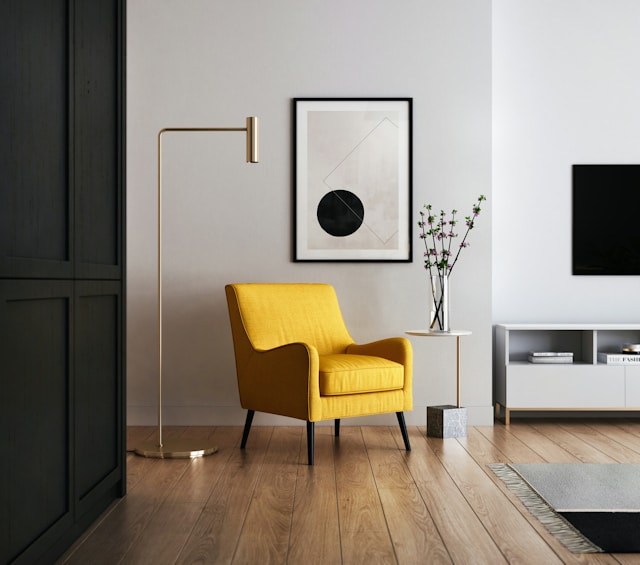
Japandi design represents a fusion of Japanese minimalism and Scandinavian functionality. This style emphasizes clean lines, natural materials, and an uncluttered environment. Japandi focuses on craftsmanship and tactile textures, utilizing materials like light oak, rattan, and linen. For HDB flat owners, Japandi offers a visually light aesthetic that makes small rooms feel more expansive. Homeowners should choose Japandi design if creating a calming, distraction-free environment matters more than displaying extensive decorative collections.
Why is biophilic design gaining traction in high-rise flats?
Biophilic design integrates natural elements into the built environment to foster a connection with nature. In Singapore’s dense urban landscape, incorporating greenery indoors provides a psychological respite. This trend manifests through indoor vertical gardens, maximizing natural sunlight, and using organic materials like stone and wood. Designers often incorporate large potted plants, such as the Monstera Deliciosa or Ficus Lyrata, to serve as focal points in the living room. Biophilic design improves indoor air quality and introduces vibrant color into otherwise neutral spaces.
What defines the modern luxury aesthetic in public housing?
The modern luxury trend brings the sophistication of a high-end hotel into an HDB flat. This style relies on sophisticated material palettes, including marble accents, brass or gold metallic finishes, and dark, moody wood tones. Lighting plays a crucial role in modern luxury interiors, with ambient cove lighting and statement chandeliers establishing an elegant atmosphere. To achieve this look without overwhelming a modest floor plan, designers recommend applying luxurious materials strategically, such as a single marble-clad feature wall or custom fluted glass room dividers.
How can homeowners maximize space in small HDB interiors?
Effective spatial planning is the foundation of any successful HDB interior design renovation. Homeowners must optimize every square meter to ensure the flat remains comfortable and functional.
What are the benefits of open-concept living areas?
Hacking non-load-bearing walls is a common practice to create open-concept living spaces. By removing the physical barrier between the kitchen and the living room, natural light penetrates deeper into the flat. This layout promotes social interaction, allowing individuals to cook while engaging with family members in the adjacent seating area. An open-concept layout requires rigorous organization, as the kitchen remains visible at all times. Choose an open-concept kitchen if frequent entertaining is a priority; opt for a semi-enclosed glass partition if heavy cooking and grease management are primary concerns.
How do smart storage solutions eliminate visual clutter?
Clutter quickly diminishes the appeal of a beautifully designed home. Custom carpentry allows homeowners to integrate storage seamlessly into the architecture of the flat. Platform beds with hidden compartments, built-in wardrobes that reach the ceiling, and flush cabinetry conceal everyday items. A popular technique involves designing a continuous feature wall in the living room that masks structural pillars while hiding multimedia cables, shoe racks, and household appliances.
Why is multi-functional furniture essential for BTO flats?
Purchasing furniture that serves dual purposes maximizes floor space. Extendable dining tables accommodate large gatherings and fold away for daily use. Sofa beds provide sleeping arrangements for guests without requiring a dedicated guest room. Nests of tables and ottomans with internal storage compartments offer flexibility. When selecting furniture for a BTO flat, prioritize pieces with slender legs and low profiles, as these allow light to pass underneath and create the illusion of a larger room.
Which color palettes work best for Singaporean HDB flats?
Color profoundly influences the mood and perceived size of a room. Selecting the right palette is critical for achieving the desired interior atmosphere.
How do warm neutrals create the illusion of space?
Warm neutral colors, such as beige, taupe, and off-white, reflect natural light efficiently. Painting walls and ceilings in these shades blurs the boundaries of a room, making low ceilings appear higher and narrow corridors feel wider. Unlike stark, cool whites that can feel sterile, warm neutrals create a cozy and inviting backdrop. This palette pairs exceptionally well with natural wood textures and soft textile furnishings, forming the basis of the Japandi and Minimalist design styles.
What is the role of bold accent colors in flat design?
While neutrals dominate the overall canvas, bold accent colors inject personality and depth. Deep emerald greens, navy blues, and terracotta shades are frequently used to highlight specific architectural features, such as an entryway arch or a bedroom headboard wall. Using dark colors sparingly creates contrast and visual interest without making the entire flat feel claustrophobic. Homeowners can also introduce accent colors through easily changeable elements, such as throw pillows, rugs, and artwork.
What are the cost considerations for HDB interior design renovations?
Budgeting accurately prevents financial strain during the renovation process. Understanding where to allocate funds ensures the highest return on investment.
How much should homeowners budget for a BTO flat renovation?
The cost of renovating an HDB flat varies widely based on the extent of custom carpentry, material selections, and the size of the unit. A standard renovation for a four-room BTO flat typically ranges from $40,000 to $60,000 SGD. This budget usually covers essential masonry work, basic custom cabinetry for the kitchen and master bedroom, plumbing, electrical wiring, and painting. Extensive hacking of walls or the selection of premium materials like natural marble will push the budget significantly higher.
How can homeowners balance quality and affordability?
Achieving a high-end look on a moderate budget requires strategic material substitution. Instead of natural hardwood floors, homeowners can install high-quality vinyl flooring, which mimics the appearance of wood while offering superior water resistance and durability. Similarly, engineered quartz countertops provide the luxurious look of natural stone but require less maintenance and cost less. Homeowners should invest the majority of their budget in high-traffic areas and heavily utilized installations, such as kitchen cabinetry and bathroom fixtures, where durability is paramount.
Start Your HDB Transformation Journey
Renovating an HDB flat is a highly rewarding endeavor that significantly improves your daily quality of life. By understanding the current design trends, prioritizing efficient spatial planning, and making informed decisions about materials and colors, you can create a home that is both beautiful and highly functional. Take the time to interview multiple interior design firms, review their past portfolios, and establish a clear communication framework before commencing any physical work. Careful planning and a well-defined aesthetic vision will ensure your new flat serves as a comfortable, stylish sanctuary for years to come.
Frequently Asked Questions
Do I need a permit to hack walls in my HDB flat?
Yes, any demolition or hacking of walls within an HDB flat requires prior approval from the Housing & Development Board. Homeowners must engage a registered renovation contractor to submit the necessary structural plans. Hacking load-bearing walls is strictly prohibited, as it compromises the structural integrity of the entire residential block.
How long does a typical HDB renovation take to complete?
A standard BTO flat renovation typically requires eight to twelve weeks from the commencement of physical work. Resale flat renovations often take longer, averaging twelve to sixteen weeks, due to the additional time required to demolish existing structures, hack old tiles, and update aging plumbing and electrical systems.
What is the difference between an interior designer and a renovation contractor?
An interior designer provides comprehensive spatial planning, 3D visual renderings, project management, and aesthetic conceptualization. They handle the coordination of various tradesmen. A renovation contractor focuses strictly on executing specific construction tasks based on instructions provided by the homeowner. Choose an interior designer if you require creative guidance and project management; choose a contractor if you already have a finalized design plan and wish to oversee the project yourself.
How can I make my HDB flat look brighter without adding more lights?
To increase brightness without installing additional electrical fixtures, use large strategically placed mirrors to bounce existing natural light across the room. Opt for glossy or satin finishes on cabinetry to reflect light, keep window treatments sheer and minimal, and paint the walls and ceilings in light, warm neutral shades.
Are built-in furniture pieces better than loose furniture for small flats?
Built-in furniture is generally better for maximizing storage in small flats because it utilizes every inch of available space, including awkward corners and vertical heights. However, built-in carpentry is permanent and more expensive. Loose furniture offers flexibility to reconfigure the layout in the future but may leave small, unusable gaps that collect dust.