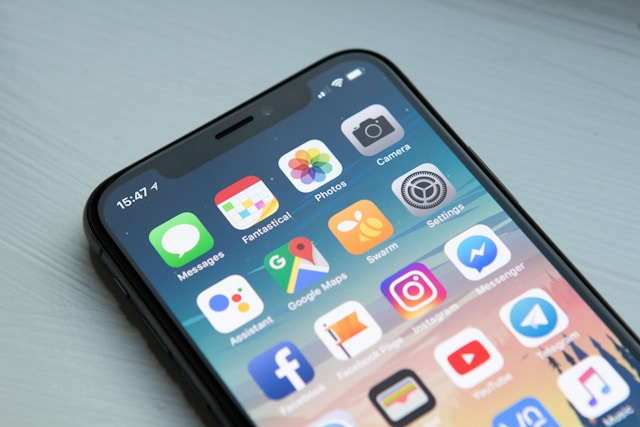
We have all been there. You pick up your phone to check a single message, and suddenly an hour has vanished. You find yourself deep in a feed of short videos, swiping through endless photos, or playing just one more level of a puzzle game. It often feels like a failure of personal willpower.
However, blaming your own lack of discipline ignores the reality of modern software creation. Behind every screen you interact with sits a team of mobile application developers, data scientists, and behavioral psychologists. Their primary goal is often to maximize user retention and engagement, ensuring you spend as much time on their platform as possible.
A mobile application developer uses specific design frameworks and psychological principles to capture and hold human attention. Understanding these mechanics reveals exactly why certain digital experiences feel incredibly difficult to put down. By examining the tools and strategies used to build these platforms, you can begin to make more mindful choices about your digital habits.
The Psychology Behind the Screen
To understand why apps capture our attention so effectively, we have to look at how our brains process reward and pleasure. Developers often rely on behavioral psychology to guide their user interface decisions.
The dopamine loop
Dopamine is a neurotransmitter that plays a major role in how we feel pleasure. It is often misunderstood as simply a “feel-good” chemical. In reality, dopamine is heavily involved in anticipation and motivation. Your brain releases a surge of dopamine right before you get a reward, which encourages you to take action.
When mobile application developers design a notification system, they are tapping directly into this dopamine loop. The ping of a new message or the red badge on an app icon signals that something interesting is waiting for you. This anticipation drives you to open the app, completing the loop and reinforcing the behavior for the next time.
The power of variable rewards
Psychologist B.F. Skinner discovered that animals respond most strongly to “variable ratio schedules.” If a lab rat presses a lever and gets a treat every single time, it eventually gets bored. If it presses the lever and gets a treat at random, unpredictable intervals, it will keep pressing the lever obsessively.
Social media feeds operate on this exact principle. When you pull to refresh your feed, you never know what you are going to get. It might be a mundane update from a distant acquaintance, or it might be a highly engaging, hilarious video. This unpredictability turns the app into a digital slot machine, making it incredibly difficult to look away.
Design Choices That Keep You Scrolling
Psychological principles need a vehicle to reach the user. Mobile application developers use specific user interface (UI) and user experience (UX) elements to keep you engaged.
Infinite scroll and frictionless navigation
Before infinite scroll was invented, websites used pagination. You would read a list of items, reach the bottom of the page, and have to actively click “Next Page” to continue. That physical click acted as a stopping cue, giving your brain a moment to decide if it wanted to keep reading.
Modern apps remove this friction entirely. Infinite scroll automatically loads new content as you move down the screen, eliminating natural stopping points. The transition from one piece of content to the next is entirely seamless. Without these built-in breaks, users can consume content for hours without making a conscious decision to continue.
Strategic use of color and notifications
Color psychology is a powerful tool in app design. Notice how most notification badges are a bright, urgent red. Red signals importance and demands immediate attention. If those same badges were a muted gray or soft blue, you would feel far less urgency to clear them.
Developers also carefully time push notifications to maximize engagement. They use algorithms to determine exactly when you are most likely to open the app. If you usually check your phone during a lunch break or right before bed, the platform will learn this pattern and send notifications to intercept your attention during those specific windows.
Gamification and streaks
Gamification involves taking elements from game design and applying them to non-game contexts. Language learning apps, fitness trackers, and even personal finance tools use these mechanics to build habits.
The “streak” feature is one of the most effective examples. When an app tracks how many consecutive days you have logged in, you develop a sense of investment. Breaking a 100-day streak feels like a significant loss. This psychological phenomenon, known as loss aversion, compels users to open an app daily just to keep their streak alive, even if they have no other immediate reason to use the software.
How Mobile Application Developers Build Habits
Author Nir Eyal outlines a highly effective framework for building habit-forming products called the “Hook Model.” Many successful apps follow this four-step process to ensure users keep coming back.
The Trigger
Every habit starts with a trigger. External triggers are obvious, like a push notification, an email, or a friend mentioning an app. Over time, these external triggers are replaced by internal triggers. The app becomes associated with a specific emotion or routine. If you feel lonely, you might open a social network. If you feel bored, you might launch a game. When the urge to open the app comes from your own internal state, the habit is fully formed.
The Action and Reward
The action is the simple behavior done in anticipation of a reward, like scrolling a feed or swiping on a profile. The reward must fulfill the user’s need while leaving them wanting more. As discussed earlier, these rewards are highly variable, ensuring the user remains engaged and curious about what comes next.
The Investment
The final step of the Hook Model requires the user to put something into the app. This could be time, data, effort, social capital, or money. When you build a playlist, upload photos, or gain followers, you are investing in the platform. This investment makes it much harder to leave the app behind, as abandoning the platform means abandoning the effort you have put into it.
Ethical Considerations for App Creators
As the public becomes more aware of these design mechanics, a conversation about digital ethics has emerged. Tech companies are facing pressure to prioritize the mental health and well-being of their users.
We are beginning to see a shift toward “time well spent” design philosophies. Some mobile application developers are introducing features that help users manage their screen time, such as usage dashboards, focus modes, and gentle reminders to take a break. While engagement remains a primary metric for success, there is a growing recognition that maximizing screen time at the expense of user health is not a sustainable business model.
Frequently Asked Questions
Why do some apps feel more addictive than others?
Apps that rely heavily on variable rewards, social validation, and infinite content streams tend to be the most engaging. Social media platforms and games are highly optimized to trigger dopamine releases, making them feel much harder to put down than utility apps like calculators or weather trackers.
How can I stop spending so much time on my phone?
Start by managing your triggers. Turn off non-essential push notifications to prevent the phone from constantly demanding your attention. You can also change your screen to grayscale, which makes the interface less stimulating. Finally, try moving your most distracting apps off your home screen so you have to actively search for them.
Do mobile application developers intentionally make apps addictive?
Most developers do not set out with malicious intent. Their goal is to build a successful product that people love to use. In the digital economy, success is measured by user retention and engagement. The drive to improve those metrics naturally leads developers to use psychological principles that maximize attention.
Taking Back Control of Your Digital Habits
Technology is an incredible tool that connects us, entertains us, and makes our work more efficient. However, the platforms we use daily are not neutral environments. They are carefully constructed ecosystems designed to keep us engaged for as long as possible.
By understanding the mechanics behind infinite scrolling, variable rewards, and the dopamine loop, you can start to observe your own digital habits objectively. You can recognize when an app is trying to pull you in and choose whether or not to engage. Take a few minutes today to review your notification settings, set app time limits, and curate your home screen. Small adjustments to your device can create significant improvements in how you spend your time and focus your attention.