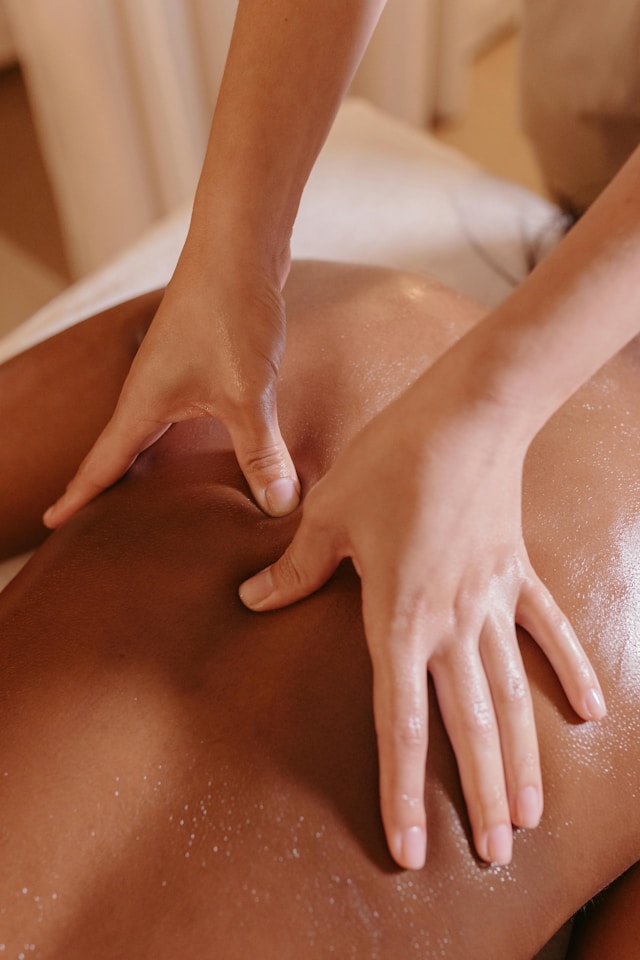
We often dismiss the physical aches and mental exhaustion that accumulate throughout the week. You might blame a stiff neck on a bad pillow or attribute your low energy to a busy schedule. Ignoring these physical cues can lead to worsening discomfort over time. Your body constantly communicates its needs, but tuning out those signals is surprisingly easy.
A full body massage from Kelly Oriental is frequently categorized as a luxury or a rare treat reserved for vacations and spa days. However, therapeutic touch offers profound health benefits that go far beyond basic relaxation. Regular bodywork serves as a preventative healthcare measure, helping to maintain muscle elasticity, improve circulation, and regulate stress hormones.
Recognizing the early warning signs of physical distress can prevent minor aches from developing into chronic pain conditions. When you learn to listen to your body, you can take proactive steps to restore balance and alleviate tension. Below, we explore the most common indicators that your body is crying out for a full body massage.
You Experience Chronic Muscle Tension
Muscle tension is one of the most obvious physical signs that you need a massage. Day-to-day activities put significant strain on specific muscle groups, leading to tightness and discomfort.
Neck and Shoulder Stiffness
Hours spent hunched over a laptop or looking down at a smartphone create enormous pressure on your cervical spine and surrounding muscles. This sustained posture shortens the chest muscles and overstretches the upper back. A skilled massage therapist can target these specific areas, applying pressure to release knots and restore normal muscle function.
Lower Back Aches
Prolonged sitting, heavy lifting, or even sleeping in an awkward position can trigger lower back pain. When the muscles in your lower back become tight, they restrict blood flow and limit your mobility. Massage therapy helps increase circulation to this region, delivering vital nutrients and oxygen that facilitate healing and reduce inflammation.
Your Sleep Quality is Suffering
Restful sleep is foundational to good health. If you are tossing and turning at night, your physical state might be to blame.
Trouble Falling Asleep
Racing thoughts and a tense body make transitioning into the first stage of sleep incredibly difficult. Physical discomfort acts as a constant distraction, keeping your nervous system in a state of high alert. A full body massage promotes the release of serotonin. This neurotransmitter is a precursor to melatonin, the hormone responsible for regulating your sleep cycle.
Waking Up Exhausted
Sometimes you manage to sleep for eight hours but still wake up feeling completely drained. This often happens because muscle tension prevents you from entering the deep, restorative phases of sleep. By relaxing the physical body through massage, you encourage your brain to follow suit, leading to deeper and more rejuvenating rest.
You Feel Constantly Stressed or Anxious
Mental and physical health are deeply connected. High levels of psychological stress manifest physically, creating a vicious cycle of anxiety and tension.
The Physical Impact of Stress Hormones
When you experience stress, your body pumps out cortisol and adrenaline. These hormones prepare you for a “fight or flight” response, causing your heart rate to spike and your muscles to contract. Living in a constant state of elevated stress takes a massive toll on your immune system and overall wellbeing.
How Massage Lowers Cortisol
Therapeutic touch has been scientifically shown to reduce cortisol levels in the body. Simultaneously, it boosts the production of dopamine and endorphins. This biochemical shift leaves you feeling calmer, more centered, and better equipped to handle daily challenges.
You Have Frequent Headaches
Many people rely on over-the-counter painkillers to manage headaches. While medication offers temporary relief, it often fails to address the root cause of the pain.
Understanding Tension Headaches
Tension headaches often originate in the neck, upper back, or jaw. When these muscles become excessively tight, they refer pain up into the head. A full body massage that includes targeted work on the neck and cranial region can release this muscular grip. Relieving this physical tension frequently reduces both the severity and frequency of these headaches.
Your Posture is Deteriorating
Good posture requires balanced muscle strength and flexibility. When certain muscles are tight and others are weak, your structural alignment suffers.
The Impact of Desk Work
Sitting at a desk for forty hours a week inevitably affects your posture. Your shoulders round forward, your head protrudes, and your hip flexors shorten. Massage therapy helps stretch and lengthen the muscles that pull your body out of alignment. Once these tight areas are released, maintaining an upright, healthy posture requires much less effort.
Your Range of Motion is Limited
You should be able to move your body freely without pain or stiffness. A restricted range of motion is a clear indicator of muscular dysfunction.
Stiffness in Daily Activities
Perhaps you notice that turning your head to check your blind spot while driving is suddenly difficult. Maybe reaching for a high shelf causes a sharp pull in your shoulder. These limitations occur when fascia (the connective tissue surrounding your muscles) becomes rigid. Full body massages employ techniques that warm and stretch the fascia, restoring your natural fluidity and ease of movement.
Frequently Asked Questions About Full Body Massages
How often should I get a full body massage?
The ideal frequency depends on your individual needs, budget, and lifestyle. For general maintenance and stress relief, once a month is a great goal. If you are dealing with chronic pain or recovering from an injury, you might benefit from weekly or bi-weekly sessions until the issue resolves.
Does a deep tissue massage hurt?
While deep tissue work involves more intense pressure, it should never cause unbearable pain. You might experience a “good hurts” sensation as the therapist works through tough knots. You must communicate with your therapist during the session. Let them know if the pressure is too much so they can adjust their technique.
What should I wear during the session?
You should undress to your level of comfort. Many people choose to leave their underwear on, while others prefer to be completely unclothed. Professional massage therapists use proper draping techniques. This means you will be covered by a sheet or blanket at all times, with only the specific area being massaged exposed.
Take the Next Step Toward Better Health
Ignoring your body’s signals only prolongs discomfort and increases the risk of long-term issues. Muscle tension, poor sleep, and chronic stress are clear indicators that your system requires a reset. Booking a full body massage offers a dedicated time to focus on your physical and mental recovery. Listen to what your body is telling you, and prioritize the therapeutic care you need to feel your best.