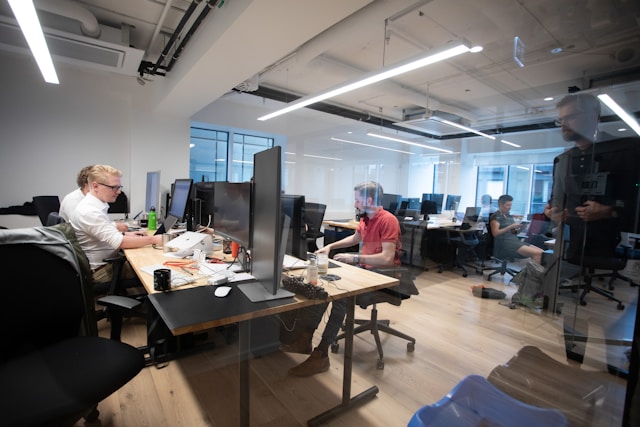
In a city like Singapore, where every square foot of commercial real estate comes at a premium, space planning has moved beyond aesthetics and into the realm of business strategy. Whether you’re operating an office or a retail outlet, how you organise, allocate, and design your space can dramatically influence productivity, employee morale, and customer experience. This article explores how smart space planning is transforming the performance of Singapore offices and retail spaces — and why businesses that invest in it are seeing measurable results.
1. Understanding Smart Space Planning
Smart space planning is more than arranging desks and chairs; it’s a deliberate, research-driven approach to how people use space. It considers:
- Workflow efficiency – Minimising wasted movement between tasks or departments.
- Human behaviour – Understanding how employees collaborate or how customers browse.
- Flexibility – Designing for growth, new technology, and changing business models.
- Aesthetics and branding – Ensuring the look and feel of the space supports the company’s image.
In Singapore’s competitive commercial landscape, this kind of planning isn’t optional. With tight rental markets and a diverse workforce, poor space design can lead to inefficiency, frustration, and lost revenue.
2. The Productivity Impact in Office Environments
2.1 Reducing Distractions and Bottlenecks
One of the most immediate benefits of smart space planning in offices is reduced distractions. By creating clearly defined zones for focused work, collaboration, and relaxation, employees know where to go for each activity. This minimises interruptions and improves time-on-task.
Efficient circulation paths also reduce bottlenecks at elevators, pantries, and printers. Small improvements like widening a corridor or repositioning equipment can shave minutes off repetitive tasks, adding up to significant productivity gains over time.
2.2 Enhancing Collaboration Without Sacrificing Focus
Modern offices in Singapore increasingly adopt activity-based work settings. Rather than rows of identical desks, employees have access to a variety of spaces: quiet pods for concentration, open lounges for brainstorming, and enclosed rooms for confidential calls.
Smart planning ensures these areas are located and acoustically treated so that one doesn’t disturb the other. When done well, employees collaborate more fluidly while still having access to quiet zones, boosting both creativity and efficiency.
2.3 Supporting Hybrid Work and Hot-Desking
With hybrid work becoming the norm, many Singapore companies are reducing dedicated desks and increasing shared workstations. Smart space planning calculates optimal desk ratios, locker locations, and booking systems so employees can find a place to work without friction.
This approach lowers real-estate costs while ensuring that employees feel supported when they come to the office.
3. The Productivity Impact in Retail Environments
3.1 Streamlining Customer Flow
In retail, smart space planning is about guiding customers intuitively through the store. This includes clear sight lines, strategic product placement, and unobstructed walkways. In Singapore’s high-traffic malls, stores with poorly planned layouts often see customers walk out due to congestion or confusion.
By mapping customer journeys, retailers can position high-margin items at eye level, create discovery zones for new products, and ensure checkout counters are easy to access without blocking entrances.
3.2 Enhancing the Shopping Experience
A well-planned retail space increases dwell time and basket size. Elements such as lighting, music, and seating areas are placed with intention to encourage exploration and comfort. Smart planning also accommodates omnichannel services such as self-checkout, click-and-collect counters, and interactive displays — which have become increasingly common in Singapore.
3.3 Maximising Stock and Storage Efficiency
Retail space planning isn’t just about the sales floor. Back-of-house storage and inventory management areas also affect productivity. Poorly designed storerooms lead to longer retrieval times, stock errors, and wasted labour. By planning storage vertically, labelling clearly, and locating items according to demand, staff can work faster and serve customers more efficiently.
4. Key Elements of Smart Space Planning
4.1 Needs Assessment and Data Gathering
The starting point for any smart space plan is understanding how the space is currently used. This might include employee surveys, occupancy sensors, or customer heat maps. In Singapore, where diverse cultural habits influence how people work and shop, data-driven planning ensures the design matches actual behaviour rather than assumptions.
4.2 Zoning and Layout Optimisation
Zoning involves dividing the space into functional areas based on activity. In offices, this may include focus zones, collaborative areas, and social hubs. In retail, it could mean display areas, experiential zones, and transactional counters.
Smart layout design ensures these zones connect logically, minimising unnecessary travel and interruptions.
4.3 Ergonomics and Comfort
Productivity depends on comfort. Adjustable desks, supportive chairs, and adequate lighting all reduce fatigue and boost performance. In retail, ergonomic counters and well-positioned equipment reduce staff strain and improve service speed.
4.4 Technology Integration
A smart space plan incorporates IT and power infrastructure from the outset. In offices, this means sufficient power outlets, charging stations, and robust Wi-Fi coverage. In retail, it includes point-of-sale systems, digital signage, and sensors.
Planning for technology avoids the clutter of retrofitted cables and ensures systems function smoothly from day one.
4.5 Flexibility for Future Growth
In a dynamic economy like Singapore’s, businesses evolve quickly. Smart planning uses modular furniture, movable partitions, and non-structural elements so spaces can be reconfigured without major renovations. This reduces downtime and cost when changes are needed.
5. Productivity Benefits Quantified
When businesses invest in smart space planning, the gains are measurable:
- Faster workflows – Less time spent walking or searching for items.
- Reduced absenteeism – Comfortable, healthy environments lower stress and illness.
- Improved talent retention – Employees value workplaces that support their well-being.
- Higher sales conversion – In retail, better layouts increase browsing and purchases.
- Lower operational costs – Efficient use of space can reduce rent per employee or per product.
Several Singaporean firms report productivity gains of 10-20% after thoughtful redesigns. For retailers, layout changes alone can boost sales per square foot without increasing rent.
6. Case Examples of Smart Space Planning in Singapore
6.1 Offices: From Cubicles to Activity-Based Working
A mid-sized tech firm in Singapore recently converted its traditional cubicle office into an activity-based workspace. By introducing collaborative lounges, quiet pods, and flexible meeting rooms, they reduced unused space by 30% while increasing employee satisfaction scores by 25%.
6.2 Retail: Omnichannel Store Layout
A retail brand in Orchard Road redesigned its flagship store to integrate online order pickup, self-checkout kiosks, and experiential zones. Smart circulation planning prevented crowding, leading to faster service and a 15% increase in repeat customers.
7. The Role of Professional Interior Designers and Renovation Experts
While business owners often have a vision, translating it into an effective, compliant, and future-ready layout requires professional expertise. Experienced Singapore interior designers and renovation contractors bring:
- Knowledge of local regulations – Compliance with fire codes, accessibility, and Green Mark standards.
- Access to innovative materials and furniture systems.
- Project management skills to coordinate timelines and minimise disruption.
- Post-occupancy evaluation to measure whether the new layout achieves the intended goals.
Investing in expert help ensures that the benefits of smart space planning are realised without costly mistakes.
8. Tips for Implementing Smart Space Planning
- Involve stakeholders early – Get input from employees or frontline staff who use the space daily.
- Pilot test layouts – Use temporary furniture or digital simulations before committing.
- Plan in phases – Renovate in stages to avoid operational downtime.
- Track results – Measure productivity, sales, or satisfaction after changes to prove ROI.
- Prioritise adaptability – Choose solutions that can evolve with your business model.
9. Looking Ahead: The Future of Space Planning in Singapore
As Singapore continues to position itself as a hub for innovation and sustainability, the future of commercial space planning will include:
- AI-driven design – Using algorithms to predict and optimise space usage.
- Smart sensors – Real-time data on occupancy and energy consumption.
- Sustainable modular construction – Faster renovations with lower environmental impact.
- Human-centric design – Prioritising wellness, inclusivity, and experiential elements.
These trends will further blur the line between productivity, brand experience, and environmental responsibility.
Conclusion
In Singapore’s high-density, high-cost environment, smart space planning is a competitive advantage. By aligning design with business goals, offices become engines of productivity and retail stores become immersive destinations.
When businesses integrate workflow analysis, ergonomic principles, technology, and flexibility into their layouts, they don’t just save space — they unlock performance, innovation, and customer loyalty.
Whether you’re redesigning a corporate office or a boutique store, investing in professional space planning and renovation pays dividends long after the dust has settled. The result is a commercial space that works as hard as the people within it.