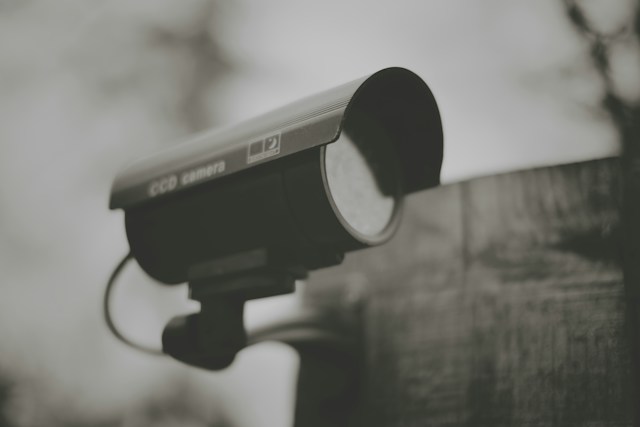
Quick answer: A commercial CCTV installation in Singapore typically involves a site survey, system design, equipment selection, cabling and mounting, configuration, and final testing. The process usually takes one to three days depending on the property’s size, and should always comply with Singapore’s Personal Data Protection Act (PDPA) regarding surveillance of staff and visitors.
Security cameras have become a standard fixture in Singapore’s commercial buildings, from retail shopfronts in Orchard Road to warehouses in Tuas. Business owners install them to deter theft, monitor staff safety, and keep a record of daily operations. But what actually happens once you book an installation? Many business owners sign a contract without knowing what to expect on the day, which can lead to confusion, delays, or systems that don’t quite meet their needs.
This guide walks through the entire CCTV installation process for commercial properties in Singapore, step by step. Whether you’re setting up your first system or upgrading an outdated one, understanding each phase will help you ask the right questions, prepare your premises, and get a system that actually protects your business.
Why Do Commercial Properties in Singapore Need CCTV?
Commercial CCTV systems from commercialcctvsecurity.sg serve several purposes beyond basic security. They help business owners monitor foot traffic, resolve disputes over incidents, supervise remote sites, and comply with insurance requirements. Many commercial leases and insurance policies in Singapore now require some form of surveillance coverage, particularly for retail units, F&B outlets, and logistics facilities.
Beyond deterring theft, CCTV footage is often used to settle liability claims, such as slip-and-fall incidents, or to investigate workplace disputes. For businesses handling cash or high-value inventory, a well-placed camera system can also reduce internal shrinkage caused by employee theft.
What Is the First Step in a Commercial CCTV Installation?
Before any equipment arrives on site, a reputable installer will conduct a site survey. This involves a technician visiting the property to assess the layout, identify blind spots, and determine the best camera placements.
During the survey, the installer typically looks at:
- Entry and exit points, including main doors, loading bays, and emergency exits
- High-risk areas, such as cash registers, storage rooms, and server rooms
- Lighting conditions, since poor lighting affects image quality and may require infrared or low-light cameras
- Existing infrastructure, including available power outlets, network cabling, and ceiling or wall types for mounting
- Coverage gaps, where blind spots could be exploited
The site survey also gives the installer a chance to flag any PDPA considerations. Under Singapore’s PDPA, businesses must inform employees and, where relevant, customers that CCTV surveillance is in place, and cameras should not be pointed into private areas such as restrooms or changing rooms.
How Is a CCTV System Designed for a Commercial Property?
Once the site survey is complete, the installer drafts a system design proposal. This outlines the number of cameras required, their types, and their exact placement on a floor plan.
Commercial properties generally require a mix of camera types depending on the area being monitored:
- Dome cameras for indoor areas like retail floors and offices, since their discreet design is less obtrusive
- Bullet cameras for outdoor perimeters, entrances, and car parks, offering longer-range visibility
- PTZ (pan-tilt-zoom) cameras for large open areas such as warehouses, where a single camera needs to cover a wide field of view
- Covert cameras for sensitive areas requiring discreet monitoring, such as cash-handling zones
The design proposal should also specify the recording and storage solution, whether that’s a Network Video Recorder (NVR) for IP cameras, a Digital Video Recorder (DVR) for analog systems, or cloud-based storage. For commercial properties, cloud storage has become increasingly popular because it allows business owners to review footage remotely and avoids the risk of losing recordings if an on-site recorder is damaged or stolen.
What Equipment Is Typically Installed?
A standard commercial CCTV installation in Singapore includes several core components:
- Cameras (the number varies by property size and risk level)
- A recording device (NVR, DVR, or cloud storage subscription)
- Cabling, either Ethernet (for IP cameras) or coaxial (for analog systems)
- A power supply unit, such as Power over Ethernet (PoE) switches for IP systems
- A monitor or display, if the business wants an on-site viewing station
- Mounting brackets and housings, particularly weatherproof housings for outdoor cameras in Singapore’s humid climate
Choose IP-based systems if your business needs higher resolution footage, remote access via smartphone apps, or integration with other security systems like access control. Choose analog systems if you’re working with a tighter budget and don’t require advanced features, since analog equipment tends to be cheaper to purchase and maintain.
How Long Does a Commercial CCTV Installation Take?
Installation timelines depend on the size of the property and the complexity of the system. A small retail unit with four to six cameras might be completed within a single day. Larger commercial properties, such as multi-storey office buildings or warehouses with extensive coverage requirements, can take two to three days or longer.
Factors that extend the installation timeline include:
- The need to run new cabling through walls or ceilings
- Coordinating access with multiple tenants or building management
- Installing cameras at height, which may require scaffolding or cherry pickers
- Integrating the CCTV system with existing security infrastructure, such as alarm systems or access control
Business owners should schedule installations during off-peak hours or closed days where possible, to minimize disruption to daily operations and reduce the number of people present during setup.
What Happens During the Physical Installation?
On installation day, the technician team typically follows this sequence:
- Mounting the cameras at the positions confirmed during the site survey, using brackets suited to the wall, ceiling, or pole material
- Running cables from each camera back to the central recording unit, concealing wiring where possible for a cleaner finish and to prevent tampering
- Installing the recording device and power supply, usually in a secure location such as a locked cabinet or server room
- Connecting cameras to the network, for IP-based systems, which includes assigning IP addresses and configuring the local network
- Adjusting camera angles and focus to confirm each unit captures its intended field of view without obstruction
Throughout this process, the technician will test each camera individually before moving on to full system configuration.
How Is the System Configured and Tested?
Once all hardware is installed, the technician configures the software settings. This includes setting recording schedules (continuous recording, motion-triggered recording, or scheduled recording), configuring motion detection zones, and setting up remote access via a mobile app or web portal if required.
Final testing involves:
- Reviewing live footage from every camera to confirm image clarity and correct positioning
- Testing night vision or infrared performance in low-light areas
- Verifying that recordings save correctly and can be retrieved
- Testing remote access from a smartphone or computer, if applicable
- Checking storage capacity and setting up automatic overwrite rules so the system doesn’t run out of space
A professional installer should also walk the business owner through the system before leaving, demonstrating how to review footage, export clips, and adjust basic settings.
What Should Businesses Know About PDPA Compliance?
Singapore’s Personal Data Protection Act (PDPA) governs how businesses collect, use, and disclose footage containing identifiable individuals. Commercial property owners installing CCTV should display clear signage indicating that the premises are under surveillance, and avoid pointing cameras into areas where individuals have a reasonable expectation of privacy, such as restrooms.
Choose a stricter retention and access policy if your business handles sensitive footage, such as recordings near cash registers or HR offices, since limiting who can view and export footage reduces the risk of misuse. Businesses should also establish an internal policy on how long footage is retained and who has authority to access it, particularly if footage may be requested as evidence in a dispute or police investigation.
How Much Does Commercial CCTV Installation Cost in Singapore?
Costs vary significantly based on the number of cameras, camera type, and whether new cabling infrastructure is required. Smaller setups with basic analog cameras tend to sit at the lower end of the pricing scale, while larger IP-based systems with cloud storage and remote monitoring features cost more due to the equipment and configuration involved. Business owners should request itemized quotes from installers that break down hardware, labor, and any ongoing subscription fees for cloud storage or maintenance.
Choosing the Right CCTV Installer for Your Business
Not all installers offer the same level of service. When evaluating providers, look for companies with experience in commercial installations specifically, since office, retail, and warehouse environments each present different challenges compared to residential setups. Ask potential installers about their experience with PDPA-compliant setups, their warranty terms, and whether they offer after-installation support or maintenance plans.
A reliable installer should also be transparent about equipment brands, provide a written quote before work begins, and be willing to walk through the system design with you before installation day.
Getting Your Commercial Property Ready for CCTV
A commercial CCTV installation in Singapore is a structured process that moves from site survey through to system design, equipment installation, configuration, and testing. Understanding each stage helps business owners set realistic expectations, prepare their premises, and ask informed questions when hiring an installer.
If you’re planning a CCTV installation for your commercial property, start by requesting a site survey from a licensed security installer. This initial assessment costs little to nothing with most providers and gives you a clear picture of what your specific property needs before committing to a system.
Frequently Asked Questions
How many cameras does a commercial property typically need?
The number depends on the size of the premises and the number of entry points, blind spots, and high-risk areas. A small retail shop may need four to six cameras, while a warehouse or multi-storey office building could require a dozen or more.
Can I install CCTV myself to save on costs?
While DIY kits exist, commercial properties generally benefit from professional installation due to the complexity of cabling, network configuration, and PDPA compliance requirements. A professional installer also ensures camera placement maximizes coverage and minimizes blind spots.
Do I need to inform employees about CCTV surveillance?
Yes. Under Singapore’s PDPA, businesses should notify employees and visitors that CCTV surveillance is in place, typically through clear signage, and avoid monitoring private areas such as restrooms.
What’s the difference between IP and analog CCTV systems?
IP cameras offer higher resolution, remote access, and easier integration with other security systems, while analog cameras are generally more affordable and simpler to maintain. Choose IP systems if remote monitoring and image quality are priorities; choose analog if budget is the main concern.
How long does CCTV footage need to be stored?
There’s no single fixed retention period mandated for all businesses, but many commercial properties in Singapore retain footage for 30 to 90 days, depending on storage capacity and internal policy. Businesses should set a retention policy that balances storage costs with the likelihood of needing footage for disputes or investigations.