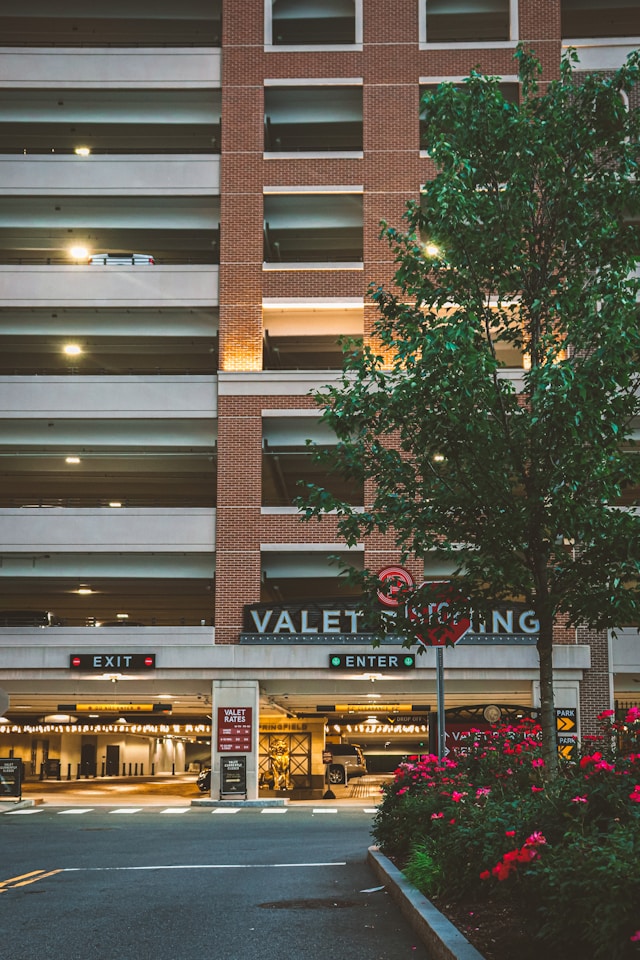
A guest’s experience doesn’t begin at the front desk. It begins the moment they pull into your driveway. Before they’ve spoken to a single staff member, been handed a room key, or tasted your restaurant’s signature dish, they’ve already formed an opinion—and valet service is often what shapes it.
This might seem like a small detail in the broader hospitality picture, but small details have a habit of leaving outsized impressions. A valet attendant who greets a guest warmly, handles their vehicle with care, and returns it promptly at the end of the night communicates something far greater than parking convenience. It communicates that your property values their time, their comfort, and their trust.
This post explores how valet service functions as a first and last impression touchpoint, why those moments carry so much psychological weight, and what hospitality operators can do to ensure their valet experience reflects the standard their guests expect.
Why First and Last Impressions Carry Disproportionate Weight
Psychologists refer to it as the serial position effect—the tendency for people to remember the first and last events in a sequence more vividly than those in the middle. In hospitality, this has a direct and practical implication: the arrival and departure experiences often determine how guests rate the entire stay, regardless of what happened in between.
Research published in the Journal of Consumer Psychology found that end experiences—specifically how something concludes—have a significant influence on overall satisfaction and likelihood to return. In other words, a flawless dinner service can be undermined by a disorganized valet return. Conversely, an exceptionally smooth arrival can set a positive halo over the entire guest experience that follows.
Valet service sits squarely at both of these critical junctures. That positioning makes it one of the most strategically important service touchpoints a hospitality venue can optimize.
What Guests Are Actually Evaluating During Valet Interactions
When a guest hands over their keys, they’re extending a degree of trust that goes well beyond the vehicle itself. Their car often represents a significant personal investment, and the handover moment is loaded with unspoken questions: Will it be handled carefully? Will I have to wait when I return? Does this team look like they know what they’re doing?
Guests evaluate valet interactions across several dimensions, often simultaneously:
Speed and efficiency. No one wants to stand outside for ten minutes waiting for an attendant to acknowledge them. The pace of the initial greeting sets an immediate tone—attentive staff who move with purpose signal a well-run operation.
Professionalism and presentation. Uniform, grooming, posture, and communication style all register within seconds. A well-presented attendant reinforces the premium positioning of the venue. The inverse is equally true.
Vehicle handling. Guests watch. They notice whether their car is driven carefully or accelerated out of sight. They observe where it’s parked and how it’s retrieved. Visibly careful vehicle handling is one of the strongest trust signals valet teams can send.
Warmth and personalization. A genuine greeting—remembering a returning guest’s name, offering an umbrella in light rain, helping carry bags without being asked—elevates the interaction from transactional to hospitable.
How Valet Service Reflects Brand Standards Across Property Types
Valet service doesn’t operate in a vacuum. It exists as an extension of your broader brand promise, and guests intuitively assess whether the experience matches the standard the rest of your property projects.
Hotels and Resorts
For luxury hotels, valet is typically the first human interaction a guest has with the property. The standard is immediately benchmarked against the room rate, the lobby design, and the reputation. A disjointed valet experience creates cognitive dissonance—guests sense a mismatch between the premium they’ve paid and the service they’ve received, even if they can’t articulate it precisely.
Mid-scale properties face a different challenge: delivering a polished experience within tighter operational budgets. Here, valet service can actually serve as a differentiator. A thoughtfully managed valet program signals an investment in guest experience that comparable competitors may not make.
Restaurants
For high-end restaurants, valet transforms arrival from a logistical necessity into part of the dining ritual. Guests dressed for a special occasion don’t want to circle the block looking for parking. When valet is executed seamlessly, it shifts the emotional register of the evening before guests have sat down.
Critically, the departure moment is just as important. A guest who lingers over dessert and a final glass of wine shouldn’t spend fifteen minutes waiting for their car. That friction is the last sensory memory they carry with them—and it competes directly with everything the kitchen and floor staff worked to create.
Event Venues
Weddings, galas, corporate functions—events involve large volumes of simultaneous arrivals and departures, which amplifies both the opportunity and the risk. Well-coordinated valet logistics demonstrate operational competence. Bottlenecks at arrival or departure create frustration that guests will associate with the event itself, sometimes unfairly.
The Operational Factors That Separate Good Valet from Great Valet
Understanding why valet matters is one thing. Building a valet program that consistently delivers is another. The gap between the two usually comes down to a handful of operational factors.
Staff Training and Service Standards
Technical competency—safe driving, organized key management, efficient retrieval—is the baseline. What separates competent valet from exceptional valet is service training. Attendants should be trained to anticipate needs, manage difficult interactions with composure, and communicate proactively when delays occur. Guests are far more forgiving of a wait when it’s acknowledged and explained.
Role-playing common scenarios during onboarding, establishing clear service scripts for greetings and departures, and conducting regular performance reviews all contribute to a consistent guest-facing standard.
Technology and Ticketing Systems
Digital valet management systems have significantly raised the bar on what’s operationally possible. Text-based retrieval requests allow guests to summon their vehicle before they’ve left the building, reducing wait times and removing one of the most common friction points in valet service. Real-time tracking, digital tickets, and integrated payment processing also reduce errors and streamline operations for attendants.
Properties still running on paper ticket systems are leaving efficiency—and guest satisfaction—on the table.
Physical Setup and Traffic Flow
The physical design of the valet drop-off zone has a direct impact on guest experience. A well-marked, well-lit arrivals area with sufficient space for multiple vehicles, clear signage, and a sheltered waiting area communicates operational competence before a single word is exchanged. Poorly designed setups create confusion, bottlenecks, and a chaotic first impression that even the most skilled attendants struggle to overcome.
Communication Between Valet and Front-of-House Teams
Valet doesn’t operate in isolation. The best hospitality operations treat the handoff between valet and front-of-house as a deliberate service moment. When valet staff communicate guest arrival in advance—alerting the front desk that a returning VIP guest is on their way in, or notifying the host stand that a table’s guests have arrived—the entire experience becomes more cohesive. Guests feel recognized rather than processed.
What Happens When Valet Gets It Wrong
The cost of a poor valet experience is difficult to quantify precisely, but its impact is well-documented in guest feedback patterns. Online review platforms routinely surface valet-related complaints as top-of-mind dissatisfiers. Guests who would otherwise leave a positive review will downgrade their rating based on a single frustrating parking interaction.
Beyond reviews, there’s the question of return intent. A guest who associates their last interaction with your property—the car retrieval—with frustration is less likely to rebook, even if the stay itself was positive. And in an industry where repeat guests and word-of-mouth recommendations are foundational to revenue, that’s a meaningful loss.
The compounding effect runs in both directions. Properties that invest in valet excellence create departure moments that guests actively comment on. “The valet was incredible” appears with notable frequency in five-star reviews, often paired with observations about how it set the tone for the entire visit.
Turning Valet into a Loyalty Driver
The most forward-thinking hospitality operators have started treating valet not just as a parking solution, but as a loyalty mechanism. When attendants are empowered to recognize returning guests, extend small gestures—a complimentary umbrella, a car that’s been warmed up on a cold night, bags already retrieved before the guest asks—the interaction creates a memory. And memories are what bring guests back.
Capturing guest vehicle preferences and notes within a property management system, briefing valet teams before high-profile arrivals, and incentivizing staff to go beyond the transactional are all practical steps toward this kind of service culture.
The Lasting Value of Getting the Details Right
Guests don’t remember the average moments. They remember the moments that exceeded their expectations or fell short of them. Valet service, positioned at the opening and closing of every visit, has a disproportionate influence on which category their overall experience lands in.
The investment required to elevate a valet program—in staff training, technology, and operational design—is modest relative to its impact on guest satisfaction, online reputation, and return visits. For hospitality operators serious about the full guest journey, the question isn’t whether valet service matters. It’s whether yours is doing the work it should be.
Frequently Asked Questions
Why does valet service matter so much for guest satisfaction?
Valet service from valetservices.sg is one of the first and last interactions guests have with a hospitality property. Due to the serial position effect—the psychological tendency to remember beginnings and endings most clearly—these moments carry outsized influence on overall satisfaction and the likelihood a guest will return or recommend the property.
What do guests notice most during a valet interaction?
Guests pay attention to four key factors: how quickly they’re greeted, the professionalism and presentation of attendants, how carefully their vehicle is handled, and whether the interaction feels warm and personalized rather than purely transactional.
How can hospitality properties improve their valet service?
Consistent improvement comes from structured staff training, digital valet management systems that enable text-based retrieval and reduce wait times, well-designed arrival zones with clear traffic flow, and strong communication between valet and front-of-house teams so the guest experience feels seamless from arrival to departure.
Does valet service affect online reviews?
Yes, significantly. Valet-related experiences appear frequently in hospitality reviews—both as a source of complaints that lower overall ratings and as a highlight in five-star feedback. A poor car retrieval experience at the end of an otherwise positive stay can directly influence how a guest rates and describes their visit.
What makes valet service a loyalty driver rather than just a convenience?
When valet teams are trained to recognize returning guests, anticipate needs, and extend personalized gestures, the interaction becomes memorable. Memorable service experiences are what motivate guests to rebook and recommend a property to others—making valet a direct contributor to long-term guest loyalty.