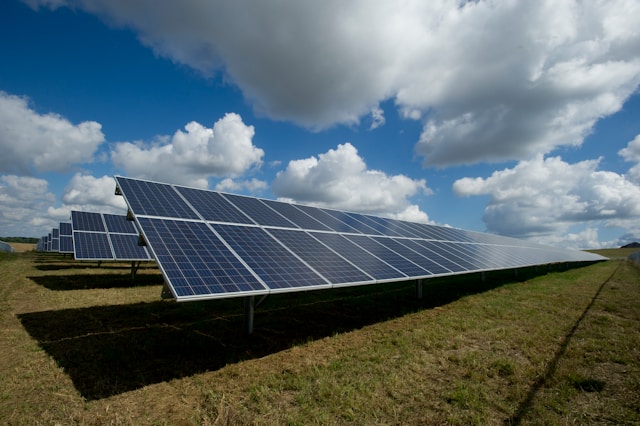
TL;DR: The contractor you hire matters as much as the panels you buy. Skilled solar installers maximize long-term savings through smart panel placement, proper system sizing, quality wiring, and durable mounting. Poor installation can cut energy production by 20% or more—erasing thousands in potential savings over a system’s 25-year lifespan.
Two homes on the same street can install identical solar panels and end up with wildly different electricity bills. Same equipment, same sunshine, same square footage—yet one homeowner saves significantly more than the other. What’s the difference? The contractor who did the work.
Solar panels often get all the attention when people shop for systems. Buyers compare wattage, brands, and efficiency ratings down to the decimal point. But the installation itself plays an equally powerful role in how much money you’ll actually save. A well-designed, expertly installed system can outperform a sloppy one by a wide margin, even when the hardware is identical.
This post breaks down the installation choices that separate great solar contractors from mediocre ones. You’ll learn how panel placement, system sizing, wiring quality, and mounting methods influence your returns over time—and what questions to ask before you sign a contract. By the end, you’ll know how to spot a contractor who’ll help you squeeze every dollar out of your investment.
Why does the solar contractor matter more than the panels?
Solar panels are surprisingly standardized. Most quality panels from reputable manufacturers perform within a narrow range of each other, and they all carry similar warranties of around 25 years. The hardware, in other words, is rarely where systems succeed or fail.
Installation is a different story. It’s a craft that depends on judgment, experience, and attention to detail. A contractor decides where panels go, how they’re angled, how the system is wired, and how everything attaches to your roof. Each of these decisions compounds over decades.
Consider this: a solar system is designed to last 25 to 30 years. A 20% drop in energy production caused by poor placement doesn’t just hurt you once—it costs you every single month for the life of the system. Over time, those losses can add up to thousands of dollars in missed savings. The upfront price difference between a cheap installer and a skilled one often pales next to the long-term gap in performance.
How does panel placement affect long-term savings?
Where panels sit on your roof is one of the most important decisions a contractor makes. Get it right, and your system soaks up sunlight all day. Get it wrong, and you leave free energy on the table.
Orientation and tilt
In the Northern Hemisphere, south-facing panels typically generate the most electricity because they catch direct sunlight throughout the day. East- and west-facing panels still produce power, but usually less. A knowledgeable solar panel contractor weighs your roof’s orientation against your energy use patterns. If you use more power in the late afternoon, west-facing panels might actually serve you better despite slightly lower total output.
Tilt angle matters too. Panels set at the right angle for your latitude capture more sunlight across the seasons. A skilled installer fine-tunes this rather than simply laying panels flat against whatever slope your roof happens to have.
Shading analysis
Even a small amount of shade can drag down a system’s performance. A nearby tree, a chimney, or a neighbor’s rooftop can cast shadows that reduce output far more than their size suggests. That’s because many panels are wired in series—when one panel underperforms, it can pull down the whole string.
Good contractors conduct a thorough shading analysis before installation, often using specialized tools that map sun exposure across your roof throughout the year. They then design around problem spots, whether that means repositioning panels or recommending equipment like microinverters that limit the damage from shading.
How does proper system sizing impact your returns?
System sizing is the art of matching your solar setup to your actual energy needs. An undersized system won’t cover enough of your bill to justify the investment. An oversized one means you’ve paid for capacity you may never use—especially in places where utilities offer little credit for excess power.
The best contractors study your past electricity bills, usually a full year’s worth, to understand your consumption patterns. They factor in seasonal swings, future plans like buying an electric vehicle, and local net metering rules. Net metering policies determine how much credit you earn for sending surplus electricity back to the grid, and these rules vary widely by location.
A contractor who skips this analysis and offers a one-size-fits-all quote is a red flag. Proper sizing is where short-term cost and long-term savings find their balance.
Why does wiring and electrical work quality matter?
The wiring that connects your panels is the nervous system of your solar setup. It’s also one of the easiest places for a rushed contractor to cut corners—and one of the hardest for a homeowner to inspect.
Inverter choice and placement
The inverter converts the direct current (DC) your panels produce into the alternating current (AC) your home uses. Its quality and placement affect both efficiency and lifespan. String inverters are cost-effective and work well for unshaded roofs with simple layouts. Microinverters or power optimizers cost more but perform better on roofs with shading or multiple angles, since they let each panel operate independently.
Placement counts as well. Inverters that bake in direct sun or sit in poorly ventilated spots can overheat, which shortens their life and reduces efficiency. Experienced contractors install inverters in cool, shaded, accessible locations.
Wire sizing and connections
Undersized wires lose energy as heat, quietly shaving off a percentage of your production year after year. Loose or low-quality connections create resistance and can even pose fire risks. A meticulous contractor uses properly sized wiring, weatherproof connectors, and clean cable management that protects the system from the elements.
How does mounting and roof work affect durability?
Your panels need to stay put for decades through wind, rain, snow, and heat. The mounting system that holds them—and the way it attaches to your roof—determines whether your installation stays solid or becomes a source of leaks and repairs.
Roof penetration and sealing
Most rooftop installations require drilling into the roof to anchor the mounting hardware. Done correctly, these penetrations are sealed tight and last as long as the roof itself. Done poorly, they become entry points for water. A leaky roof can lead to damage that costs far more than any energy savings the panels provide.
Skilled contractors know how to flash and seal penetrations for your specific roof type, whether it’s asphalt shingle, tile, or metal. They also assess your roof’s condition before installing. If your roof has only a few years of life left, a reputable contractor will recommend replacing it first rather than mounting panels on a surface that will soon need to come off.
Mounting hardware quality
Cheap mounting hardware can corrode or weaken over time, especially in coastal or harsh climates. Quality racking made from corrosion-resistant materials keeps panels secure and properly angled for the long haul. This is another area where the upfront savings of a budget installer can cost you down the road.
What questions should you ask a solar contractor?
The right questions reveal whether a contractor takes the craft seriously. Before signing anything, ask:
- Will you perform a shading analysis and show me the results? This confirms they’re designing around your roof’s real conditions.
- How did you determine my system size? Look for an answer that references your actual energy bills and usage patterns.
- What inverter are you recommending, and why? A good contractor explains the trade-offs for your specific roof.
- How will you seal roof penetrations, and what’s the warranty on leaks? This protects you from one of the costliest installation failures.
- What’s the workmanship warranty? Equipment warranties come from manufacturers, but the workmanship warranty covers the installation itself. Strong installers often offer 10 years or more.
- Are you licensed, insured, and certified? Certification from a recognized industry body signals a baseline of training and competence.
A contractor who answers these clearly and patiently is far more likely to deliver a system that performs for decades.
Choosing the right contractor for lasting savings
Solar panels are a long-term investment, and the contractor you choose shapes the return you’ll see over the next 25 to 30 years. The hardware may be similar from one quote to the next, but the installation rarely is. Panel placement, system sizing, wiring quality, and mounting durability all influence how much you save—and these come down to the skill and care of the person doing the work.
When you compare quotes, resist the urge to focus only on the bottom-line price. Weigh the contractor’s experience, their willingness to analyze your specific situation, and the strength of their warranties. A slightly higher upfront cost from a meticulous installer often pays for itself many times over through better performance and fewer headaches.
Start by gathering at least three detailed quotes, asking the questions above, and checking reviews and references. The right contractor won’t just install panels—they’ll design a system tuned to your home, your roof, and your energy goals.
Frequently asked questions
How much can a bad solar installation cost me in lost savings?
Poor installation can reduce energy production by 20% or more. Over a system’s 25- to 30-year lifespan, that lost production can add up to thousands of dollars in missed savings, plus potential repair costs from issues like roof leaks or premature equipment failure.
Are expensive solar contractors always better?
Not necessarily. A higher price doesn’t guarantee quality work. What matters is the contractor’s experience, certifications, willingness to analyze your specific home, and the strength of their warranties. Focus on these factors rather than price alone, and gather multiple quotes to compare value.
What certifications should a solar contractor have?
Look for proper licensing for your area, full insurance, and certification from a recognized industry body that signals trained, tested installers. Always verify that a contractor is licensed and insured before hiring them, as this protects you if something goes wrong.
Should I replace my roof before installing solar panels?
If your roof has only a few years of life remaining, replacing it first is usually wise. Removing and reinstalling panels to replace a roof later adds significant cost. A reputable contractor will assess your roof’s condition and recommend replacement before installation if needed.
How many quotes should I get before choosing a solar contractor?
Aim for at least three detailed quotes. This lets you compare system designs, equipment recommendations, sizing logic, warranties, and pricing. Multiple quotes also help you spot red flags, such as contractors who skip a shading analysis or offer one-size-fits-all sizing.