Singapore’s HDB flats are a central part of urban living, designed to be practical, affordable, and comfortable. Yet, many homeowners often struggle with balancing two essential aspects of their homes: functionality and aesthetics. While functionality ensures the home is practical, safe, and efficient, aesthetics adds character, style, and a sense of belonging. Striking the right balance between the two is what transforms a house into a truly livable and beautiful home.
This article explores how homeowners can merge functionality with aesthetics in HDB interior design, creating homes that are not only practical but also visually inspiring.
Why Balance Matters
An HDB flat, regardless of size, serves multiple roles: a place to rest, socialize, work, and build memories. Overemphasis on aesthetics may create spaces that look stunning but are difficult to maintain, while a purely functional design may feel uninspired and cold. By blending both, homeowners can enjoy the best of both worlds: a home that works well for daily life and delights the senses.
Step 1: Smart Space Planning
Functionality begins with space planning. Given that HDB flats often have limited square footage, layouts must be optimized.
- Define zones clearly: Use furniture placement, rugs, or partitions to create clear zones for dining, lounging, and working without sacrificing openness.
- Prioritize flow: Ensure there’s easy movement between rooms and that pathways are not obstructed by bulky furniture.
- Anticipate future needs: Plan layouts with flexibility for evolving lifestyles, whether for a growing family, working from home, or elderly-friendly arrangements.
A well-planned space reduces clutter, maximizes usability, and sets the foundation for beautiful design elements.
Step 2: Choosing a Design Style That Complements Function
Selecting the right design style helps merge function with aesthetics seamlessly.
- Minimalist: A clutter-free look that naturally supports efficiency and organization.
- Scandinavian: Combines warmth, neutral tones, and natural light with functional layouts.
- Industrial: Exposed finishes and sturdy materials that are both stylish and durable.
- Contemporary: Flexible, modern, and sleek, allowing functionality without sacrificing creativity.
Each style should be adapted to personal needs, ensuring that design choices contribute to ease of living.
Step 3: Functional Furniture That Looks Good
Furniture plays a central role in both function and aesthetics. In HDB flats, every piece should serve a purpose while enhancing visual appeal.
- Multi-functional designs: Sofa beds, extendable dining tables, or benches with storage help maximize usability.
- Proportional selection: Furniture should be scaled to fit the room—oversized sofas may overwhelm small living areas.
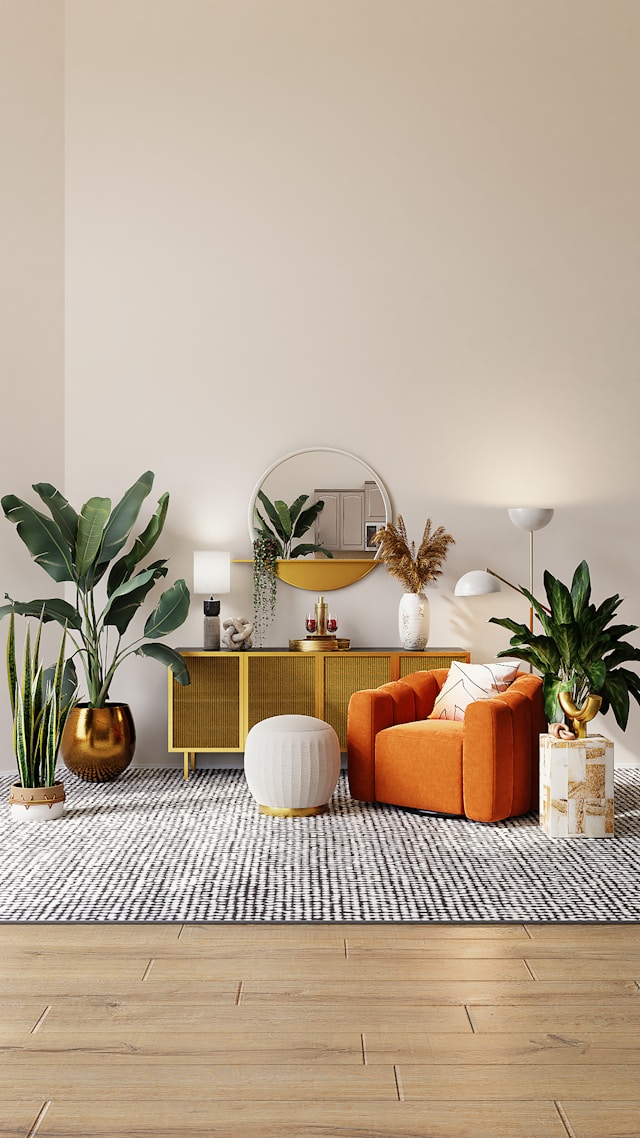
- Statement pieces: Choose one or two standout items, such as a stylish armchair or designer dining table, to elevate the overall look without compromising function.
- Built-in carpentry: Custom wardrobes, cabinets, or TV consoles add storage while maintaining a sleek, cohesive appearance.
By selecting functional furniture that also matches the chosen aesthetic, you achieve a space that is both practical and stylish.
Step 4: Color Palettes That Enhance Both Mood and Space
Colors not only set the tone of the home but also impact how functional it feels.
- Light neutrals: White, beige, and pastel shades create a spacious and calming environment.
- Bold accents: Strategic pops of color on feature walls or furniture add vibrancy without overwhelming the room.
- Monochromatic schemes: Simplify design choices while offering elegance and ease of coordination.
- Mood-aligned tones: Warm shades create cozy living rooms, while cooler tones like light blue are great for bedrooms.
A thoughtful palette enhances both beauty and usability by making spaces feel open, cohesive, and inviting.
Step 5: Lighting as a Functional and Decorative Tool
Lighting serves a dual purpose in HDB interior design—it enhances visibility while also adding aesthetic appeal.
- Ambient lighting: General ceiling lights provide essential illumination.
- Task lighting: Focused lights in kitchens, studies, or reading areas improve functionality.
- Accent lighting: Spotlights, wall sconces, or LED strips highlight décor and architectural features.
- Decorative fixtures: Stylish pendant lights or chandeliers become visual centerpieces.
Layered lighting ensures every corner of the home is practical while maintaining ambiance and style.
Step 6: Smart Storage Solutions
Clutter is the enemy of both functionality and aesthetics. Well-designed storage keeps homes organized and beautiful.
- Built-in wardrobes: Maximize vertical space while blending with the interior style.
- Platform beds with storage: Concealed compartments reduce clutter in bedrooms.
- Floating shelves: Offer storage while adding design interest.
- Hidden storage: Incorporating concealed drawers within steps or cabinets maintains clean lines.
Smart storage ensures daily essentials are accessible without compromising the home’s aesthetic flow.
Step 7: Using Mirrors and Glass
Mirrors and glass are design elements that simultaneously serve functional and aesthetic purposes.
- Mirrors: Make spaces feel larger and brighter while doubling as decorative features.
- Glass partitions: Provide separation without blocking light or creating confinement.
- Sliding glass doors: Save space and create continuity between indoor and outdoor areas like balconies.
These elements enhance spaciousness while adding sophistication.
Step 8: Flooring Choices That Balance Practicality and Beauty
Flooring is one of the largest surface areas in an HDB flat, and it must balance durability with visual appeal.
- Vinyl and laminate flooring: Affordable, easy to maintain, and available in various stylish finishes.
- Tiles: Long-lasting, water-resistant, and available in countless designs.
- Parquet or engineered wood: Adds warmth and natural beauty, though it requires more care.
Selecting the right flooring ensures your home withstands daily wear while complementing the chosen design style.
Step 9: Incorporating Nature for Function and Comfort
Biophilic design brings natural elements indoors, enhancing both functionality and aesthetics.
- Indoor plants: Improve air quality while serving as decorative features.
- Natural textures: Wood, bamboo, and rattan add warmth and tactile interest.
- Balcony gardens: Transform outdoor spaces into green retreats.
These touches make HDB flats more relaxing, livable, and visually appealing.
Step 10: Personalization Without Clutter
A truly livable home reflects the personality of its occupants. Personalization should be thoughtful, adding character while maintaining functionality.
- Artwork and photos: Display memories and creativity without overcrowding walls.
- Accent décor: Rugs, cushions, or throws that add comfort while tying the design together.
- Meaningful objects: Incorporating souvenirs or heirlooms keeps the home authentic.
The key is moderation—enough personalization to feel lived-in, but not so much that it disrupts the flow or function.
Step 11: Technology for Smarter Living
Integrating smart home technology enhances both functionality and modern aesthetics.
- Smart lighting systems: Allow adjustable brightness and mood control.
- Automated blinds and curtains: Improve convenience while maintaining sleek appearances.
- Smart storage: Motorized racks or hidden compartments enhance space efficiency.
- Integrated entertainment systems: Reduce cable clutter while improving home entertainment experiences.
Technology ensures convenience while adding a modern, sophisticated touch.
Step 12: Minimalism as a Guiding Principle
Minimalism is not just about style; it’s also a philosophy that naturally blends function with aesthetics.
- Less clutter, more space: Reduces visual noise and increases usability.
- Timeless design: Neutral palettes and simple lines remain stylish for years.
- Sustainable living: Encourages keeping only what is necessary and functional.
By adopting minimalism, HDB homeowners can enjoy homes that are easy to live in and timeless in design.
Practical Tips for Balance
- Start with a vision board: Collect images that represent both your design preferences and lifestyle needs.
- Work with proportions: Ensure that furniture, storage, and décor match the size of your rooms.
- Adopt a layered approach: Introduce functionality first, then add aesthetic touches gradually.
- Stay flexible: Choose modular furniture or designs that adapt to evolving needs.
- Seek professional advice: Interior designers can help blend beauty and practicality effectively.
Common Mistakes to Avoid
When trying to blend function and aesthetics, homeowners sometimes fall into traps. Avoid these pitfalls:
- Over-customization: Too many built-ins can limit flexibility.
- Style over practicality: Choosing delicate materials that don’t suit daily wear and tear.
- Ignoring lighting: Relying solely on one type of lighting diminishes both functionality and mood.
- Cluttered décor: Over-accessorizing reduces both beauty and usability.
Avoiding these mistakes keeps the design timeless and functional.
Conclusion
Blending functionality with aesthetics in HDB interior design is not just possible—it is essential for creating a truly livable home. By focusing on smart layouts, functional yet stylish furniture, efficient storage, and thoughtful design elements, homeowners can achieve homes that are both practical and visually appealing.
The goal is balance. A well-designed HDB flat should make daily life easier while reflecting the personality and aspirations of its occupants. With the right approach, even a compact space can become a harmonious blend of comfort, efficiency, and beauty.
Visit https://hdbinteriordesign.sg/ to find out more.