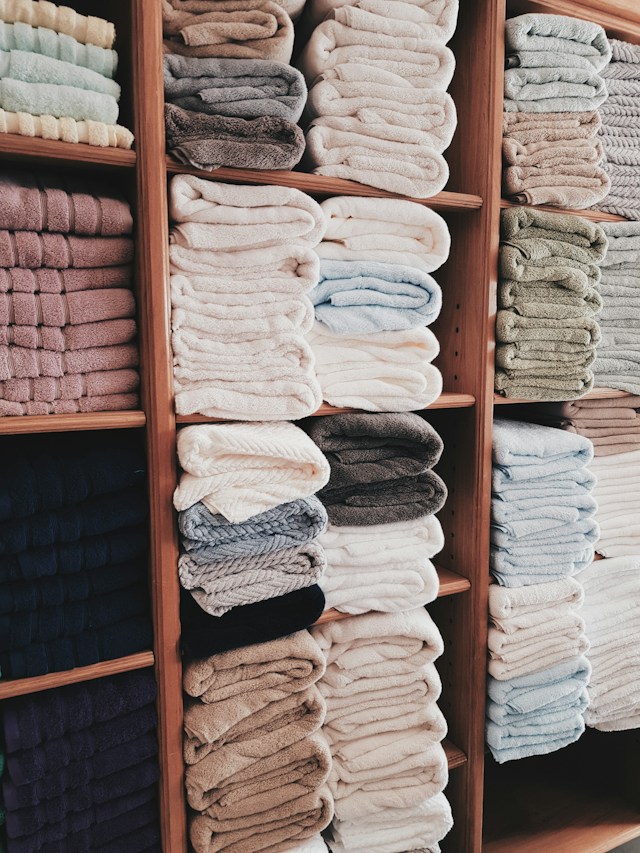
Quick answer: Bulk towel cleaning refers to the process of washing, drying, and maintaining large volumes of towels for businesses like gyms, spas, hotels, and salons. The most effective approach combines the right equipment (high-capacity washers and extractors), a consistent laundering schedule, proper detergent selection, and sometimes outsourcing to a commercial laundry service. Getting this right keeps towels soft, sanitary, and in steady supply without slowing down daily operations.
Towels might seem like a small detail in the grand scheme of running a business, but ask any gym owner, spa manager, or hotel operator, and they’ll tell you a different story. When towel supply runs low or quality drops, customers notice immediately. A scratchy, thin, or musty-smelling towel can undo the good impression created by an otherwise excellent service.
Managing bulk towel cleaning is one of those behind-the-scenes operational challenges that directly affects customer experience, staff efficiency, and your bottom line. Businesses that handle high laundry volumes face a unique set of pressures: tight turnaround times, wear and tear on fabric, rising utility costs, and the need to maintain hygiene standards, especially in health-focused industries like fitness centers and medical spas.
This guide breaks down what bulk towel cleaning actually involves, the common challenges businesses run into, and practical strategies for keeping your laundry operation running smoothly, whether you manage it in-house or outsource it to a commercial laundry provider.
What does bulk towel cleaning actually involve?
Bulk towel cleaning covers the full cycle of washing, drying, folding, and restocking large quantities of towels on a recurring basis. For a boutique gym, this might mean cycling through a few hundred towels a day. For a large hotel chain, it can mean processing tens of thousands of pounds of linen weekly.
The process typically includes:
- Sorting: Separating towels by color, fabric type, and soil level to prevent damage and cross-contamination.
- Pre-treatment: Addressing heavily soiled or stained towels before the main wash cycle.
- Washing: Using commercial-grade washers with settings calibrated for towel fabric, water temperature, and detergent load.
- Drying: Ensuring towels are fully dried to prevent mildew and odor, without overheating fibers to the point of damage.
- Folding and storage: Preparing towels for redistribution in a way that’s efficient and space-conscious.
Businesses that underestimate the complexity of this cycle often run into supply shortages, inconsistent quality, or unexpectedly high operating costs.
Why is bulk towel cleaning harder than it looks?
On the surface, washing towels seems straightforward. In practice, businesses with high laundry volumes face several compounding challenges.
Turnaround time pressure
A hotel with same-day linen requirements or a gym with continuous foot traffic can’t afford long gaps between wash cycles. If a business doesn’t have enough towels in rotation, or equipment breaks down mid-cycle, customer-facing service suffers almost immediately.
Fabric wear and replacement costs
Commercial towels are washed far more frequently than residential ones, sometimes multiple times per day. Repeated exposure to heat, harsh detergents, and mechanical agitation shortens their lifespan. Businesses that don’t use fabric-appropriate detergents or wash settings often end up replacing towels more frequently than necessary, adding unplanned costs.
Hygiene and compliance requirements
For gyms, spas, and healthcare-adjacent businesses, hygiene isn’t optional. Towels need to be cleaned to a standard that removes bacteria, sweat, and odor-causing residue. Some industries also have specific compliance requirements around laundering temperature and disinfection protocols.
Utility and labor costs
Water, electricity, and staff time all add up quickly when laundry volume increases. Businesses running in-house laundry operations often underestimate how much these costs scale with volume, especially during peak seasons.
In-house laundry vs. outsourcing: which is right for your business?
One of the biggest decisions a business faces is whether to manage towel cleaning internally or outsource it to a commercial laundry service. Neither option is universally better. The right choice depends on your volume, budget, and operational priorities.
Choose in-house laundry if:
- Your towel volume is moderate and manageable within existing staff capacity.
- You have space for commercial-grade washers and dryers.
- You want full control over cleaning schedules and product quality.
- Your business has variable or unpredictable laundry needs day to day.
In-house laundry gives businesses more flexibility, but it requires an upfront investment in equipment and ongoing attention to maintenance. Machines that aren’t properly maintained can break down under heavy use, creating exactly the kind of supply disruption businesses are trying to avoid.
Choose outsourcing if:
- Your laundry volume is high and consistent enough to justify a service contract.
- You want to eliminate the labor and utility costs associated with in-house washing.
- Your business lacks the physical space for large-scale laundry equipment.
- You need guaranteed turnaround times without managing the process yourself.
Outsourcing to a commercial laundry provider shifts the operational burden off your team. Many providers offer scheduled pickup and delivery, which can simplify inventory planning. The tradeoff is less direct control over the process and a recurring service cost that needs to be weighed against in-house expenses.
How can businesses keep towel quality consistent at scale?
Regardless of whether laundering happens in-house or through a vendor, a few best practices consistently improve towel quality and longevity.
Use the right water temperature
Hot water (typically above 140°F) is effective at killing bacteria and breaking down oils, but excessive heat over time can weaken cotton fibers. Businesses should calibrate wash temperatures based on soil level rather than defaulting to the highest setting for every load.
Choose detergents formulated for commercial use
Residential detergents aren’t built for the volume or soil levels businesses deal with. Commercial-grade detergents are formulated to work effectively at scale, often with additives that combat mineral buildup from hard water, which is a common cause of towel stiffness and reduced absorbency.
Avoid overloading machines
It’s tempting to maximize each wash cycle by packing in as many towels as possible. However, overloading reduces cleaning effectiveness and increases mechanical wear on both the towels and the machine. Following manufacturer load capacity guidelines helps maintain both fabric quality and equipment lifespan.
Rotate towel stock
Introducing new towels into rotation gradually, rather than replacing the entire stock at once, helps maintain a consistent look and feel across your inventory while extending the useful life of existing stock.
Schedule regular equipment maintenance
For businesses running in-house laundry, unplanned equipment downtime is one of the most disruptive events possible. Routine maintenance, checking hoses, seals, and filters, catches small issues before they become costly repairs or full breakdowns.
What does a well-managed bulk laundry system look like day to day?
A well-run system doesn’t just clean towels. It anticipates demand. This typically involves:
- Forecasting demand: Using historical usage data to predict how many towels are needed on peak days versus slower periods.
- Buffer stock: Keeping a reserve of clean towels on hand to absorb unexpected demand spikes or equipment issues.
- Clear staff protocols: Training staff on sorting, folding, and storage procedures so quality stays consistent regardless of who’s handling the laundry that day.
- Vendor accountability: For businesses outsourcing laundry, setting clear expectations around turnaround time, quality standards, and communication if something goes wrong.
Businesses that treat towel management as a proactive system, rather than a reactive scramble, tend to avoid the service disruptions that frustrate both staff and customers.
Keep the towels running so your business can too
Bulk towel cleaning isn’t glamorous, but it’s a foundational part of operations for any business that depends on a steady, high-quality towel supply. The businesses that get it right treat laundry management as a system worth investing in, not an afterthought to handle when something goes wrong.
Whether you decide to manage laundry in-house or partner with a commercial provider, the goal stays the same: consistent quality, reliable turnaround, and a process that scales with your business rather than holding it back.
If you’re currently managing laundry in-house and finding it difficult to keep pace with demand, it may be worth evaluating whether a commercial laundry services partner could free up staff time and reduce operational strain. On the other hand, if you’re already outsourcing but experiencing inconsistent quality, it’s worth revisiting your vendor’s processes and service agreements to make sure they align with your business needs.
Frequently asked questions
How often should commercial towels be washed?
Commercial towels used in gyms, spas, and salons are typically washed after every single use to meet hygiene expectations. Hotels often follow a similar standard for guest-facing towels, washing them between each guest stay.
How much does bulk towel laundering typically cost?
Costs vary widely based on volume, location, and whether laundry is handled in-house or outsourced. In-house costs include equipment, water, electricity, detergent, and labor. Outsourced services usually charge per pound of laundry or through a flat-rate service contract, which can simplify budgeting for high-volume businesses.
What’s the biggest risk of not managing bulk towel cleaning properly?
The most immediate risk is running out of clean towel supply during peak business hours, which directly affects customer experience. Longer term, improper laundering practices can accelerate fabric wear, increase replacement costs, and, in health-focused industries, create hygiene compliance issues.
Is outsourcing towel laundering more cost-effective than doing it in-house?
It depends on volume. Smaller businesses with moderate laundry needs often find in-house washing more economical, while businesses with high, consistent volume frequently save money and staff time by outsourcing to a commercial laundry service.
Can the wrong detergent damage commercial towels?
Yes. Harsh detergents, especially those with high bleach content or improper pH balance, can weaken cotton fibers over time, leading to thinning, reduced absorbency, and a rougher texture. Using detergents formulated for commercial fabric care helps extend towel lifespan.