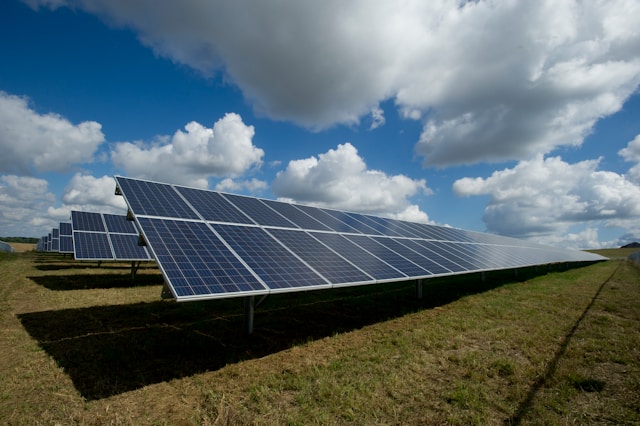
Quick answer: High-performing solar installations share three common traits: meticulous pre-installation site assessments, the use of Tier 1 monocrystalline panels paired with advanced microinverters, and seamless execution of local permitting. Top solar panel contractors always prioritize custom system designs over one-size-fits-all approaches to maximize your long-term energy output and financial return.
Switching to solar energy represents a significant financial and environmental commitment for any property owner. Many homeowners assume that all solar installations yield the same results as long as the panels face the sun. The reality reveals a wide gap between a standard solar setup and a high-performing energy system.
The secret to maximizing your solar investment rarely lies in the panels alone. The expertise, methodology, and precision of the solar panel contractors you hire dictate the efficiency and longevity of the entire system. A subpar installation can lead to roof leaks, persistent electrical issues, and a severe drop in anticipated energy production.
Understanding the hallmarks of an exceptional solar installation empowers you to ask the right questions during the bidding process. This comprehensive guide details exactly what elite solar panel contractors do differently to ensure your system operates at peak capacity for decades.
What defines a high-performing solar panel installation?
A high-performing solar installation consistently meets or exceeds its projected energy output over its 25-to-30-year lifespan. This performance requires perfect alignment between the property’s physical characteristics, the homeowner’s energy consumption habits, and the hardware utilized.
An elite solar panel contractor does not guess. They rely on complex data modeling to predict exact energy yields. A truly optimized system accounts for historical weather patterns, specific roof pitch, and even the anticipated degradation rate of the panels over time. When these factors align perfectly, the solar array operates at maximum efficiency, generating the highest possible return on investment.
How do the best solar panel contractors evaluate your roof?
The foundation of any successful solar project begins long before anyone climbs onto your roof. Top-tier contractors conduct exhaustive site audits to ensure your property can safely and effectively support a solar array.
Why is a structural roof analysis necessary for solar?
Solar panels and their mounting hardware add significant weight to your roof structure. Professional solar contractors always send a structural engineer or a highly trained site surveyor to assess the integrity of your rafters and trusses. If your roof is approaching the end of its lifespan, a reputable contractor will advise replacing the shingles before installing the solar array. Installing panels on a deteriorating roof guarantees expensive removal and reinstallation fees within a few years.
How do contractors measure solar irradiance and shading?
High-performing installations rely on precise shading analysis. Trees grow, and neighboring buildings cast shadows that shift throughout the year. Expert installers use advanced software tools like LiDAR and 3D modeling to simulate the sun’s path across your specific roof for all 365 days of the year. This data allows the contractor to place panels exactly where they will capture the maximum amount of solar irradiance, avoiding dead zones that would otherwise drag down the system’s overall performance.
Which solar equipment brands do top contractors recommend?
The hardware chosen for your solar project directly dictates how much electricity your home will produce. High-quality contractors never compromise on the core components of your system.
Why do experts prefer Tier 1 monocrystalline solar panels?
Solar panels are generally categorized by their manufacturing quality and efficiency. Elite contractors exclusively use Tier 1 monocrystalline solar panels. These panels are manufactured from a single, continuous crystal structure, allowing electrons more room to flow and generating a higher efficiency rate. Choose monocrystalline panels if maximizing energy production in a limited roof space matters more than minimizing upfront hardware costs.
What is the difference between string inverters and microinverters?
Inverters convert the direct current (DC) electricity generated by your panels into the alternating current (AC) electricity used by your home appliances. Standard contractors often use a single central string inverter to handle the whole roof. If one panel falls under a shadow, the output of the entire string drops to match that lowest-performing panel.
Top contractors frequently recommend microinverters or DC power optimizers attached to each individual panel. Choose microinverters if your roof experiences partial shading from trees or chimneys throughout the day. This setup ensures that a shadow on one panel does not compromise the energy production of the rest of the array.
How do expert contractors handle solar permitting and paperwork?
The administrative side of a solar installation often causes the longest delays. High-performing solar companies maintain dedicated teams solely focused on navigating local regulations.
What are the standard solar permitting requirements?
Every municipality enforces specific building and electrical codes for solar installations. Furthermore, your local utility company must approve the interconnection agreement before you can turn the system on. Top contractors have deep relationships with local permitting offices. They submit flawless electrical line diagrams and structural plans the first time, preventing months of bureaucratic delays.
How do contractors manage solar incentives and tax credits?
Navigating federal, state, and local solar incentives requires specialized knowledge. A premium solar contractor provides comprehensive documentation to help you claim the federal solar investment tax credit (ITC) and local rebates. They understand exactly which forms need to be filed and supply the itemized receipts necessary to ensure you receive your maximum financial benefit.
What role does post-installation solar monitoring play?
A successful installation does not end when the contractor drives away. High-performing systems are actively monitored to ensure they continue generating power as promised.
Why is panel-level monitoring essential for solar systems?
The best solar panel contractors install software that tracks the energy production of every single panel in real-time. If a squirrel chews through a wire or a microinverter fails, panel-level monitoring immediately flags the specific location of the problem. This prevents you from going months without realizing your system is underperforming.
What solar warranties do top contractors offer?
A contractor’s warranty serves as proof of their confidence in their own workmanship. Standard installers might offer a 5-year workmanship warranty. In contrast, elite solar panel contractors offer comprehensive 25-year warranties that cover the physical panels, the inverters, and the roof penetrations. Many top-tier companies also provide a production guarantee, promising to reimburse you if the system generates less electricity than originally quoted.
How to identify exceptional workmanship during solar installation
The physical installation process separates the professionals from the amateurs. Attention to detail ensures your roof remains waterproof and your electrical system functions safely.
How do professionals waterproof solar roof penetrations?
Mounting solar panels requires drilling holes into your roof. Expert solar contractors utilize specialized flashing systems—metal barriers that slide under your existing shingles and seal the penetration point with industrial-grade polyurethane caulking. This meticulous waterproofing prevents moisture intrusion, ensuring your roof remains entirely leak-free for decades.
Why does solar conduit routing matter?
The wires connecting your solar panels to your electrical panel (known as the conduit) must be routed safely and aesthetically. Low-quality contractors often run ugly metal pipes haphazardly across the exterior of the roof. High-performing contractors take the extra time to route the conduit through the attic space whenever possible. This protects the wiring from harsh weather conditions and preserves the curb appeal of your home.
Secure your energy future with the right professionals
Achieving a high-performing solar installation requires a contractor who refuses to cut corners. By insisting on rigorous site assessments, premium hardware, meticulous waterproofing, and robust post-installation monitoring, you protect your investment and secure decades of clean energy. Do not settle for the lowest bidder. Instead, prioritize solar panel contractors who demonstrate transparency, technical expertise, and a proven track record of successful, high-yielding installations.
Frequently asked questions about solar panel contractors
What questions should I ask a solar panel contractor before hiring them?
You should ask a solar panel contractor if they are NABCEP-certified, whether they use subcontractors for the physical installation, and what specific warranties they offer for both equipment and workmanship. Request to see case studies or speak with previous customers in your immediate area to verify their track record.
How long does a typical residential solar panel installation take?
The physical installation of residential solar panels typically takes one to three days, depending on the size of the system and the complexity of the roof. However, the entire process—including site assessment, system design, permitting, and utility interconnection—usually takes between two and four months to complete.
Why are some solar contractor quotes much cheaper than others?
Cheap solar quotes usually indicate that the contractor is using outdated polycrystalline panels, central string inverters instead of microinverters, or inexperienced subcontracted labor. Exceptionally low bids often lack comprehensive 25-year workmanship warranties or production guarantees, leaving you financially responsible if the system fails or underperforms.
How do I know if my roof is suitable for solar panels?
A roof is generally suitable for solar panels if it is in good structural condition, faces south, east, or west, and receives minimal shading from trees or nearby buildings between 9:00 AM and 3:00 PM. A professional solar panel contractor will perform a comprehensive site audit to confirm your roof’s viability before designing the system.
What is a solar production guarantee?
A solar production guarantee is a contractual promise made by a solar panel contractor that your system will generate a specific amount of electricity over a set period (usually 10 to 25 years). If the system produces less energy than promised, the contractor will reimburse you for the shortfall or install additional panels at no extra cost.