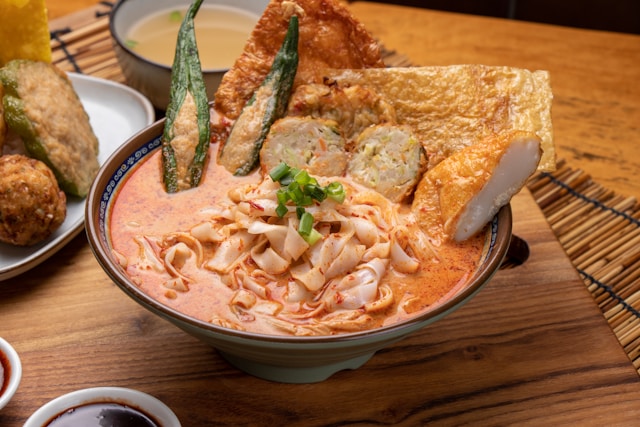
Walking through the vibrant streets of Singapore, your senses are constantly greeted by the sizzling sounds of woks and the rich, complex aromas of garlic, soy, and roasted spices. You might notice large groups of people gathered around plastic tables, sharing an array of colorful, steaming dishes under the hum of fluorescent lights. This communal dining experience is a cultural cornerstone known as Tze Char.
For travelers and food enthusiasts, understanding this local dining style is absolutely essential to experiencing the true culinary heart of the city. Tze Char offers a window into the everyday lives of Singaporeans, blending diverse culinary influences into a uniquely local phenomenon. You will find these stalls tucked away in neighborhood coffee shops (kopitiams) and open-air food centers across the island.
This guide provides everything you need to navigate your first Tze Char experience. You will learn about the history of this dining style, the iconic dishes you must order, and the unspoken rules of local etiquette. By the end of this read, you will be ready to pull up a plastic chair, grab a pair of chopsticks, and order a feast with total confidence.
What Exactly is Tze Char?
Tze Char, often spelled Zi Char, translates directly from the Hokkien dialect as “cook and fry.” It refers to a specific type of Chinese food stall that serves a wide variety of affordable, restaurant-quality dishes in a casual, open-air setting.
The Origins and Meaning
Historically, these stalls were set up by early Chinese immigrants who wanted to recreate the comforting flavors of their hometowns. Over the decades, the cuisine evolved. Cooks began incorporating local Southeast Asian ingredients like chili, belacan (shrimp paste), and lemongrass, resulting in a distinct flavor profile that is completely unique to Singapore and neighboring Malaysia. Today, Tze Char represents a beautiful fusion of traditional Chinese cooking techniques and bold local spices.
The Atmosphere of a Classic Tze Char Stall
Forget fine dining, white tablecloths, and soft background music. Tze Char Singapore is all about energy, efficiency, and unapologetic flavor. The setting is usually a bustling neighborhood coffee shop. You will hear the intense roar of high-pressure gas stoves and the rhythmic clanging of metal spatulas against seasoned carbon steel woks.
The air is thick with “wok hei”—the breath of the wok. This concept refers to the complex, smoky flavor imparted to food when cooked over extreme heat. Achieving wok hei is a mark of a skilled chef, and it is the defining characteristic of a truly excellent meal. The tables are often simple, the chairs are usually plastic, and the service is brisk. You are there for the food, the company, and the vibrant local atmosphere.
Must-Try Tze Char Dishes in Singapore
The menu at a typical stall can be incredibly extensive, often featuring dozens of items categorized by cooking method and main ingredient. To help you narrow down your choices, here are the quintessential dishes you should order on your first visit.
Signature Crab Dishes
Seafood is a major highlight, and crab is the undisputed king of the table. You will usually find two legendary preparations. Chilli Crab features large mud crabs stir-fried in a thick, sweet, and savory tomato-chili sauce. The sauce is so highly regarded that diners always order a side of deep-fried mantou (steamed buns) to soak up every last drop. Alternatively, Black Pepper Crab offers a sharper, more intensely savory experience. The crabs are coated in a sticky, fragrant black pepper sauce that leaves a lingering heat on the palate.
Har Cheong Gai (Shrimp Paste Fried Chicken)
This is not your average fried chicken. Har Cheong Gai is marinated in fermented shrimp paste, sugar, and a blend of spices before being coated in a light batter and deep-fried to perfection. The shrimp paste imparts a deep, funky umami flavor that penetrates right to the bone. The exterior remains shatteringly crisp, while the meat inside stays incredibly juicy. It is a crowd-pleaser and a staple on almost every table.
Hotplate Tofu
A visual and auditory treat, Hotplate Tofu arrives at the table sizzling loudly on a cast-iron skillet. The dish typically consists of silken egg tofu that has been lightly fried, topped with a savory gravy containing minced pork, prawns, and mixed vegetables. A raw egg is often cracked onto the scorching hotplate just before serving, cooking rapidly in the residual heat. The contrasting textures of the soft tofu, the rich gravy, and the slightly crispy egg make this a deeply comforting dish.
Sweet and Sour Pork (Ku Lou Yuk)
While you might be familiar with sweet and sour pork from Westernized Chinese takeout, the authentic Tze Char version elevates the concept entirely. Bite-sized pieces of pork are deep-fried until crunchy, then quickly tossed in a wok with a vibrant sauce made from plum sauce, vinegar, and sugar. The dish includes chunks of bell pepper, onions, and pineapple, providing a refreshing tartness that cuts through the richness of the fried meat.
Cereal Prawns
This uniquely Singaporean invention showcases the local love for combining sweet and savory flavors. Large, whole prawns are deep-fried until the shells are crispy enough to eat, then tossed in a wok with butter, curry leaves, bird’s eye chilies, and toasted Nestum cereal. The cereal clings to the prawns, creating a sweet, milky, and slightly spicy coating that is highly addictive.
Moonlight Hor Fun
Noodle dishes are a vital component of the menu, and Moonlight Hor Fun stands out as a masterpiece. Wide, flat rice noodles (hor fun) are stir-fried over high heat with dark soy sauce, seafood, and slices of pork. The dish gets its name from the raw egg yolk placed gently in the center of the dark noodles, resembling a full moon glowing in the night sky. Diners break the yolk and mix it into the hot noodles, creating a luxurious, creamy sauce that coats every strand.
How to Order Like a Local
Navigating the ordering process can feel intimidating for newcomers. Menus are sometimes printed only in Chinese characters, or they might lack descriptions. However, keeping a few fundamental strategies in mind will ensure a smooth and enjoyable meal.
Group Dining is Essential
Tze Char is inherently designed for sharing. Portions are large, and the goal is to sample a wide variety of flavors. Plan to visit with a group of at least three to four people. This allows you to order a balanced mix of meat, seafood, vegetables, and carbohydrates without feeling overwhelmed.
Balancing the Menu
A well-ordered meal requires harmony. Locals typically follow a general formula to ensure a balanced feast. You should aim to order one meat dish, one seafood dish, one vegetable dish, and a carbohydrate base like steamed white rice or a shared noodle dish. For example, pairing the heavy, rich Chilli Crab with a light, garlicky stir-fried water spinach (kang kong) provides a necessary contrast in both flavor and texture.
The Beverage Pairings
The intense heat and bold flavors of the food call for refreshing beverages. Most stalls operate within larger coffee shops that feature a separate drink counter. Local favorites include freshly brewed iced lemon tea, sugarcane juice, or a cold glass of Tiger Beer. A frosty beer is particularly effective at cutting through the richness of deep-fried items like Har Cheong Gai.
Top Etiquette Tips for Your First Visit
Understanding the local dining etiquette will help you blend in and navigate the bustling environment with ease.
Reserving a Table (Chope Culture)
In busy food centers, securing a table during peak hours is a competitive sport. Singaporeans use a system called “choping” to reserve their seats. You will often see packets of tissue paper, umbrellas, or water bottles resting on empty tables. This signifies that the table is taken, even if the diners are away ordering food. Respect this system. If you see a tissue packet on a table, keep looking for another spot. Once you find an empty table, claim it with your own inexpensive item before heading to the stall to order.
Utensils and Condiments
When you sit down, you will usually find a small container of cutlery on the table, along with tiny saucers. It is customary to prepare your own dipping sauces while waiting for the food. The classic Tze Char condiment is a mix of fiery cut bird’s eye chilies and light soy sauce. This simple dipping sauce provides an extra punch of salinity and heat that complements almost every dish on the menu.
Payment Methods
While Singapore is a highly digital society, many traditional food stalls still prefer cash transactions. It is wise to carry smaller denominations to make the payment process seamless. Some modernized stalls now accept local digital payment methods like PayNow or GrabPay, but having cash on hand ensures you will never run into payment issues at an older, more traditional establishment.
Frequently Asked Questions (FAQ)
Is Tze Char expensive?
Compared to formal restaurants, Tze Char is incredibly budget-friendly. A hearty meal for four people, including several meat and vegetable dishes, typically costs between $40 to $80 SGD total. However, the price will increase significantly if you order premium seafood items like live mud crabs or whole fish, which are usually charged by market weight.
Do I need to tip?
Tipping is not a standard practice in Singapore’s casual food centers. The prices listed on the menu are exactly what you pay. Good service is appreciated with a polite thank you rather than a monetary tip.
Are Tze Char stalls open for lunch?
While a few stalls operate during lunch hours, Tze Char is primarily a dinner and late-night supper activity. The stalls usually begin firing up their woks around 5:00 PM and stay open well past midnight. The cooler evening temperatures make eating hot, spicy food in an open-air environment much more comfortable.
Can I ask for less spicy food?
Absolutely. The chefs are highly adaptable. If you have a lower tolerance for heat, simply request your dishes to be cooked “less spicy” (xiao la). They will adjust the amount of chili used without compromising the core flavors of the dish.
Your Next Culinary Adventure Awaits
Diving into the local food scene is the most rewarding way to experience Singapore’s rich cultural tapestry. Tze Char is the ultimate expression of communal joy, culinary skill, and unapologetic flavor. It strips away the formalities of dining out and focuses entirely on the quality of the food and the company you share it with.
Armed with this knowledge, you are entirely prepared to step away from the tourist traps and into the bustling, wok-scented world of authentic neighborhood dining. Gather your friends, secure your table with a tissue packet, and get ready to enjoy one of the most memorable meals of your life.